
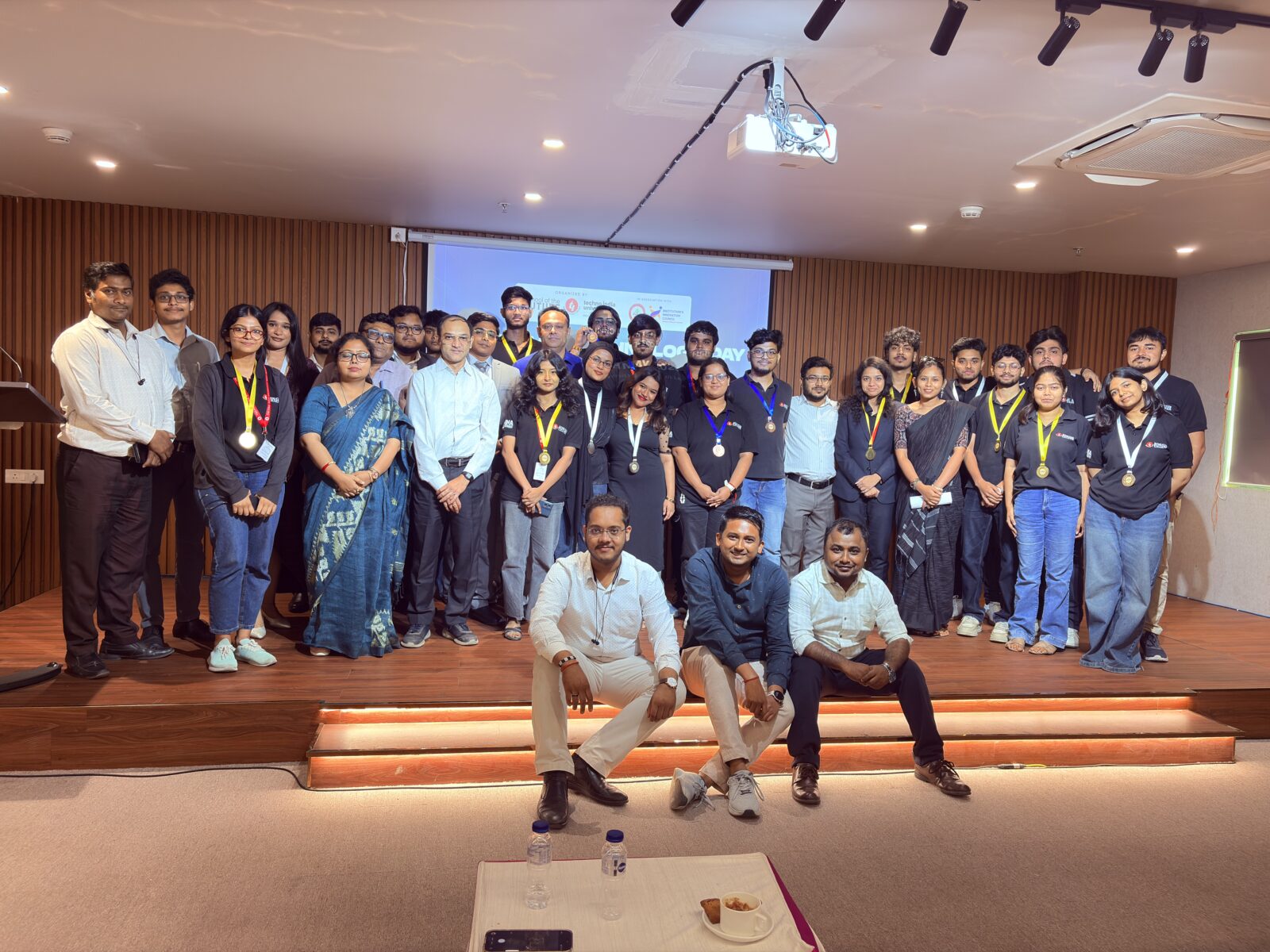
There are events that happen, and then there are events that mean something. The National Technology Day celebration held on 11th May 2026 at Techno India University, was firmly in the second category.
Organized by the School of the Future under Techno India University, in association with IQAC and the Institution’s Innovation Council, the day brought together researchers, industry leaders, entrepreneurs, and students under one theme – “AI for Sustainable Development in the New Era.” From 10 AM to 5 PM on the 11th floor of Phase III building, something genuinely exciting was unfolding.
The Voices That Set the Tone
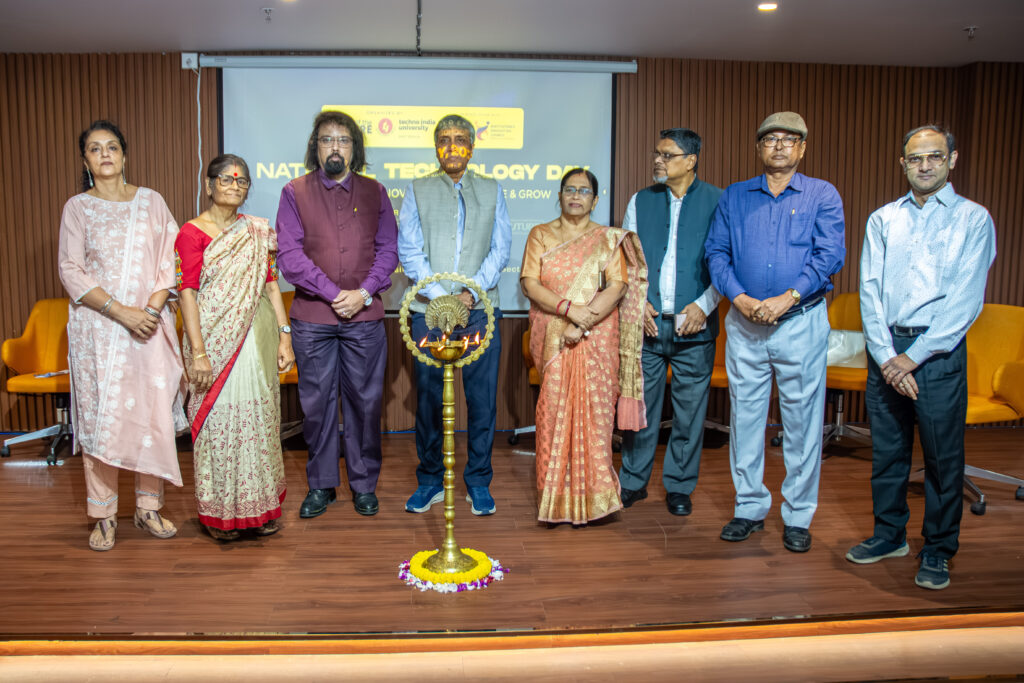
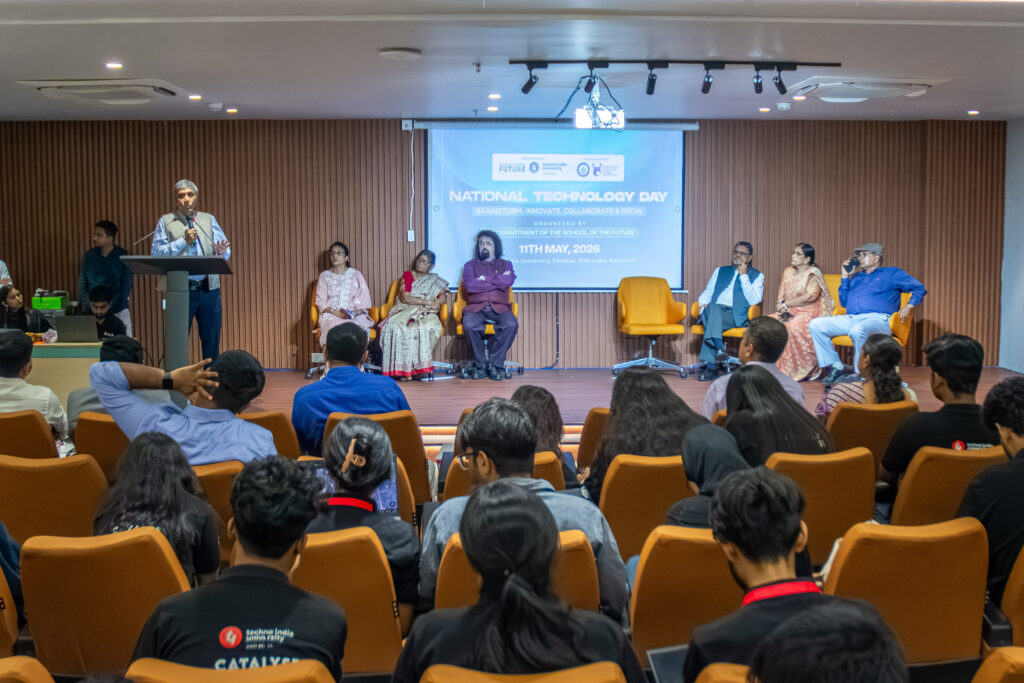
Dr. Jyoti Sekhar Banerjee, Head of the Department of Computer Science & Engineering (AI & ML) at BIT, brought the kind of academic rigour that grounds a conversation like this. When someone who spends their days working at the intersection of AI and machine learning speaks about sustainable development, it isn’t abstract — it’s a roadmap.
Dr. Arpita Sen, Head of Content Strategy at TCS Accessibility Research, shifted the lens to something often overlooked in tech conversations: who is this technology actually for? Her presence reminded the room that AI built without accessibility in mind isn’t really built for everyone – and in the new era, that simply isn’t good enough.
Souvik Das, Regional Head of Academic Alliances (India-East) at TCS, brought the industry perspective with a particular relevance to the audience. As someone who sits at the bridge between corporate technology and academic institutions, his insights on how students and industries need to grow together felt timely and personal.
The Panel That Got Real
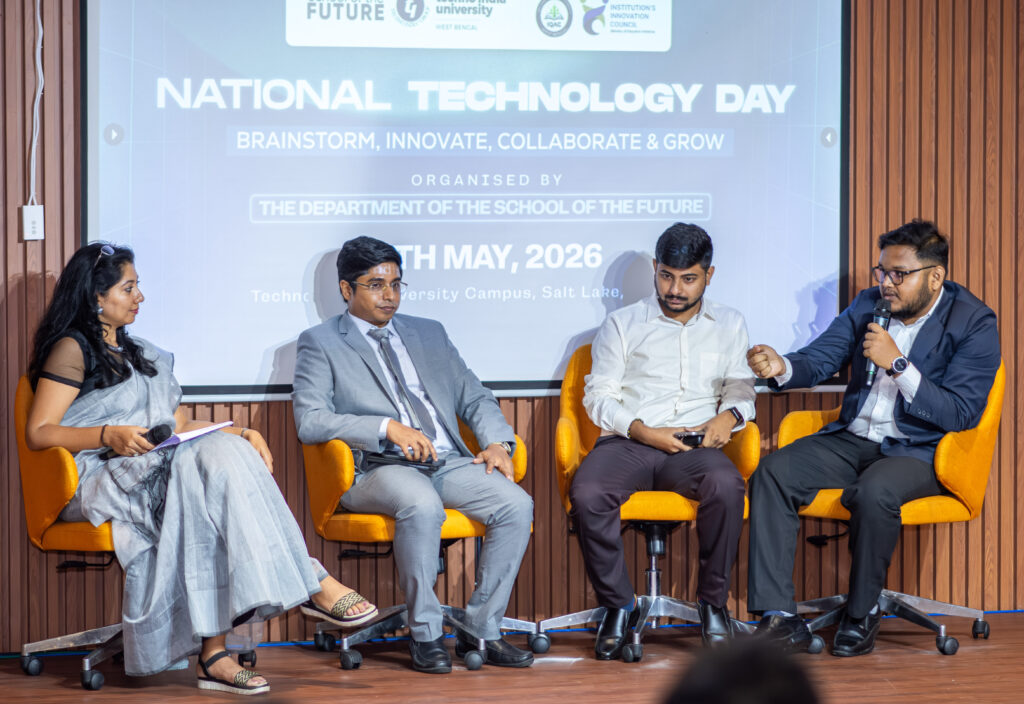
If the speakers set the intellectual framework, the panelists brought the lived experience – the kind that only comes from actually building things.
Quazi Tarique Ally, GMD of Aerorotors Aircrafts Research & Development Pvt Ltd, carried a perspective that few in the room could match – the intersection of aerospace engineering and sustainable technology. In an era where drones and autonomous systems are increasingly central to everything from agriculture to disaster response, his voice in the room felt essential.
Wribhu Chakraborty, entrepreneur, AI specialist, and CEO of Jeenee Pvt. Ltd., spoke from the front lines of building an AI venture in India. There’s a particular honesty that comes from someone who has moved from idea to product to company – the challenges, the pivots, the moments of doubt. Wribhu brought that to the table, and the students in the audience were paying close attention.
Abhranil Majumder, CTO of Jeenee Private Limited, cybersecurity consultant, writer, and tech innovator, rounded out the panel with a breadth that’s rare. Cybersecurity is often the conversation technology forgets to have until something goes wrong , having Abhranil in the room ensured it wasn’t forgotten here. His multidisciplinary perspective, spanning technology leadership, security, and communication, gave the discussions a depth that went well beyond the expected.
Together, the panel didn’t deliver prepared statements – they had a conversation, and the audience was invited into it.
Where the Students Stole the Show
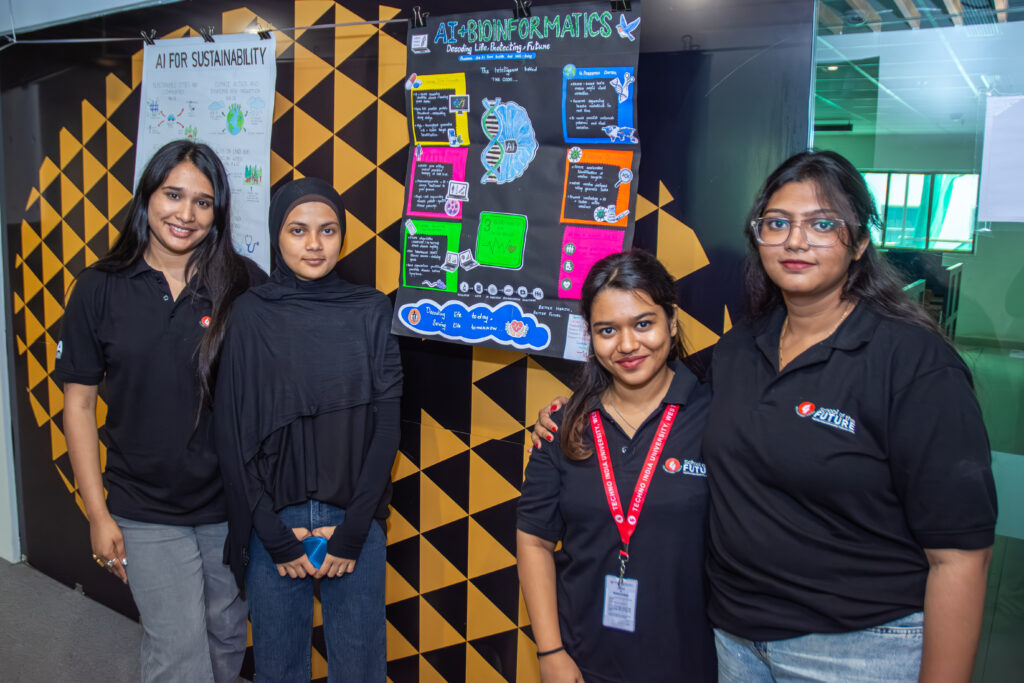
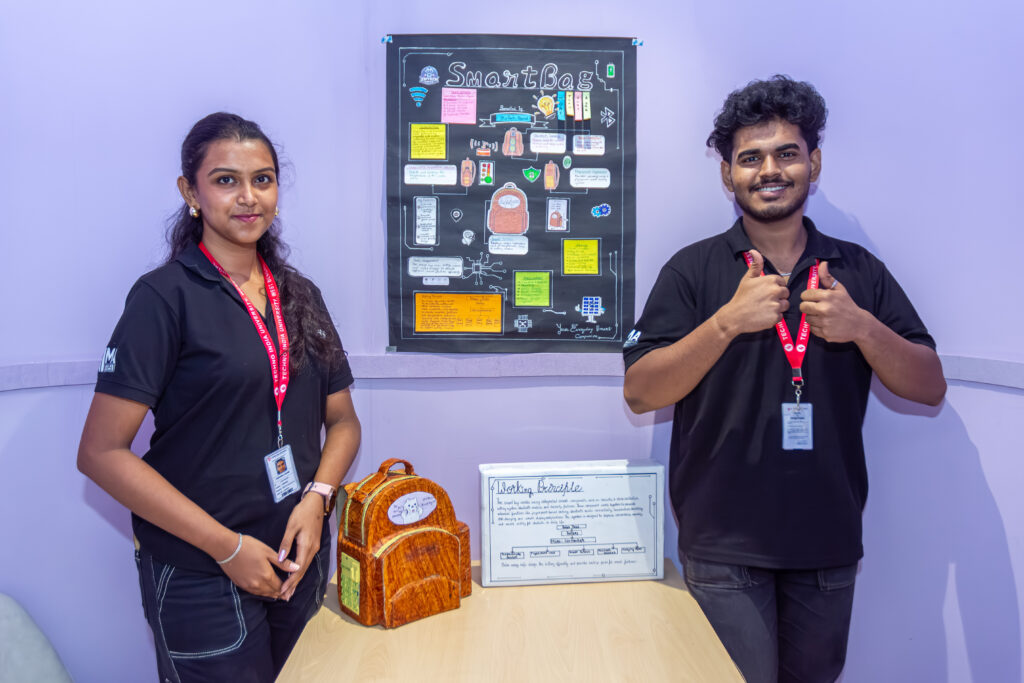
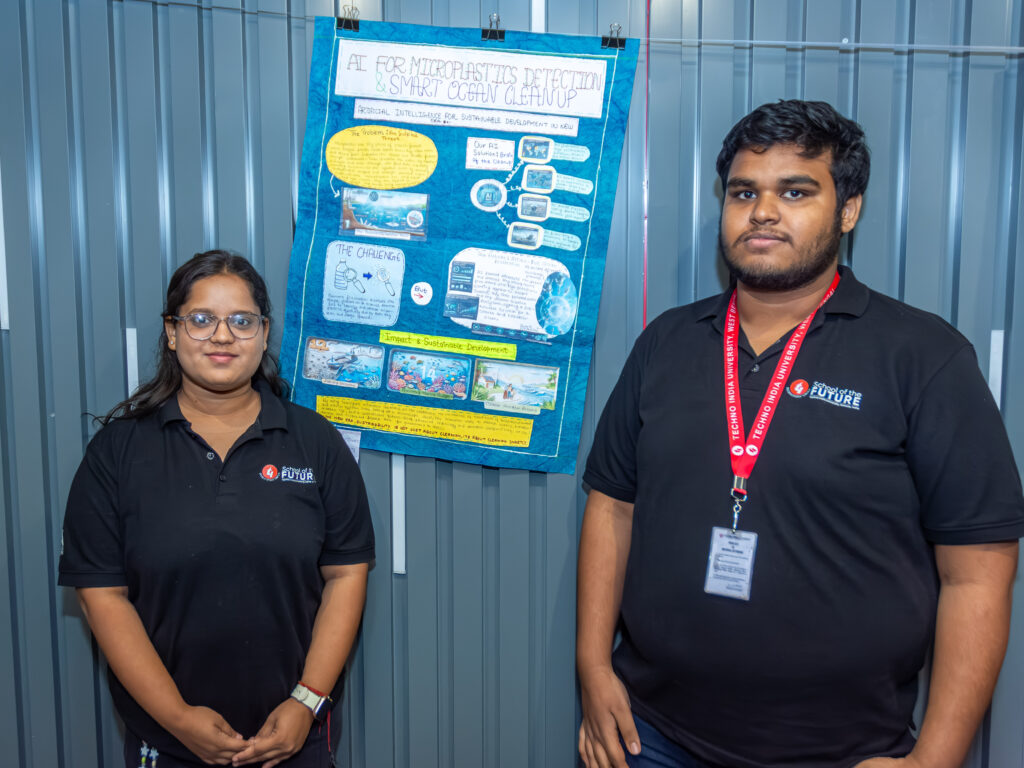
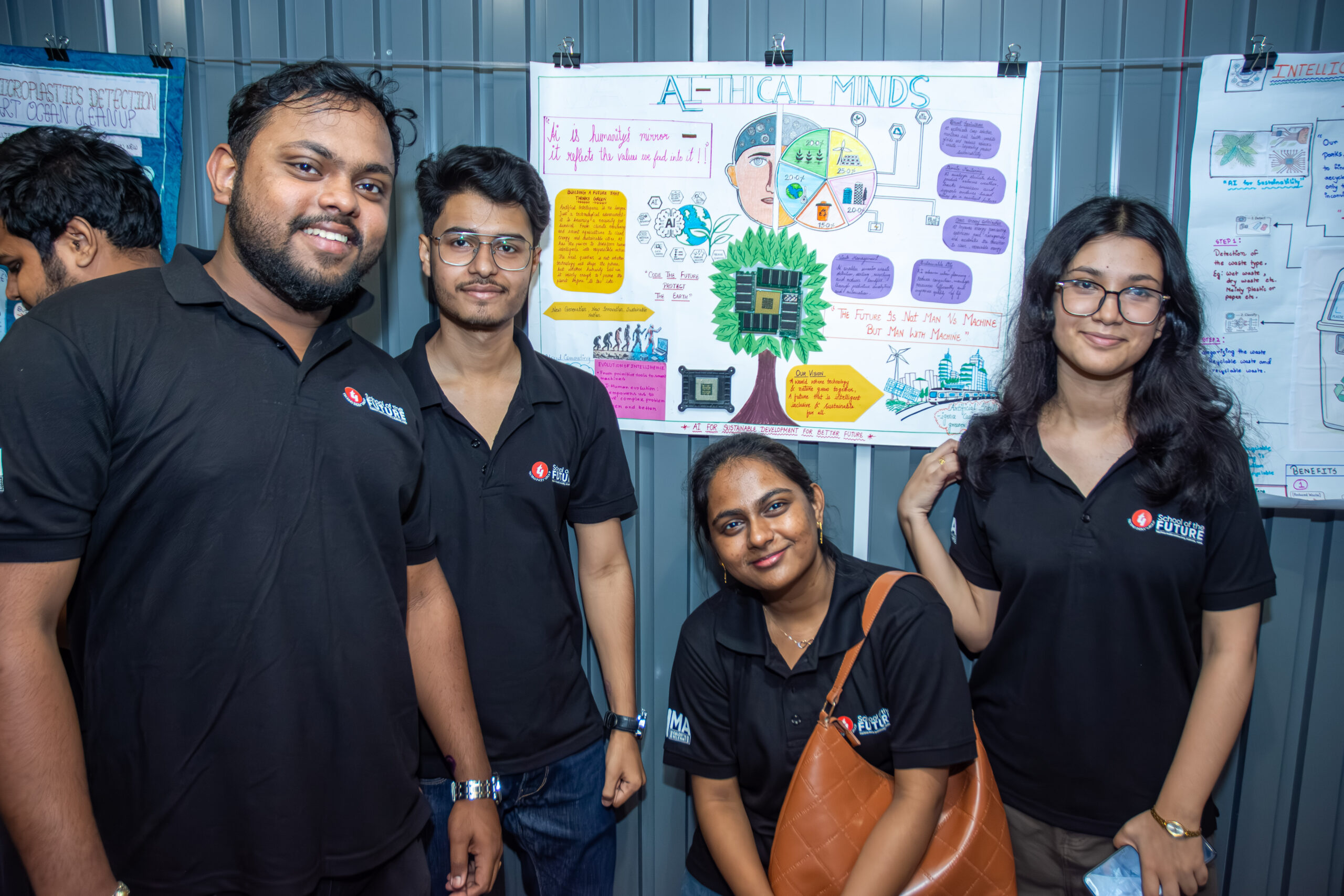
But if the speakers and panelists set the stage, it was the student prototypes that brought the house down.
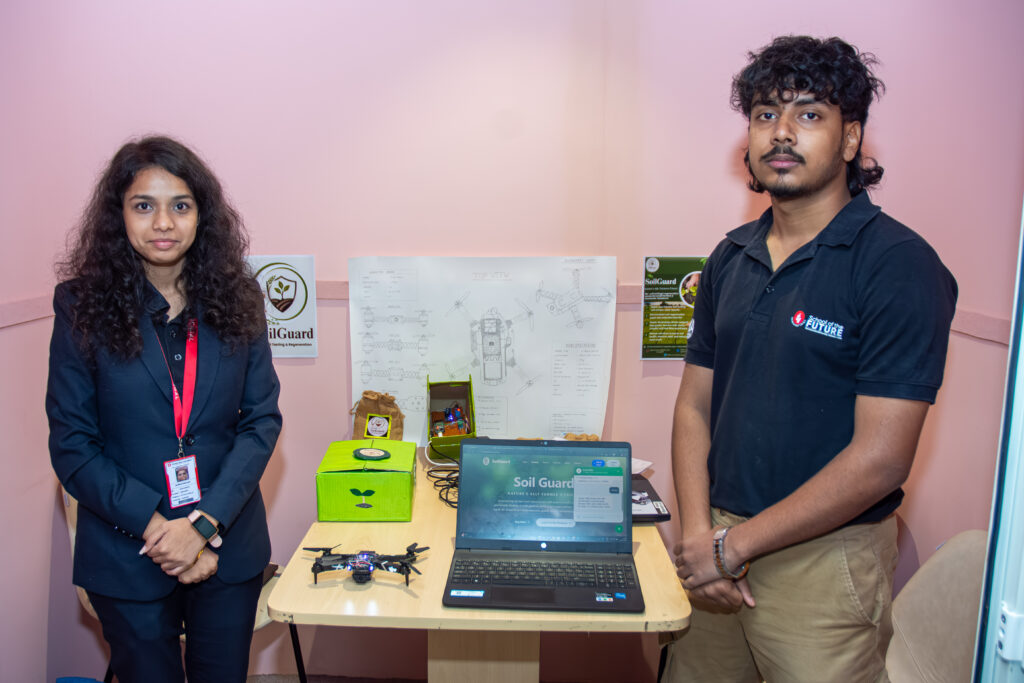
First Place — SoilGuard (Team: Sankhacheta Pain, Mriganka Bhowmick, Rajdeep Chowdhury, Sneha Kumari Gupta)
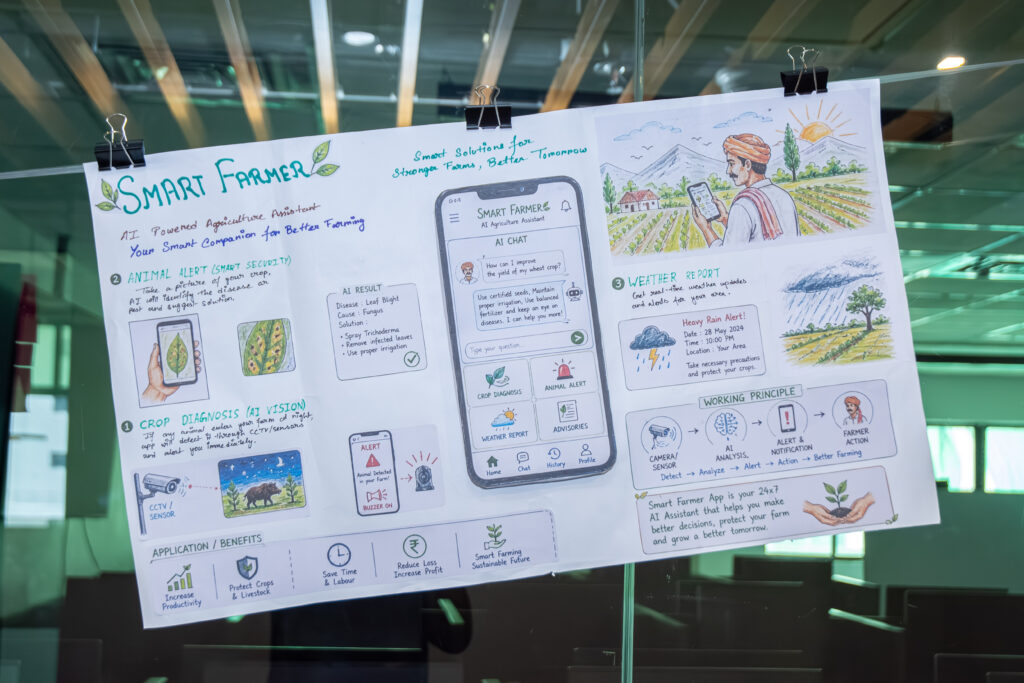
Agriculture is one of the most data-starved industries in the world, and SoilGuard is trying to change that. This smart farming system combines drones, soil sensors, and AI to monitor crop and soil health in real time giving farmers the kind of early warning system that could save an entire harvest.
What makes SoilGuard stand out isn’t just the technology. The team paired their digital solution with physical organic inputs, vermicompost, hoof and horn meal, and NPK products — creating a system that bridges high-tech monitoring with ground-level, hands-in-the-soil farming. It’s the kind of thinking that wins competitions, but more importantly, it’s the kind of thinking that might actually reach a farmer in rural India.
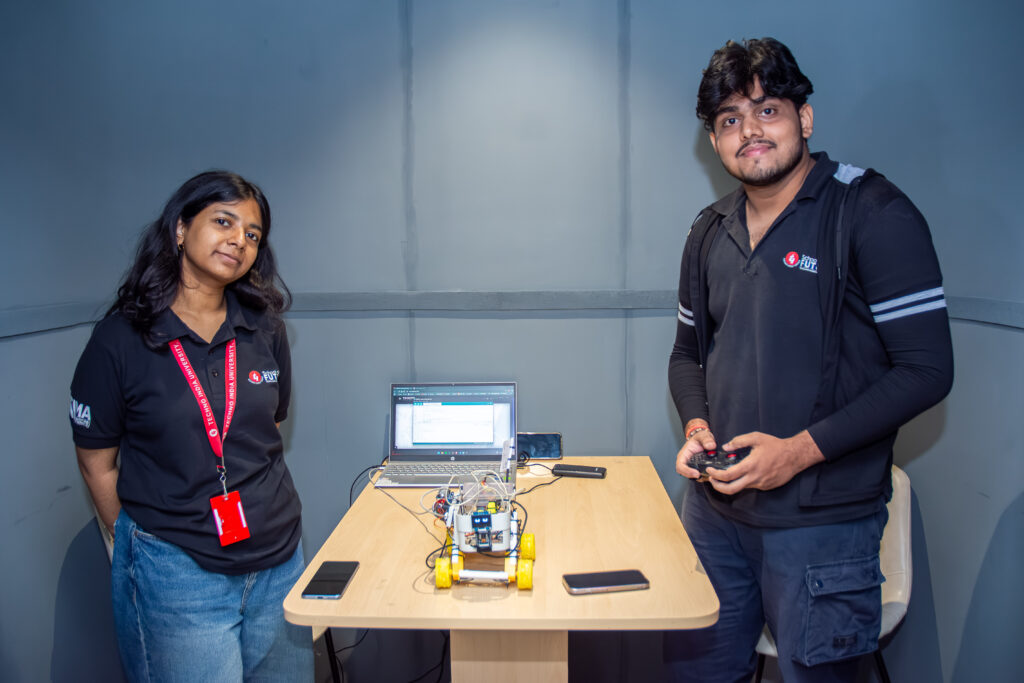
Second Place — TRINETRA (Team: Hrishikesh Jha, Nirmalya Sarkar, Rohit Ghosh, Swastika Mandal — “The Last Brain Cell”)
The team name is cheeky. The project is anything but.
TRINETRA is a fully offline, multi-sensor autonomous rover built to go where humans shouldn’t – toxic environments, disaster zones, collapsed mines, military reconnaissance terrain. Running on a Raspberry Pi with an ESP32-CAM live video system and an array of gas sensors (MQ4, MQ7, MQ135) alongside a DHT22 environmental module, the rover rides on a 6-wheel rugged platform and streams real-time telemetry to a monitoring dashboard.
What’s remarkable here is the philosophy. In a world where robotics projects often end up as expensive, fragile showpieces, TRINETRA is deliberately low-power, modular, and scalable. It doesn’t need the cloud. It doesn’t need connectivity. It just works and that’s exactly what you need when the building is on fire or the mine has caved in. The team’s roadmap – thermal vision, LiDAR mapping, swarm robotics, edge AI – suggests this is only the beginning.
Third Place — Innovatrix (Team: Rupanjan Roy, Sahil Kundu, Himanish Chatterjee)
Sustainability is a word that gets thrown around a lot. Innovatrix is trying to actually measure it.
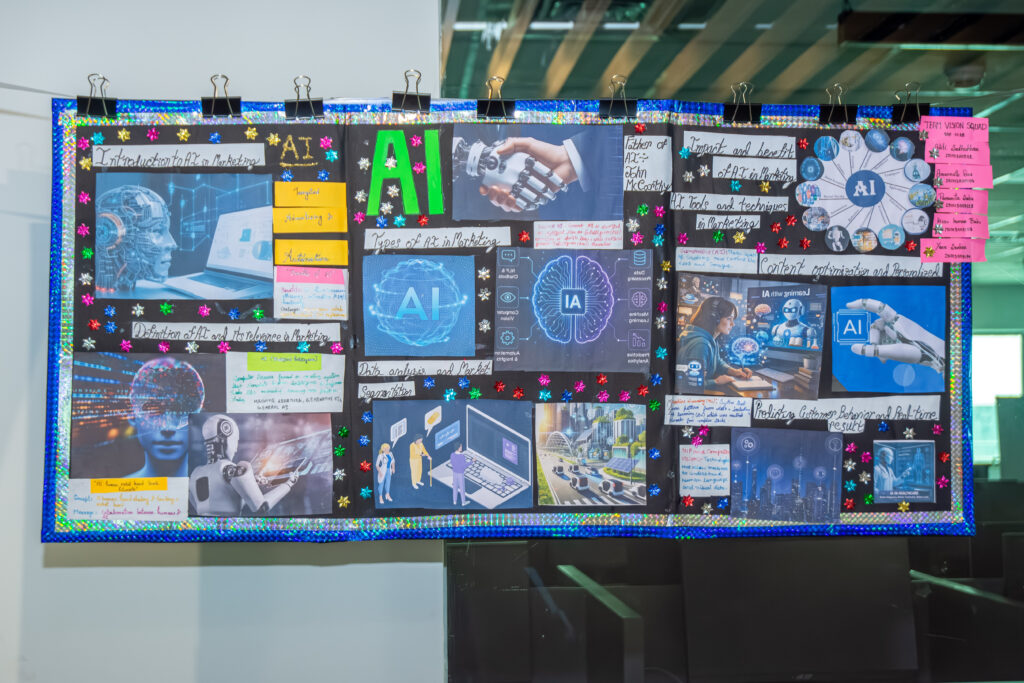
Their AI-based sustainability monitoring system analyses live feed data to detect carbon impact and generate real-time sustainability scores. Using environmental algorithms, it evaluates conditions on the ground and translates them into actionable, eco-friendly insights. In an era where greenwashing is rampant, a tool that puts hard numbers on environmental impact in real time – is not a small thing.
What the Day Actually Proved
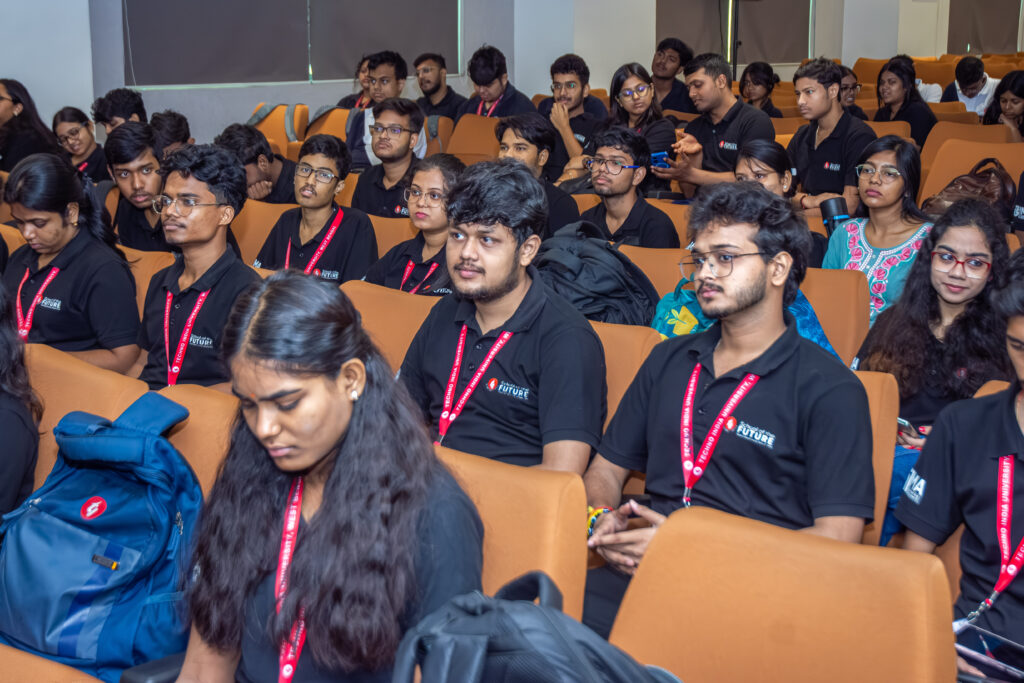
Walking through the event whether you were a speaker, a panelist, a student presenter, or a visitor – one feeling was hard to shake: the future is being built right now, in university labs and hackathon rooms and late-night coding sessions, by people who actually care about what that future looks like.
The conversations sparked by Dr. Banerjee, Dr. Sen, and Souvik Das, the ground-level wisdom shared by Quazi Tarique Ally, Wribhu Chakraborty, and Abhranil Majumder, and the raw ambition on display in every student prototype – all of it pointed in the same direction.
The prototypes weren’t theoretical. They were working systems – rough around some edges, sure, but alive with genuine intent. SoilGuard wants to feed people better. TRINETRA wants to keep people safe. Innovatrix wants to hold industries accountable to the planet.
And somewhere between the expert talks and the student demos, the theme of the day stopped being just a tagline. AI for Sustainable Development in the New Era became something you could see and touch – in a drone-assisted farm monitor, in a gas-detecting rover, in a carbon-scoring algorithm built by three students who clearly lost a lot of sleep over it.
National Technology Day 2026 at Techno India University didn’t just celebrate what technology can do. It showed what it should do – and who’s going to do it.