
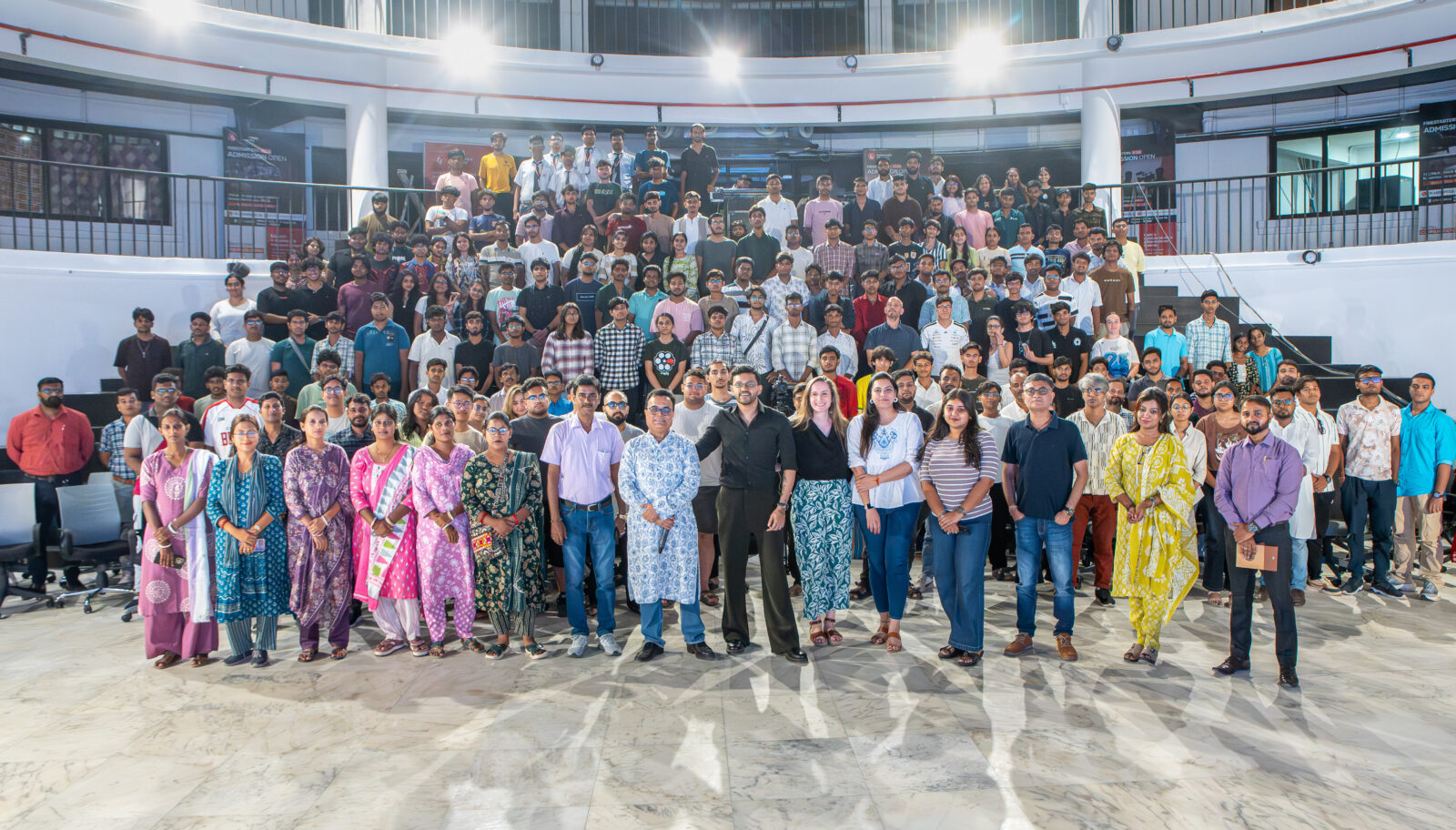
There is something quietly radical about inviting a folk art master, a Google education specialist, a teenage student from the Sundarbans, and a corporate learning head to share the same campus, eat at the same table, and learn from one another. That, in essence, is what the Joka Campus Immersion Week set out to do. Between 1 June and 5 June 2026, it did exactly that.
The newly built of Techno India University Joka Residential Campus played host to one of the most ambitious educational gatherings the region has seen in recent memory. It was not a seminar, conference, or workshop. Instead, it was a living, breathing, residential convergence that refused to fit into any single category.
A Campus Coming Alive
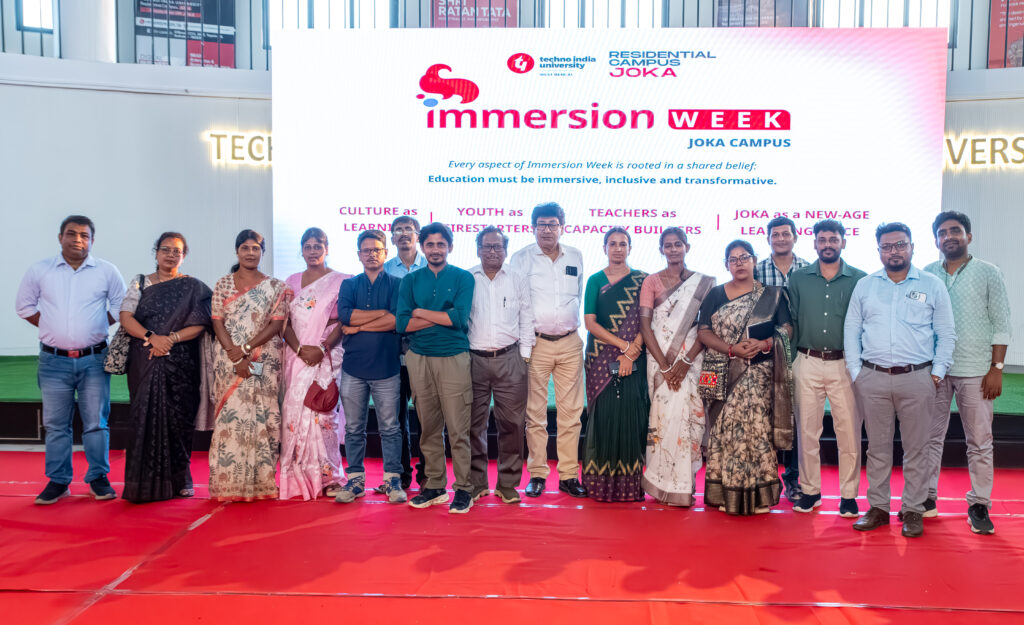
The week was built around a simple but powerful idea: that the best learning happens when people from different worlds inhabit the same space long enough to stop performing and start connecting. Three major groups arrived at Joka over the first two days. The Shilpi Gurus – veteran art teachers and cultural mentors, came to exhibit, perform, and pass on what decades of creative practice had taught them. The Firestarters, nearly 250 young participants drawn from schools and youth programmes, arrived wide-eyed and ready to explore a campus many were seeing for the first time. A cohort of approximately 100 school teachers, many from TIGPS and partner institutions, came to sharpen their own practice and reimagine what a modern classroom could be.
What bound them together was the campus itself: freshly completed, already buzzing with energy, and deliberately designed not as a monument to tradition but as what organisers called a “new-age learning space” – one where creativity, sustainability, technology, and social purpose could coexist.


The First Evening: Art as Arrival
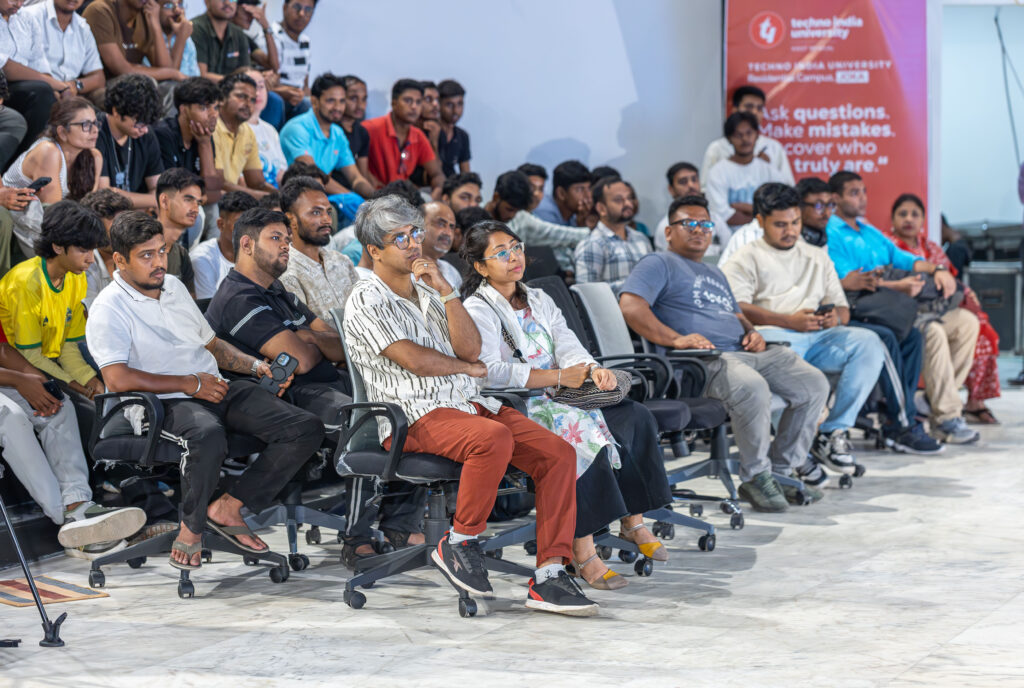
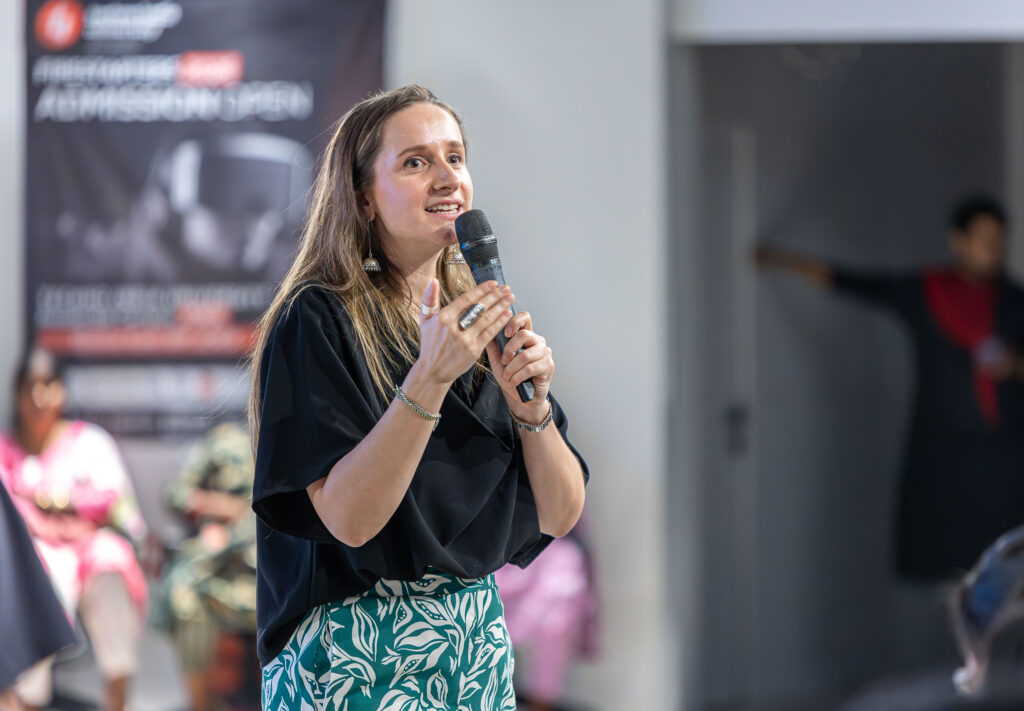
The immersion properly began on the evening of 2 June when the auditorium filled with voices, performances, and the kind of introductions that did not sound like introductions at all. Anchored by Trinanjana Das, the evening opened with a welcome from Ujjwal Kumar Chowdhury followed by addresses from Meghdut Roy Chowdhury and Pauline Laravoire, setting a tone that was warm, thoughtful, and deliberately unhurried.
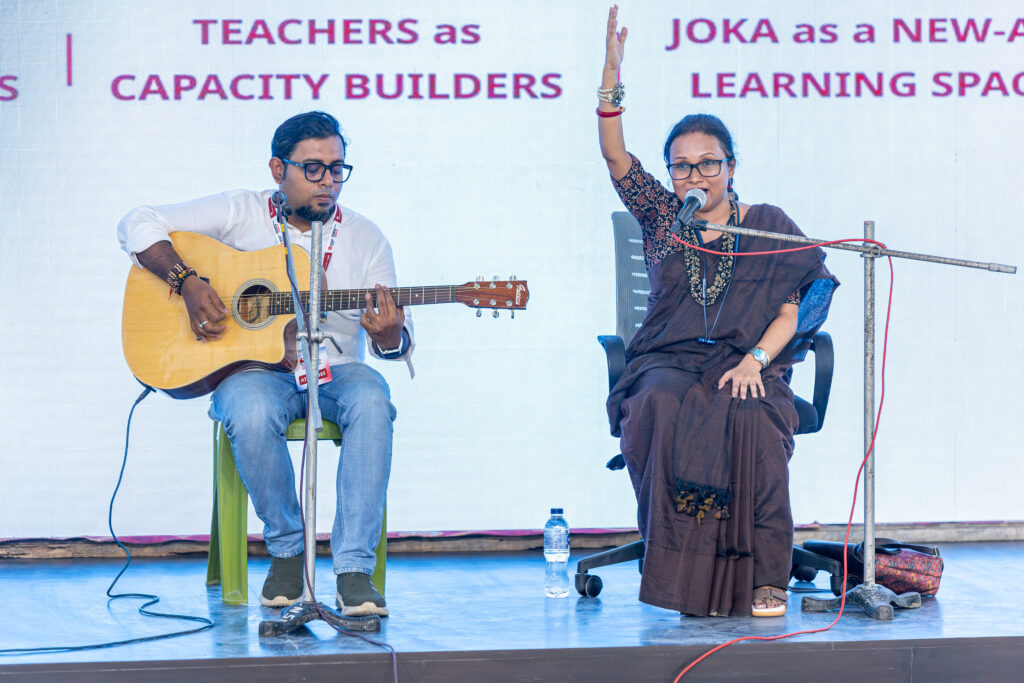
Before the formal addresses, the Shilpi Gurus performed – not as entertainment, but as a statement. Here were master practitioners of folk and visual traditions taking the stage not at a cultural festival but at an education event, making visible the organisers’ belief that art is not decoration; it is knowledge. The Firestarters offered their own introductions through structured self-presentations that carried the nervousness of a first day and the excitement of people who had been waiting for exactly this kind of stage.
The Day That Defined the Week
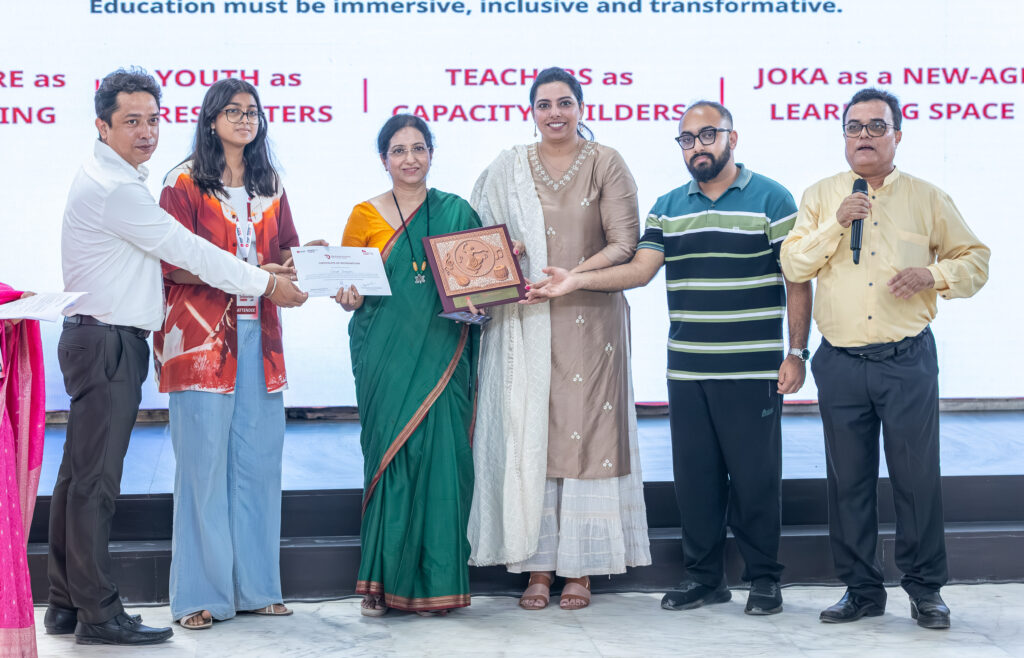
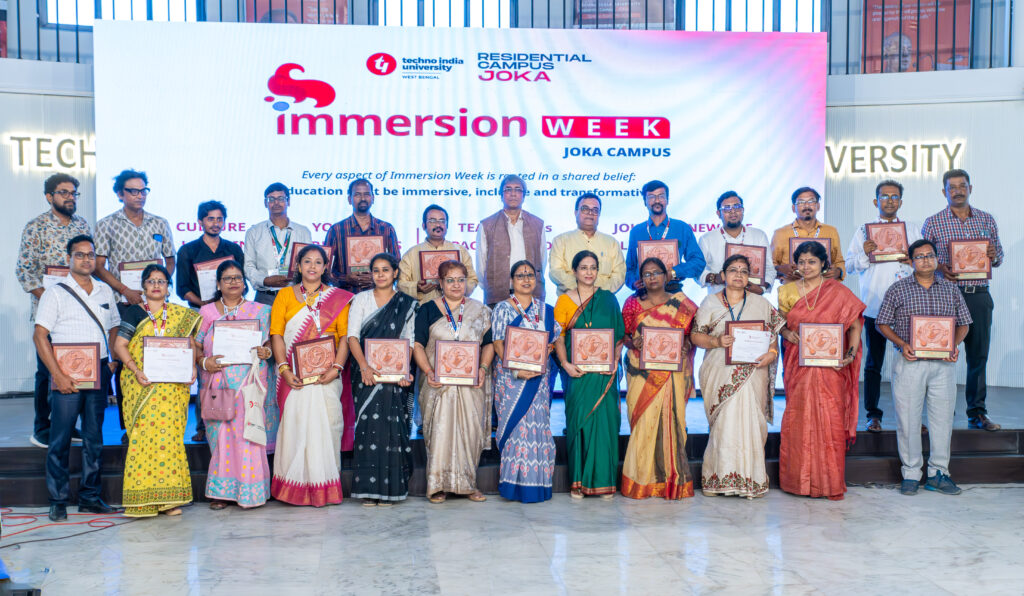
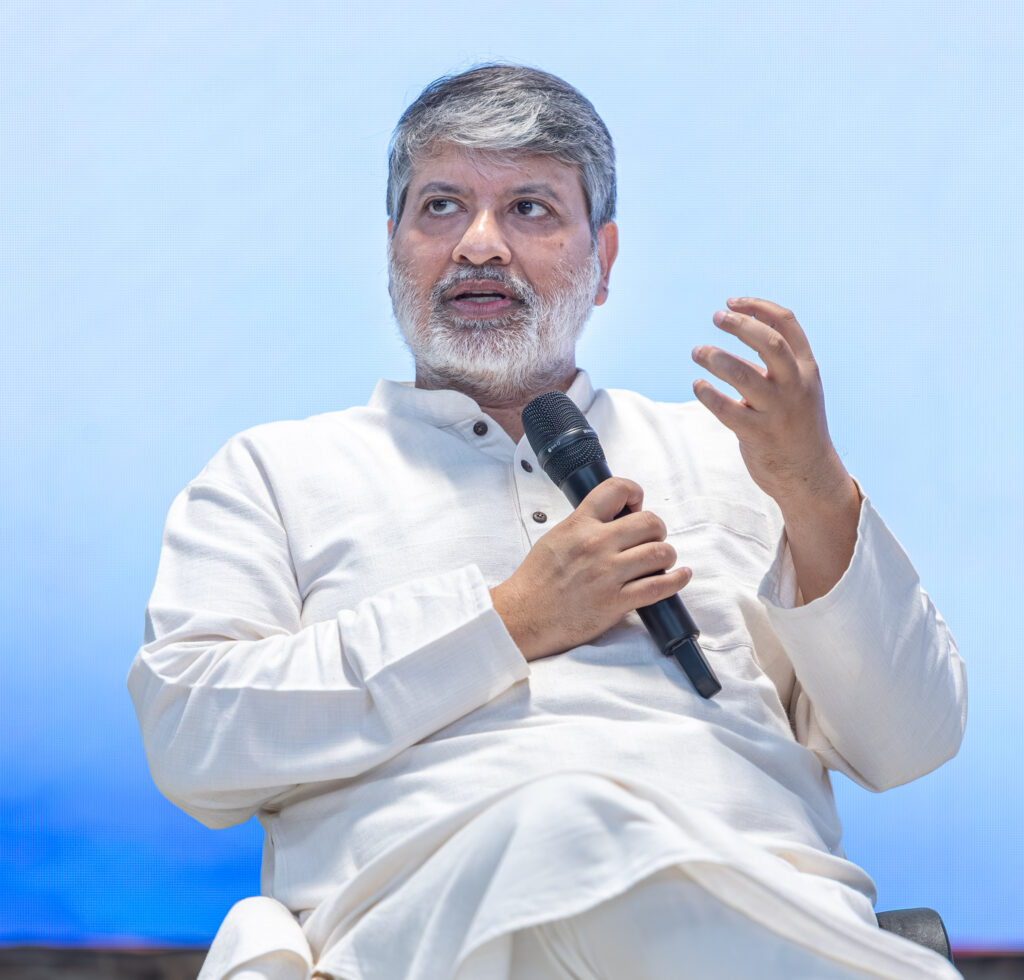
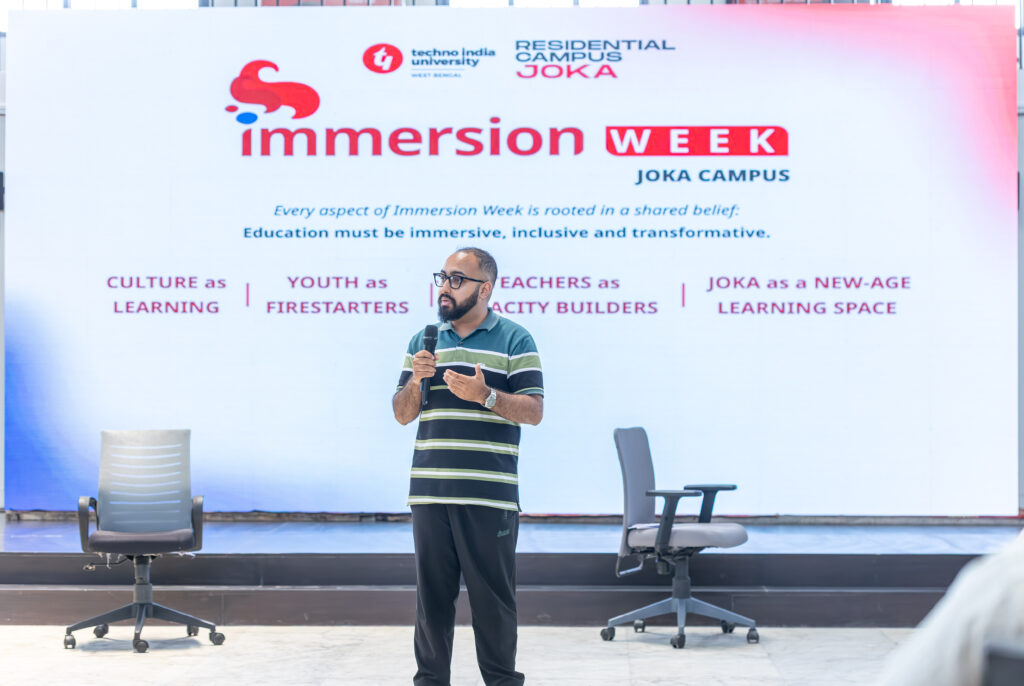
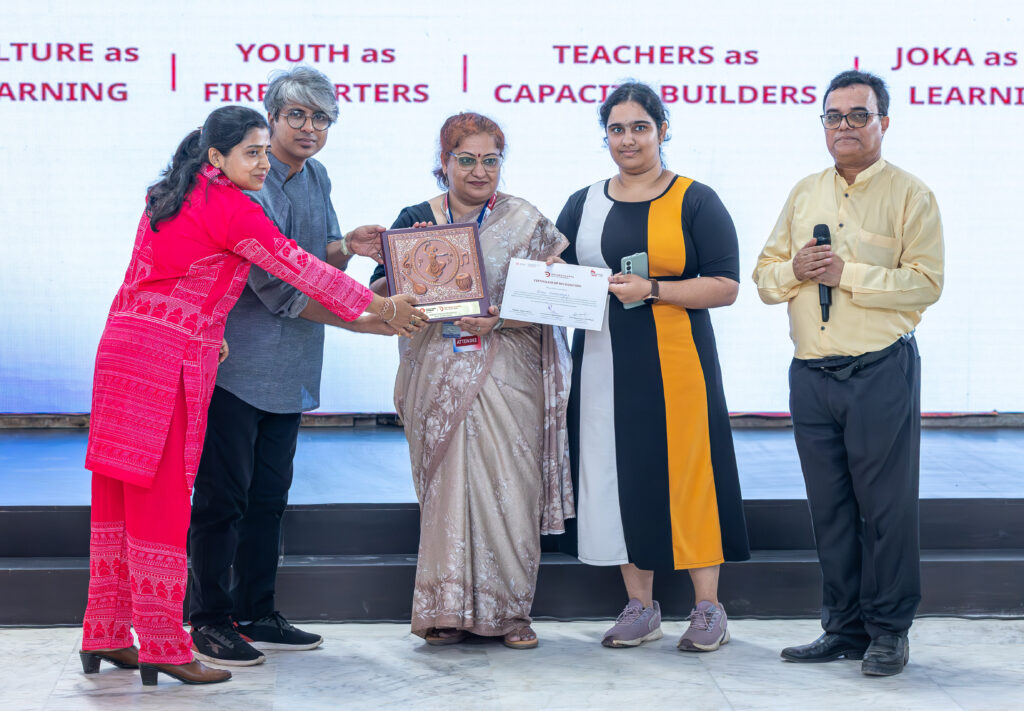
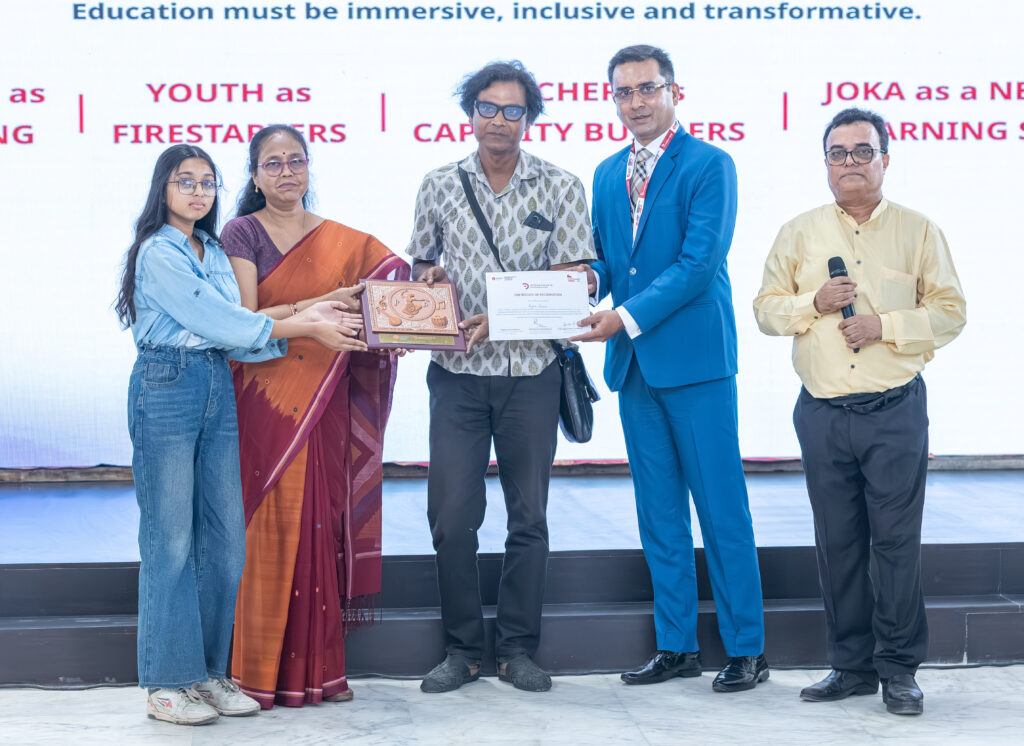
If one day captured the full ambition of what Joka was attempting, it was Wednesday, 3 June, during Shiksha Milan, the Learning Convergence. The main auditorium filled with teachers, students, guests, and practitioners for a programme that ranged from the ceremonial to the genuinely thought-provoking. The Dronacharya Shilpi Awards honoured exceptional art teachers in the presence of invited guests, recognising that those who pass on cultural practices are as vital to society as any professional achiever.
The afternoon expanded the conversation further. Across six parallel focused sessions running from 5 pm to 7 pm, participants could choose from discussions on ethical AI in classrooms, the business-technology blend reshaping careers, creative futures for performing arts students, entrepreneurship as a learnable mindset, and global education pathways. A separate session on children’s literature, led by research scholar Mustak Ahmed Molla, was reserved exclusively for teachers.
The guest list reflected the diversity of today’s professional landscape. Representatives from IBM, Google Education, EXL Services, FinX, Allcap, Red Apple Technologies, GEDU Global Education, and Scalex joined award-winning fashion designer Abhishek Ray, Surobharati president Arijit Chakraborty, and Atal Incubation Centre founder Anindyo Chakraborty. Industry and academia shared the same platform, speaking to the same audience. It was, quietly, the kind of day that schools spend years trying to create through a single career fair. Here, it emerged naturally as part of something much larger.
Thursday: From Inspiration to Practice
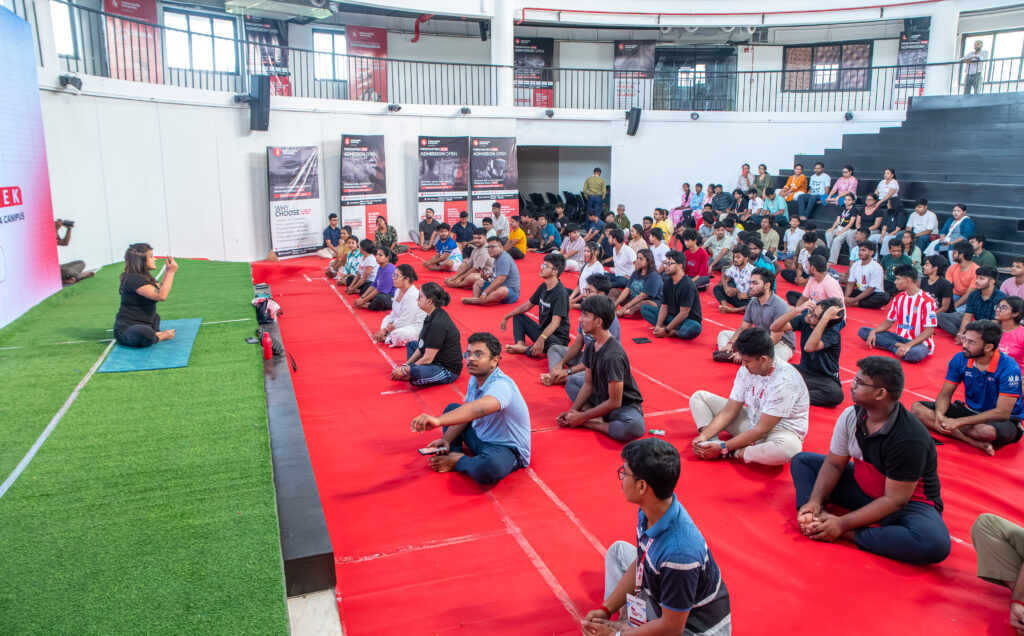
The fourth day began at 6:30 in the morning with yoga. There was something grounding about starting a day of intellectual work with movement and breath. The programme that followed, Prof. Dr. Sumona Datta’s session on coping with stress and failure, filmmaker Manas Basu’s exploration of film and video as pedagogical tools, and Dr. Kanailal Das’s discussion on ecology and school education – felt less like a schedule and more like a carefully designed curriculum for life.
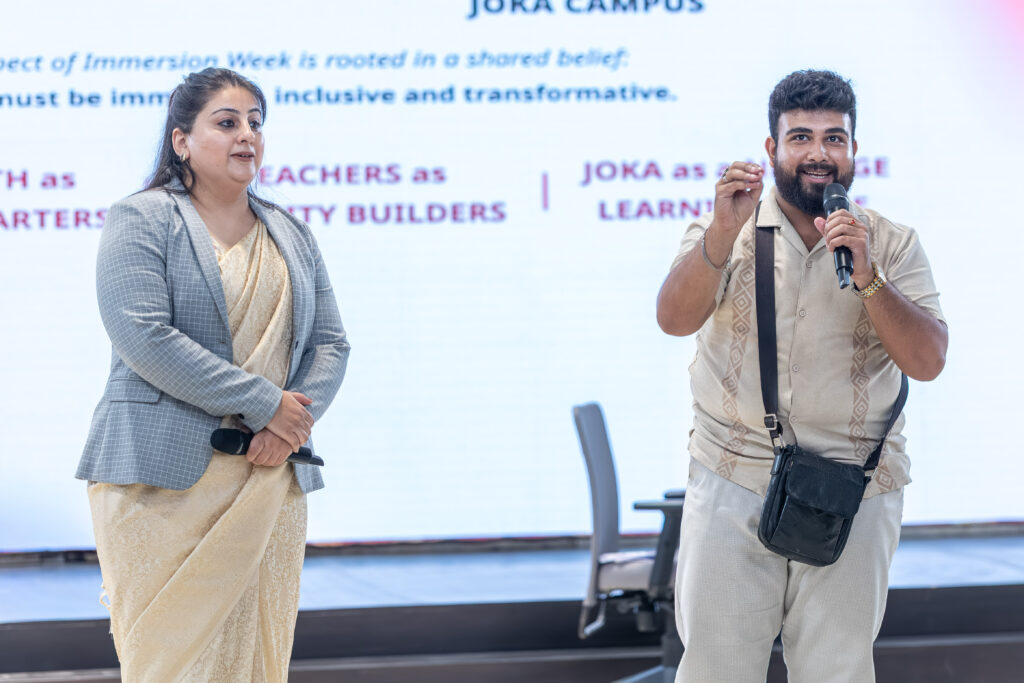
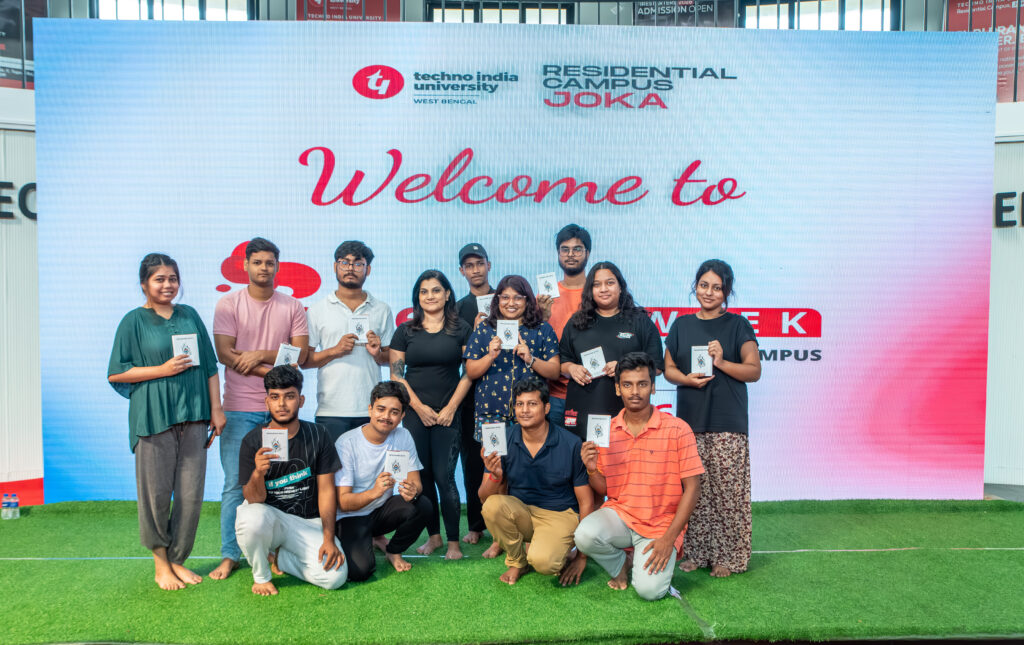
For the Firestarters, the morning unfolded through parallel streams. Students could choose from workshops on confidence and communication led by Alok Sardar and Trinanjana Das, emerging technologies, business analytics with Rana Guha of EXL Services, startup thinking with Anindyo Chakraborty, life coaching and goal-setting by Sukanya Debnath, or responsible AI in higher education. The idea was simple: no two students would have exactly the same day, but all of them would leave with something they had not arrived with.
Teachers, meanwhile, presented their own work in two parallel tracks. One focused on sustainability and the Sundarbans, while the other explored pedagogy and contemporary teaching tools. Their presentations were evaluated by practitioners and academics, creating a rare opportunity for teachers to become the ones being seen, heard, and recognised.
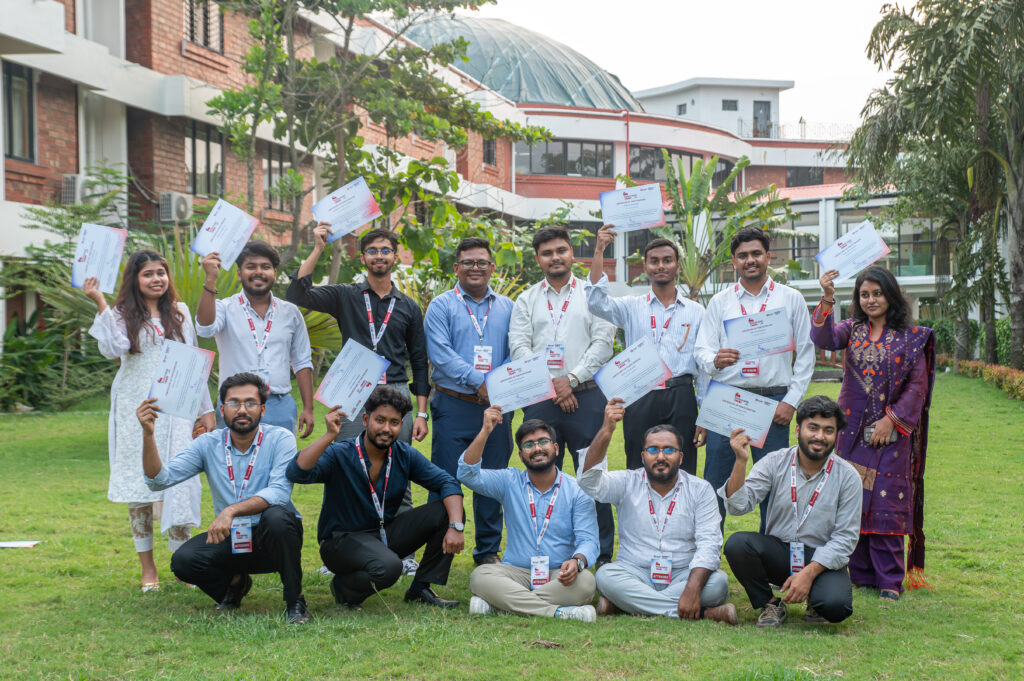
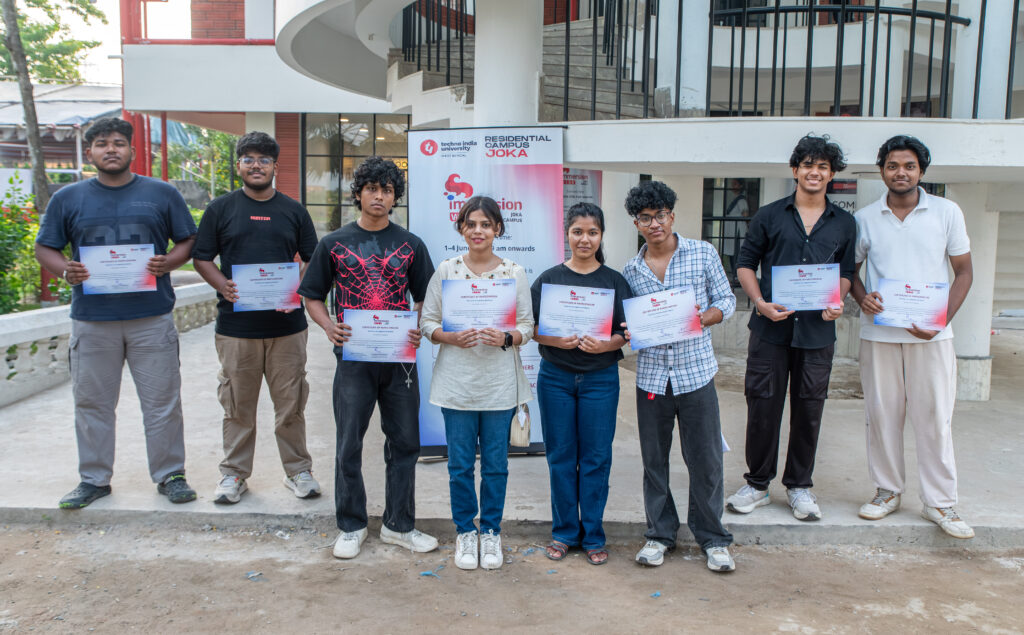
The evening brought everyone back together. Certificates were distributed, awards were presented, feedback was shared, and a quiet sense of accomplishment settled across the campus – the satisfaction that comes from having genuinely worked and learned together.

The Smaller Details That Made It Real
Large events are often remembered for their smallest details, and Joka Campus Immersion Week was no exception. Two camera teams and photography crews documented every session, performance, and corridor conversation. A materials desk stocked art papers, easels, colours, and name tags. A conduct desk ensured that the campus remained safe, organised, and respectful. Meal timings were carefully aligned with the programme schedule so that learning never lost momentum.
Even transportation reflected the organisers’ attention to detail. Buses operated from Offbeat CCU and the Joka Metro Station, while special arrangements were made for outstation participants. For many attendees, some travelling from outside Bengal and visiting the campus for the first time, this thoughtful approach to arrival made all the difference. After all, it is difficult to learn when you are lost.
What Joka Is Becoming
The five days at Joka were never intended to be a one-time event. The vision is for each strand of the week to evolve into an annual institution in its own right. The Shilpi Guru Utsav has the potential to become a national platform for folk art teachers and cultural mentors, offering recognition long available to scientists, technologists, and business leaders but rarely to those who preserve living traditions. The Firestarters’ Joka Immersion could develop into a signature residential experience for young people at a crucial stage of their lives, combining performance, career exposure, wellness, and campus life into a transformative journey. Shiksha Milan could become an annual convergence point for educational leadership, creative industries, universities, schools, and the development sector. Likewise, the School Capacity Building Workshop model, with its emphasis on ethical AI, mental wellness, sustainability, and audio-visual pedagogy, could be replicated across institutions throughout the region.
A Design Note Worth Remembering
The planners of the immersion expressed their vision in a sentence worth reading slowly: “The immersion should be experienced as one integrated journey, from consecration to creativity, from creativity to learning, from learning to sustainability, from sustainability to institution-building for society.”
That is not the language of event management. It is the language of people who believe that education, at its best, is not something one attends. It is something one inhabits. For five days in June 2026, the Joka Campus gave a few hundred people the opportunity to inhabit exactly that.
The Joka Campus Immersion Week, held from 1–5 June 2026, was an initiative of TIU’s Joka Campus, bringing together the Shilpi Guru Utsav, Firestarters’ Youth Immersion, Shiksha Milan, and the School Capacity Building Workshop under one integrated residential learning experience.