
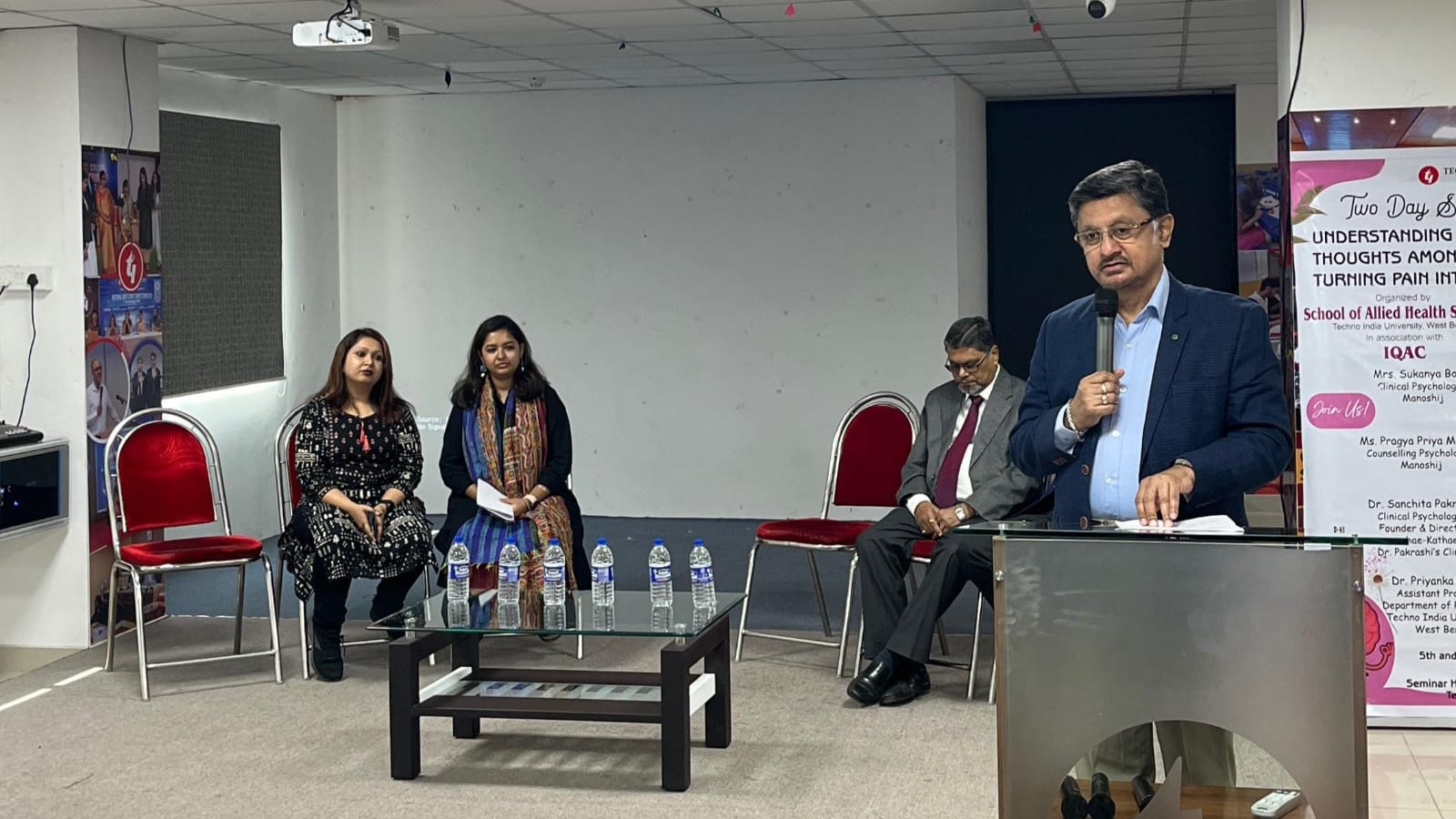
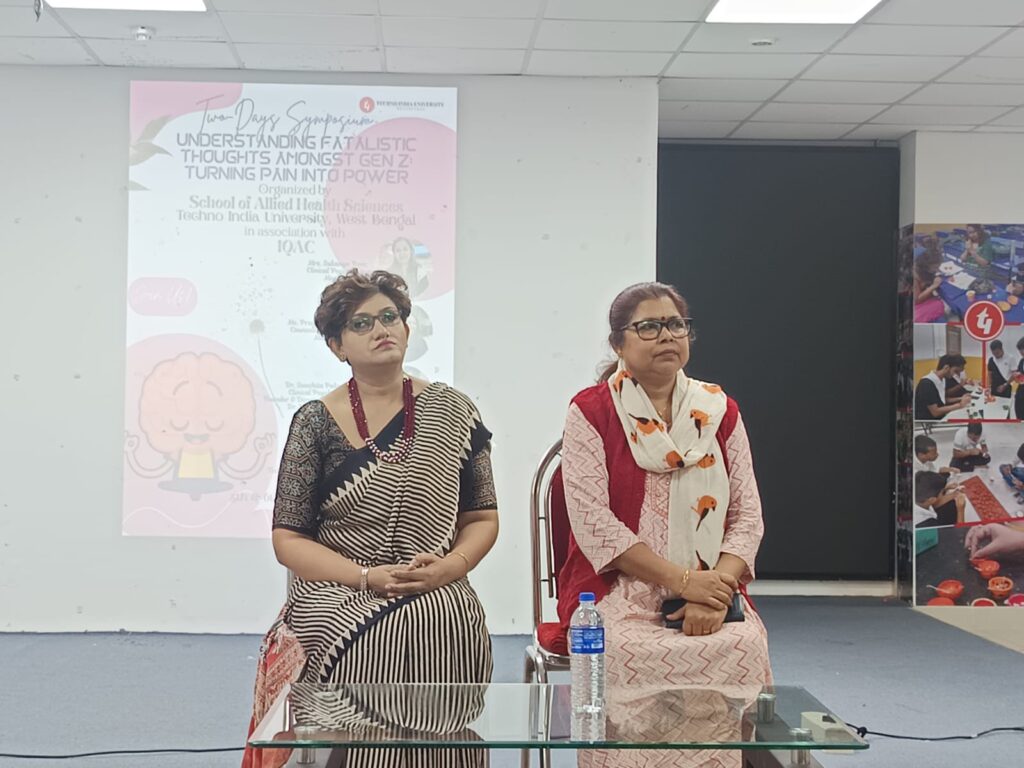
The School of Allied Health Sciences at Techno India University, West Bengal, organized a two-day symposium titled “Understanding Fatalistic Thoughts Amongst Gen Z: Turning Pain into Power” on 5–6 December 2025. The event brought together around 150 students, faculty members, healthcare professionals, and mental health advocates to discuss the rising concerns of fatalistic thinking and emotional distress among young individuals. The symposium also aligned with the global mental health awareness theme of the World Health Organization for 2025 — “Changing the Narrative on Suicide.”
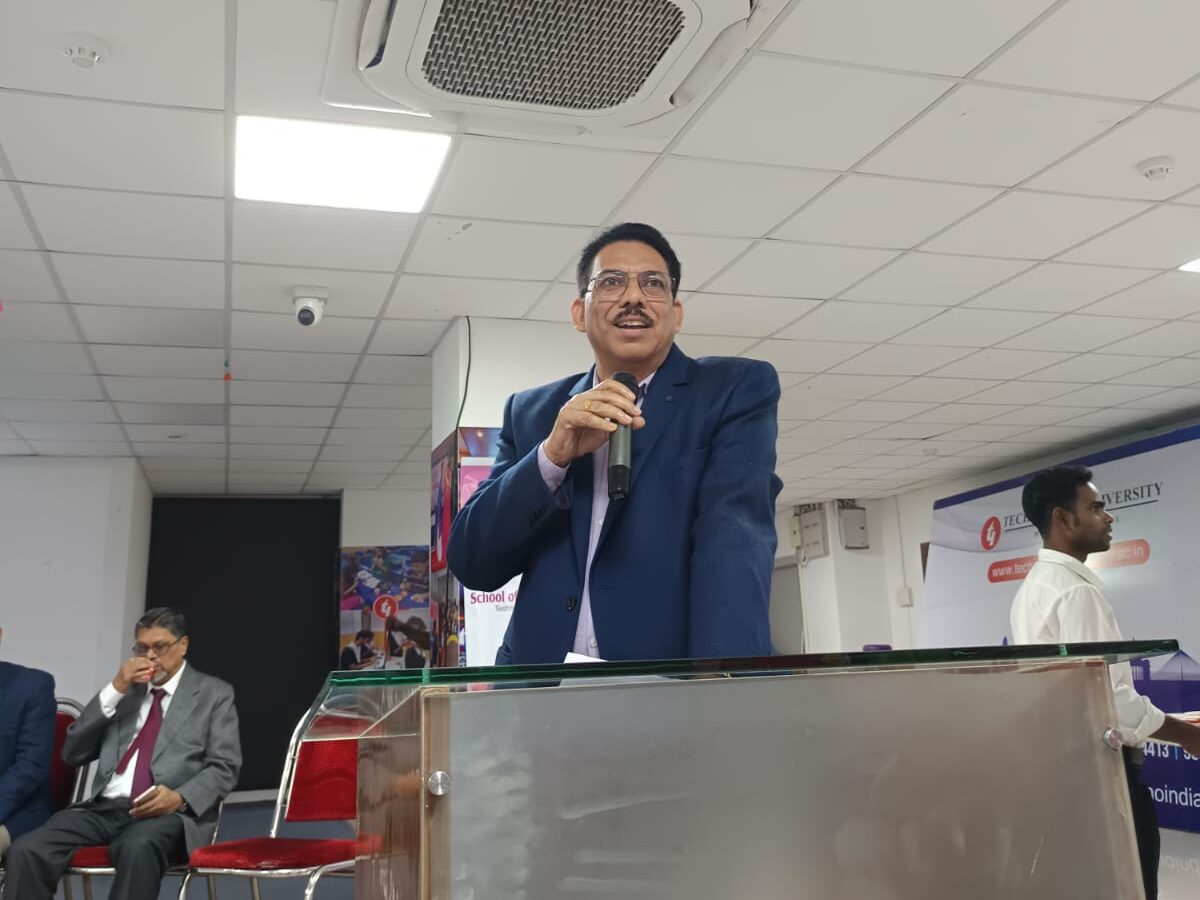
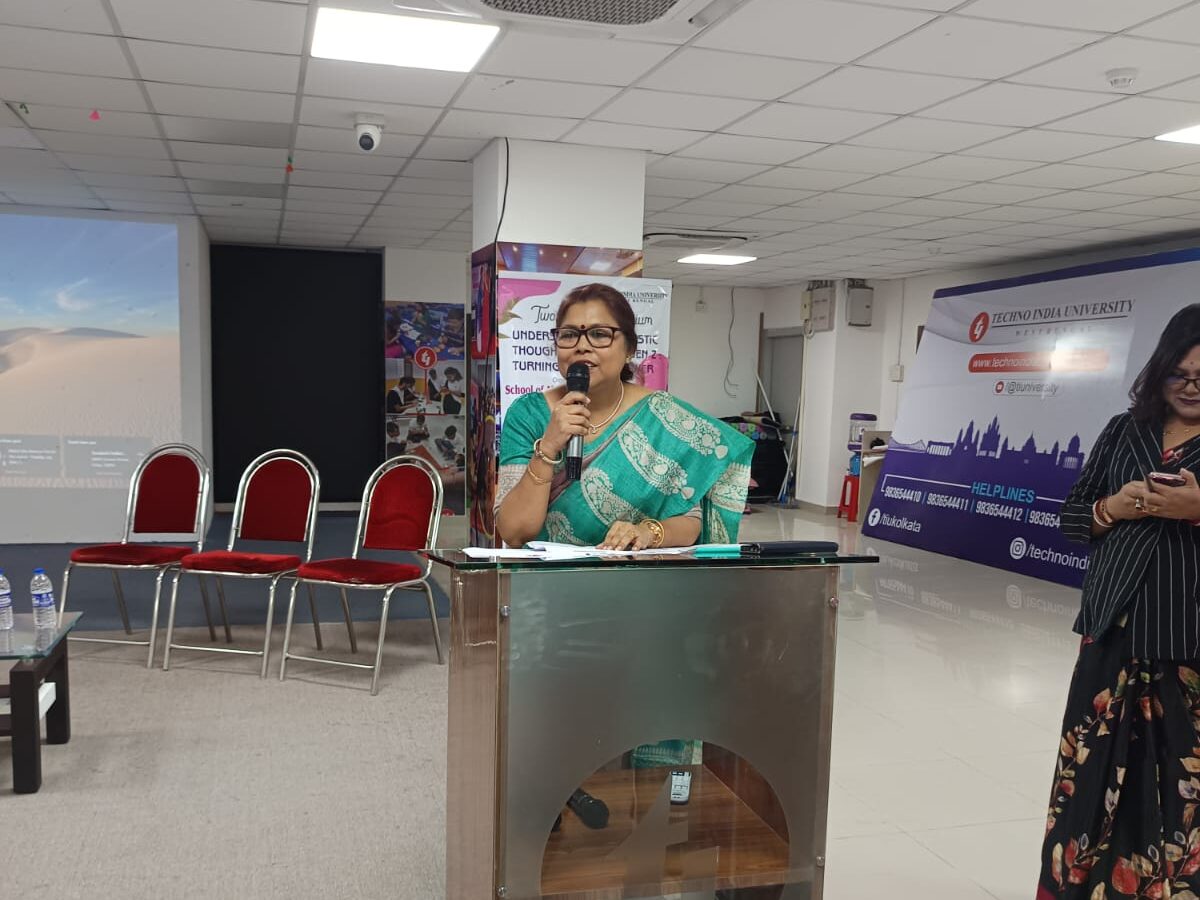
The symposium commenced with an inaugural ceremony attended by university dignitaries, faculty members, and invited experts. The program was convened by Dr. Titlee Majumder and Dr. Piya Majumdar, with Dr. Amartya Sinha serving as the Organising Secretary of the event. The welcome address was delivered by Dr. Shampa Mallick (HOD I/C), Department of Medical Laboratory Technology, who highlighted the increasing importance of addressing mental health challenges faced by young individuals in today’s academic and social environments. The inaugural address was delivered by Prof. Dr. Gautam Majumdar, Pro-Vice Chancellor of Techno India University, who emphasized the role of educational institutions in promoting emotional resilience and mental well-being among students.
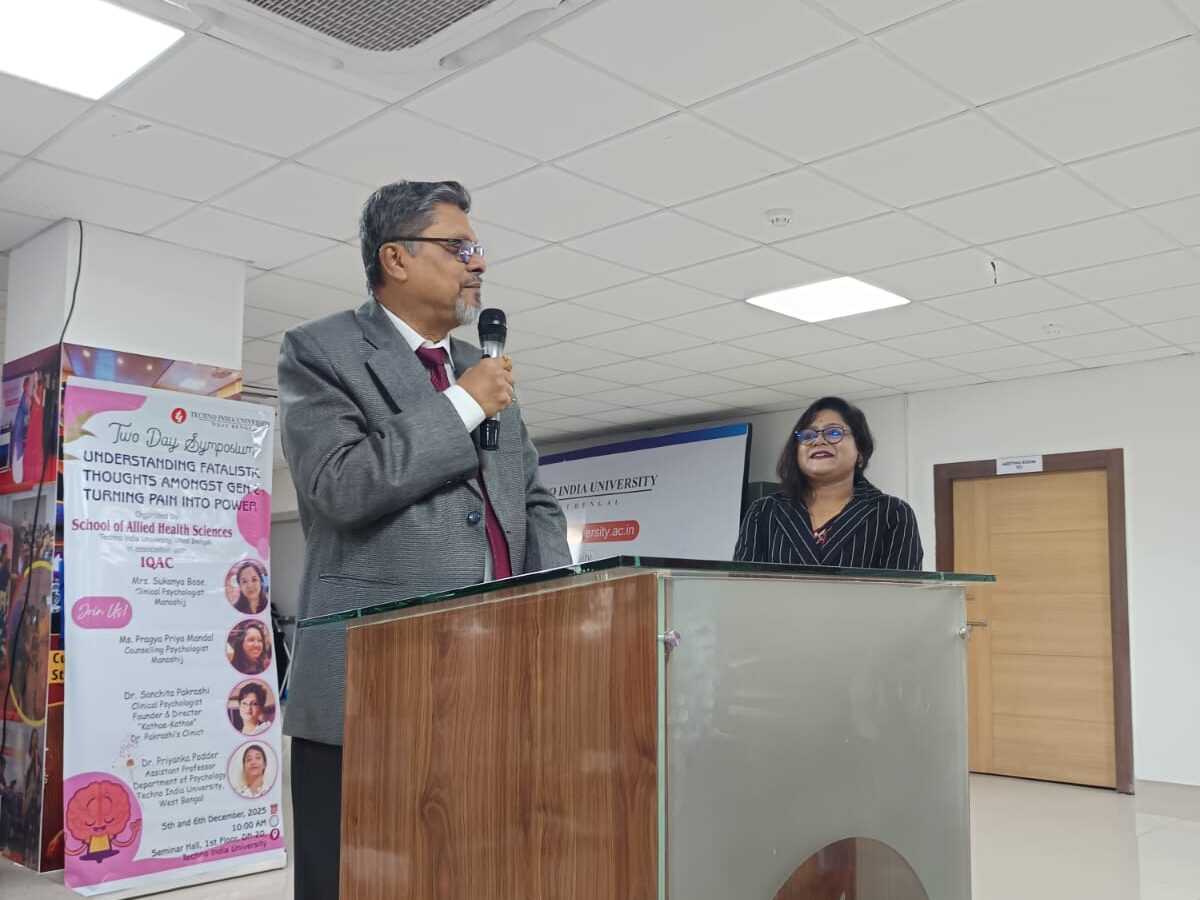
The inaugural session also featured insights from distinguished speakers including Prof. Atanu Raha, Emeritus Professor, and Dr. Beduin Mahanti, Dean of the Faculty of Health Sciences and Director of the School of Pharmacy. They stressed the importance of early psychological assessment, empathetic communication, and strong institutional support systems in addressing the rising incidence of suicidal ideation among young adults. Their reflections set the tone for the symposium by encouraging participants to view emotional challenges not as weaknesses but as opportunities for resilience and personal growth.
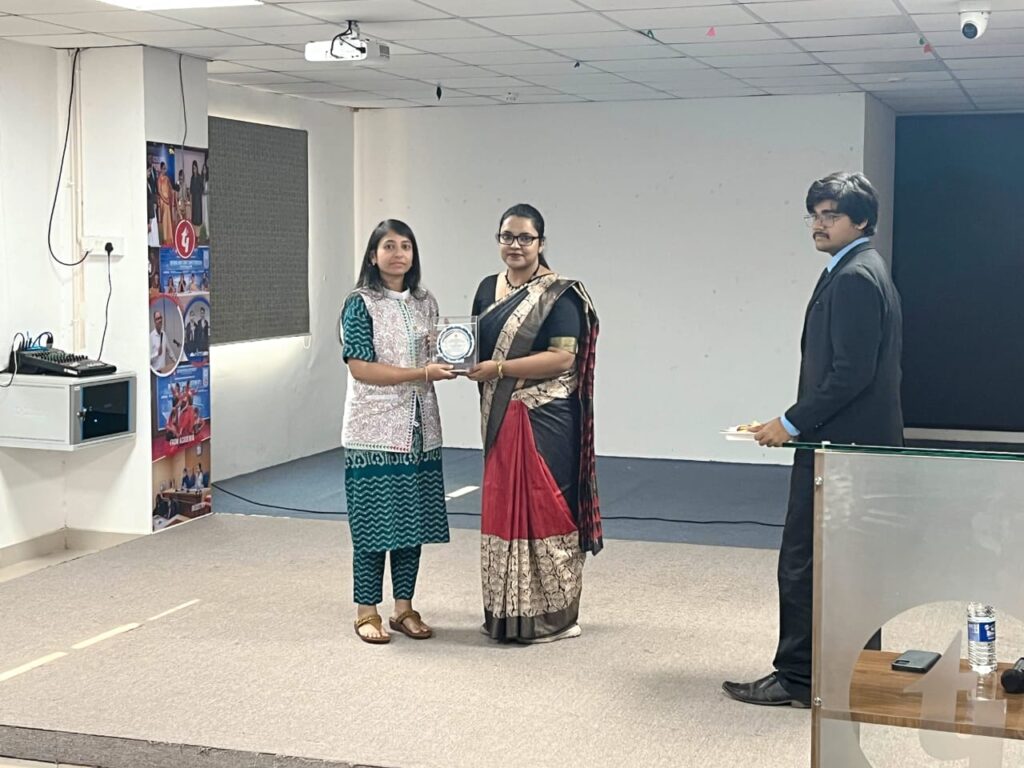
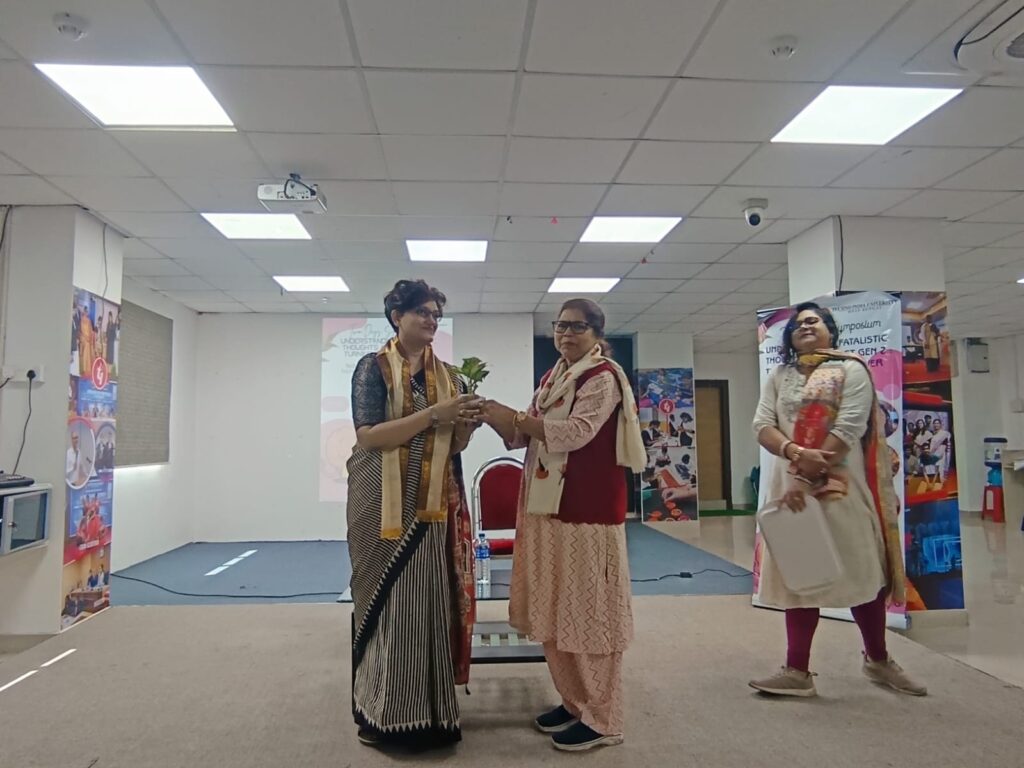
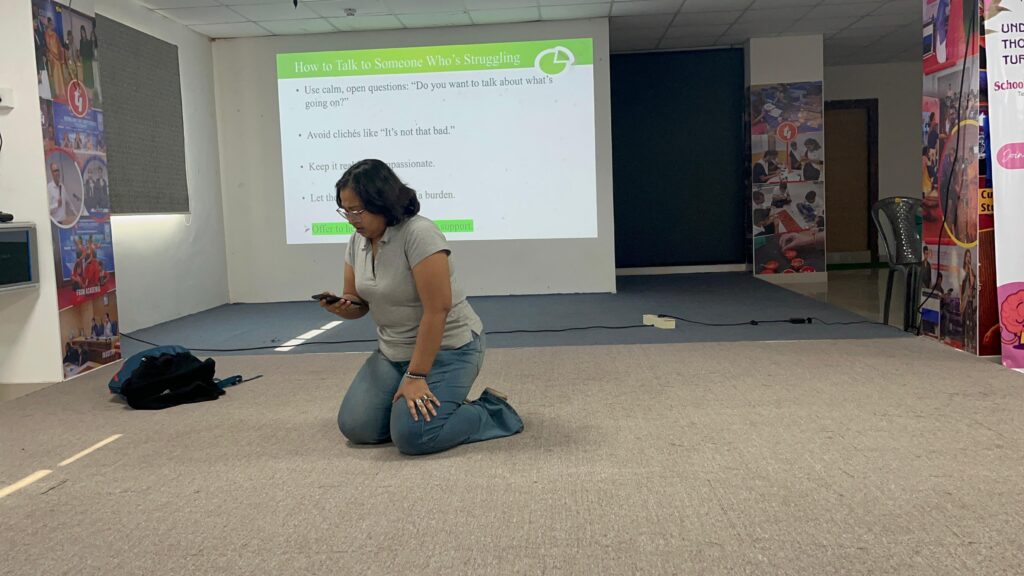
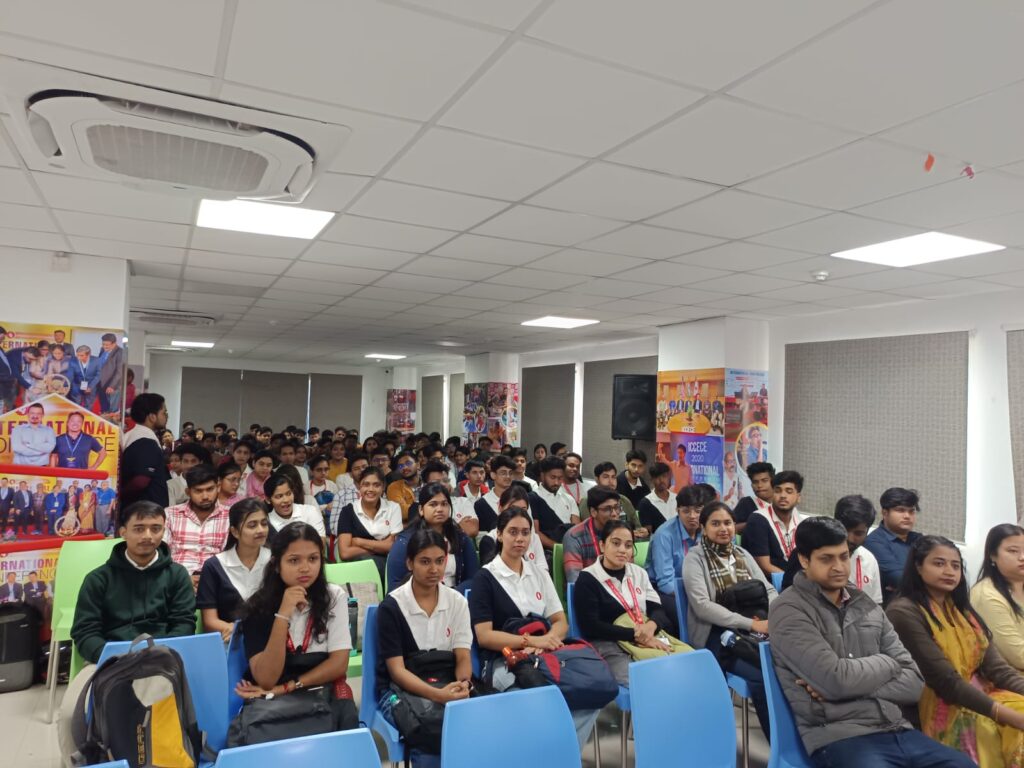
The symposium witnessed enthusiastic participation from students of allied health sciences, faculty members, researchers, and healthcare professionals. Interactive question-and-answer sessions, group discussions, and collaborative learning activities encouraged meaningful dialogue and engagement, enriching the overall academic experience. The platform also highlighted the importance of interdisciplinary collaboration among educators, healthcare professionals, and mental health practitioners in strengthening suicide prevention efforts.
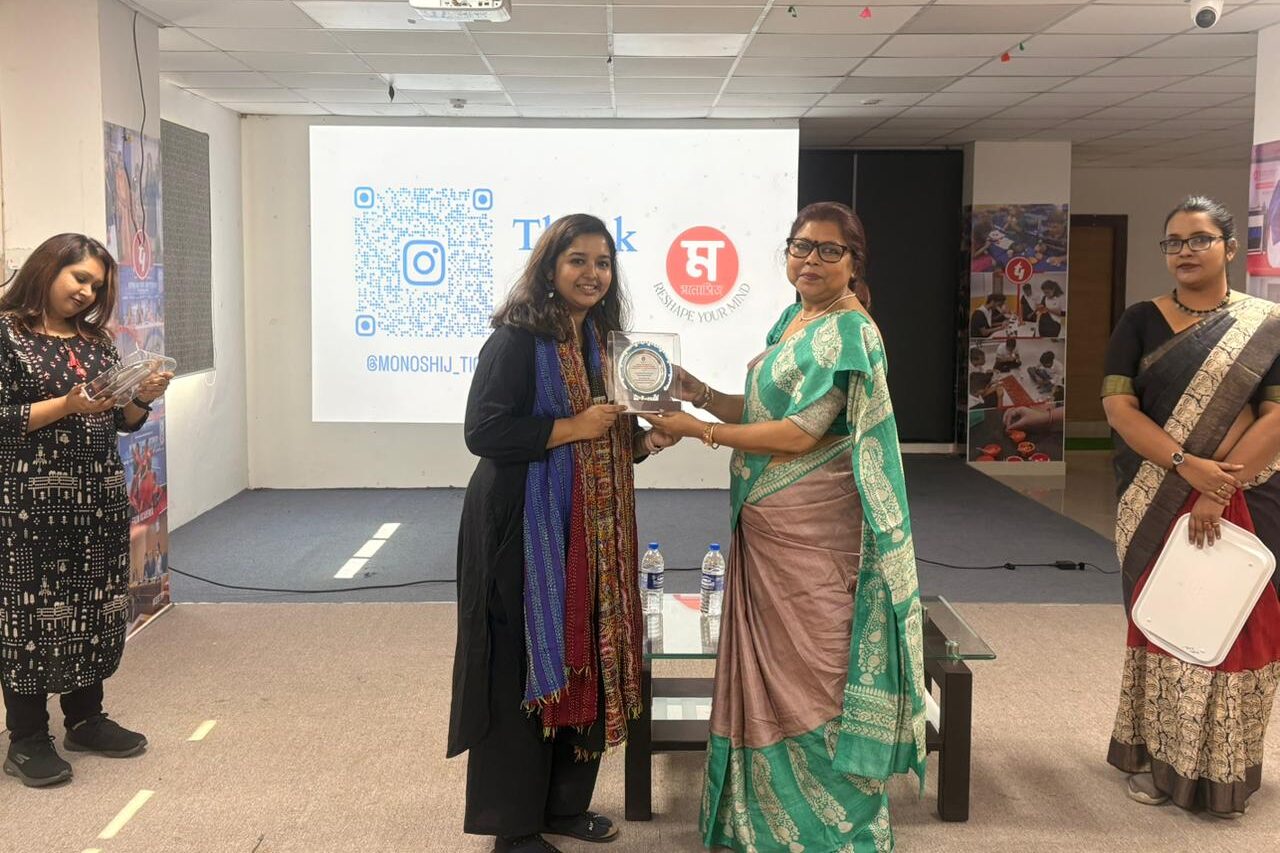
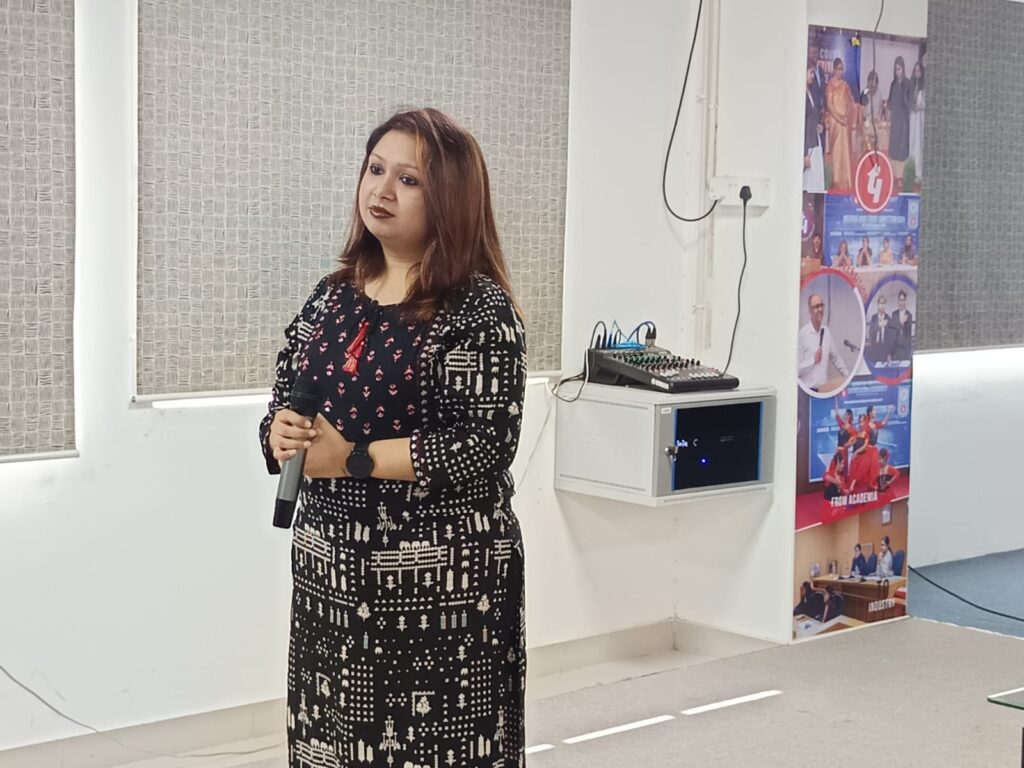
One of the sessions introduced the initiative “Monoshij: Reshape Your Mind,” which focuses on promoting emotional resilience and mental well-being among students. Mrs. Sukanya Bose spoke about the psychological dimensions of suicidal ideation and emphasized the importance of recognizing warning signs early. She highlighted how empathy, patience, and non-judgmental communication can provide crucial support to individuals experiencing emotional distress.
Expanding on counselling strategies, Ms. Pragya Priya Mandal discussed effective ways of engaging in safe and supportive conversations. She emphasized techniques such as active listening, validating emotions, and encouraging individuals to seek professional help, explaining how these approaches can create a safe environment where individuals feel comfortable expressing their feelings. The session concluded with an open interaction segment where students shared their thoughts and asked questions about mental health challenges faced by young people today.
Another insightful session was delivered by Dr. Priyanka Podder from the Department of Psychology, who spoke about identifying risk factors associated with suicidal behaviour and fostering resilience among vulnerable individuals. Her talk emphasized recognizing behavioural warning signs, understanding psychological and social triggers, and developing coping mechanisms among young individuals. She also highlighted the importance of peer support, empathy, and open communication in building supportive academic communities.
Adding a creative and impactful dimension to the symposium, students from the M.Sc. Clinical Psychology program presented a one-act play that portrayed the emotional struggles faced by individuals dealing with mental distress. The performance by Susruta Kar and Soumili Goswami illustrated how empathy, timely support, and compassionate communication can help individuals overcome challenging emotional experiences. The play was highly appreciated by the audience and reinforced the importance of mental health awareness and suicide prevention.
On the second day of the symposium, the keynote lecture by Dr. Sanchita Pakrashi on “Changing the Narrative on Suicide” provided further depth to the discussions. Through engaging interaction and real-life insights, she encouraged participants to rethink conventional perceptions of mental health and adopt a more empathetic and proactive approach toward suicide prevention.
By aligning with the global mental health advocacy framework of the World Health Organization, the symposium emphasized the importance of collective efforts in suicide prevention and youth empowerment. Through meaningful discussions, interactive sessions, and creative expression, the event successfully encouraged participants to contribute toward building a supportive, aware, and mentally resilient society.