
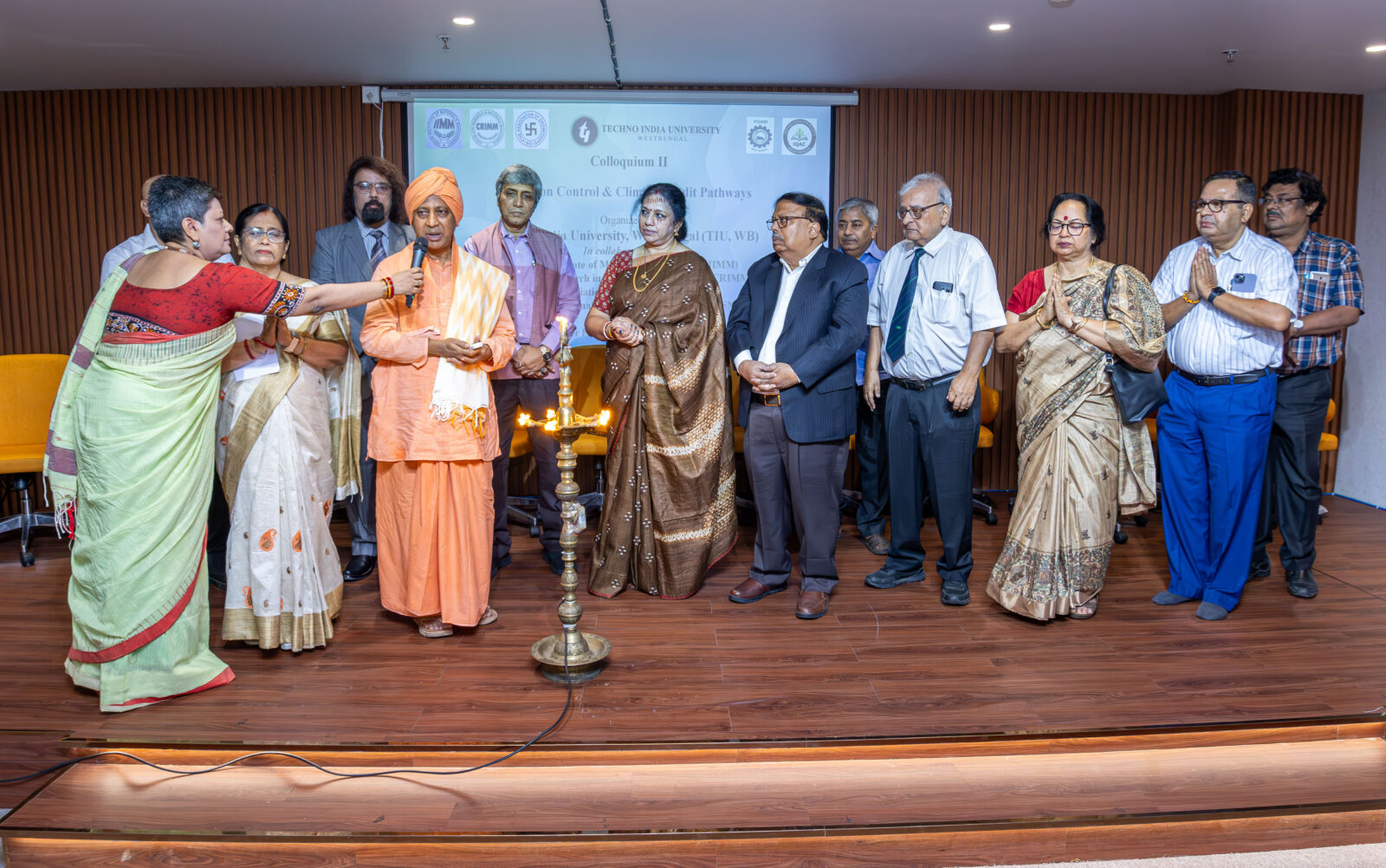
Kolkata, June 17, 2026: Continuing its commitment to fostering meaningful dialogue on sustainability and environmental responsibility, Techno India University, West Bengal (TIU, WB), successfully organized Colloquium II on “Emission Control & Climate Credit Pathways” on June 17, 2026. Bringing together leading academicians, industry experts, policymakers, researchers, and students, the event served as a vital platform to explore innovative strategies for emission reduction, climate-conscious industrial development, and the evolving role of climate credit mechanisms in shaping a sustainable future.
The event was organized by Techno India University, West Bengal, in collaboration with the Indian Institute of Materials Management (IIMM), Centre for Research in Materials Management (CRIMM), The Association of Engineers, India (AEI), Federation of Small and Medium Industries (FOSMI), and Techno Main Salt Lake (TMSL). The colloquium served as a dynamic platform for interdisciplinary dialogue on emission reduction strategies, climate-conscious industrial growth, and the expanding role of climate credit mechanisms in achieving global sustainability goals.
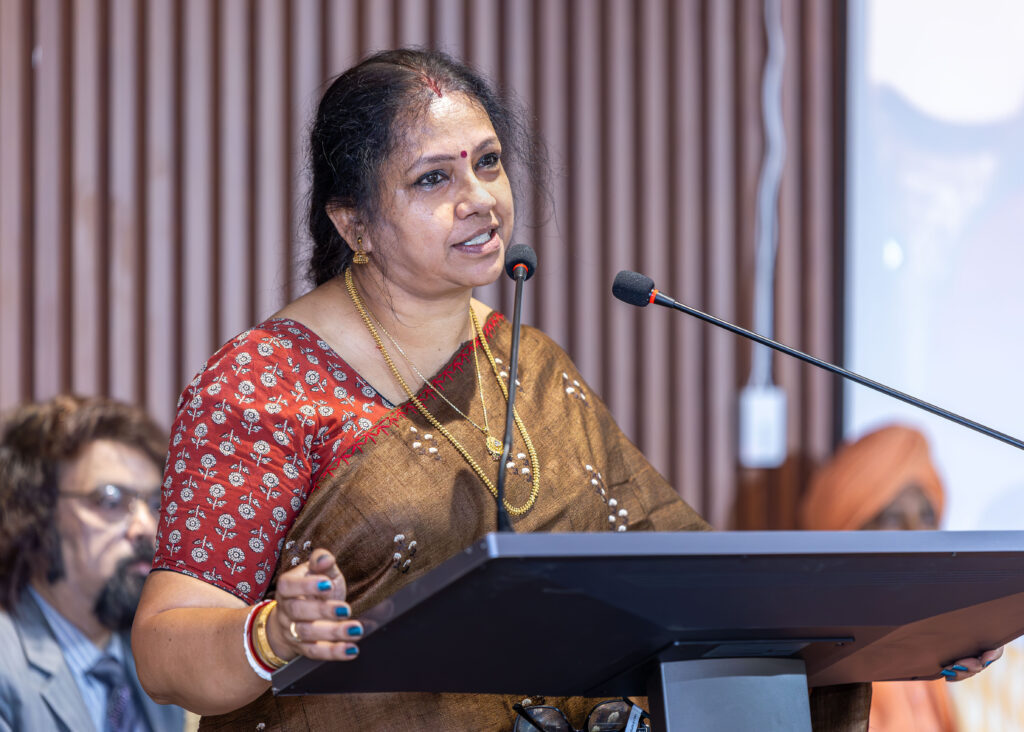
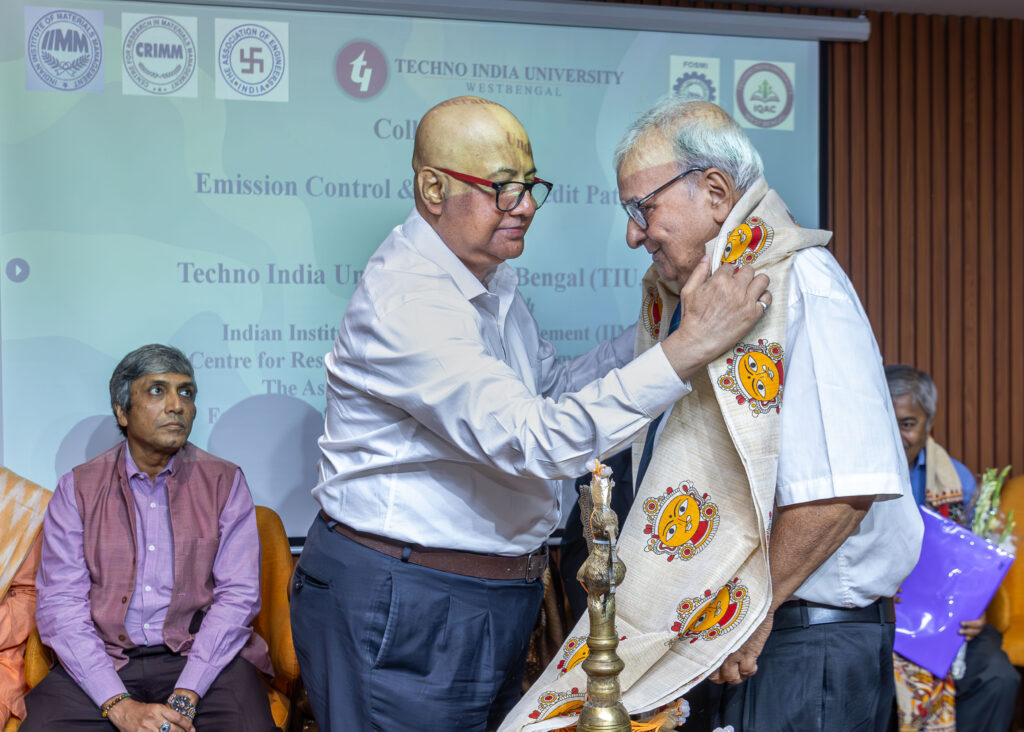
The programme commenced with a welcome address by Dr. Goutam Sengupta, Rector, TIU, WB, followed by the ceremonial lighting of the lamp and felicitation of distinguished guests. Delivering the inaugural address, Prof. Manoshi Roychowdhury, Co-Chairperson, TIG, WB, emphasized that environmental responsibility must extend beyond symbolic observances and become a continuous collective commitment.
“Environmental responsibility is not a one-day observance but a year-round commitment. By fostering environmental consciousness from an early age and embracing sustainable innovation, we can transform today’s challenges into opportunities for a greener and more resilient future,” said Prof. Roychowdhury.
Her address highlighted the crucial role of education, awareness, and innovation in shaping environmentally conscious citizens and sustainable societies.
The thematic foundation of the colloquium was laid by Dr. Abhijit Mitra, Director of Research, TIU, WB, who discussed emerging approaches to emission management and the growing importance of climate credit frameworks in supporting sustainable development. The audience also benefited from insightful perspectives shared by Dr. Tripti Chakrabarti, Dean of Basic Sciences, TIU, WB, and Dr. Saikat Maitra, Vice Chancellor, TIU, WB, who underscored the role of higher education institutions in advancing environmental research, innovation, and policy dialogue.
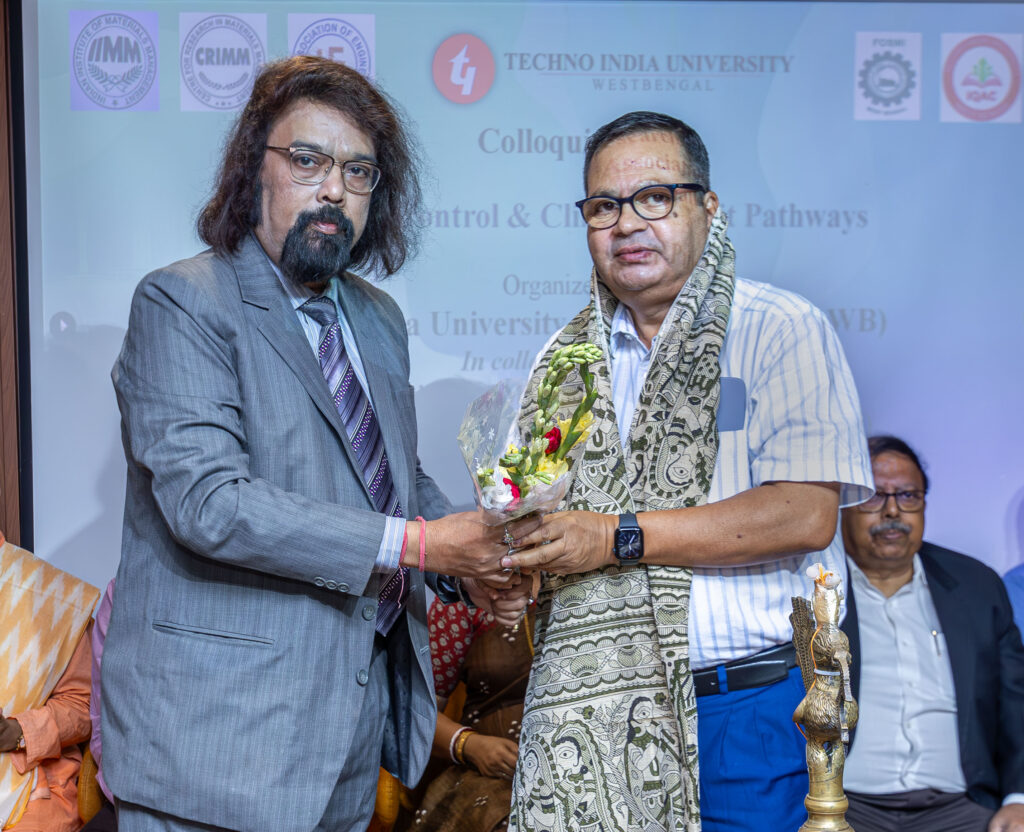
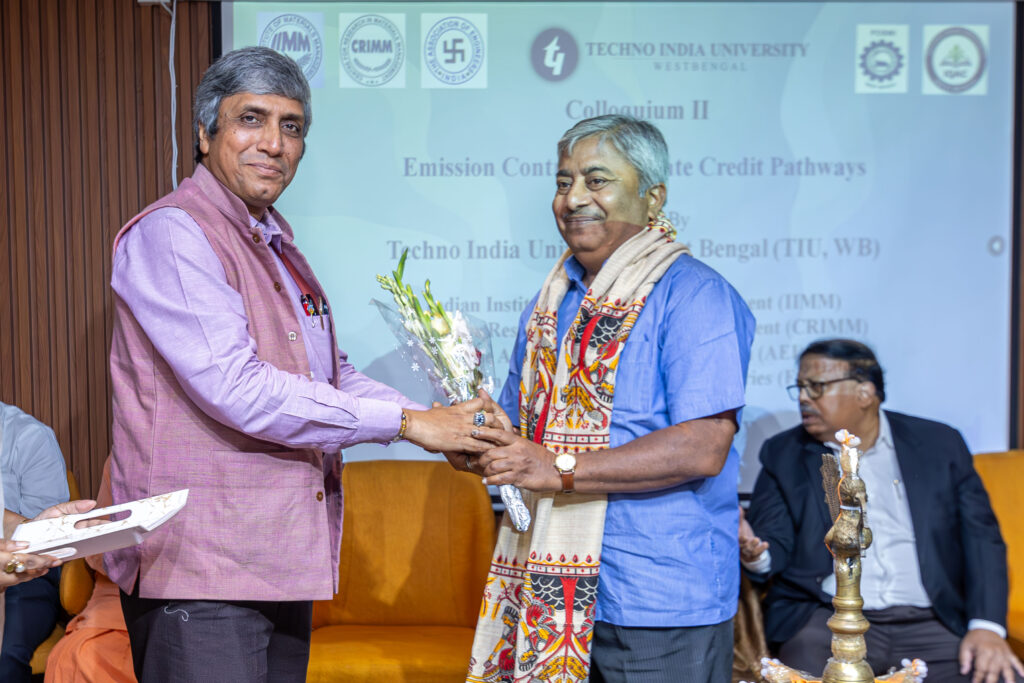
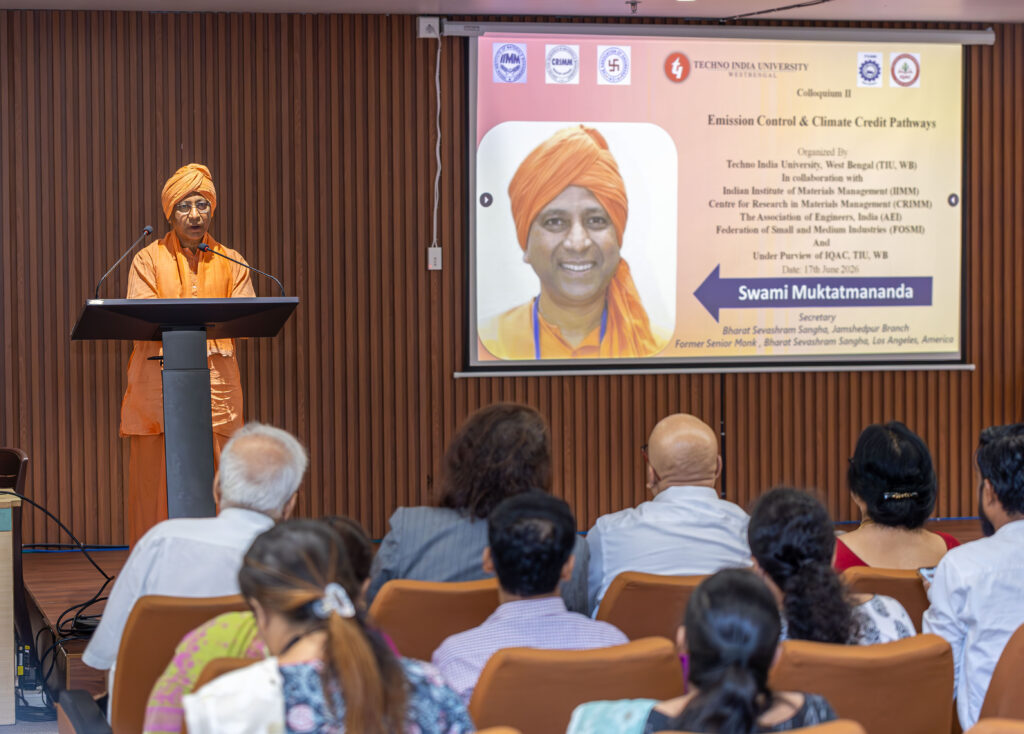
A major highlight of the event was the address by Swami Muktatmananda, Secretary of Bharat Sevashram Sangha, Jamshedpur Branch, and former Senior Monk of the organization’s Los Angeles chapter. Bringing a spiritual dimension to the discussions, he r eflected on humanity’s relationship with nature and the deeper values required for environmental stewardship. “Science helps us understand what is happening to our environment, while spirituality reminds us why it matters. Protecting nature requires not only technological solutions but also a deeper sense of responsibility and reverence for the Earth.” he shared.
His address resonated strongly with the audience, reinforcing the idea that sustainability is not merely a scientific or economic concern but also a moral and cultural responsibility.
The colloquium further gained international perspective through an invited talk by Prof. (Dr.) M. Satish Kumar, Professor at Queen’s University Belfast, Ireland, and Fellow of the Senator George J. Mitchell Institute for Global Peace, Security and Justice. Drawing upon global experiences and research insights, he discussed contemporary challenges and opportunities associated with emission control, climate policy, and sustainable industrial transformation.
The session also featured contributions from eminent dignitaries representing industry and professional bodies, including Sri Biswanath Bhattacharya, President of FOSMI, Dr. Dipankar Bhattacharyay, Principal of Techno Main Salt Lake, Dr. Nilanjan Sengupta, General Secretary of The Association of Engineers, India, and Dr. Ashoke Das Gupta, Advisor to CRIMM. Their discussions highlighted the practical implications of climate credit systems, the importance of cleaner industrial practices, and the opportunities available for businesses to align economic growth with environmental responsibility.
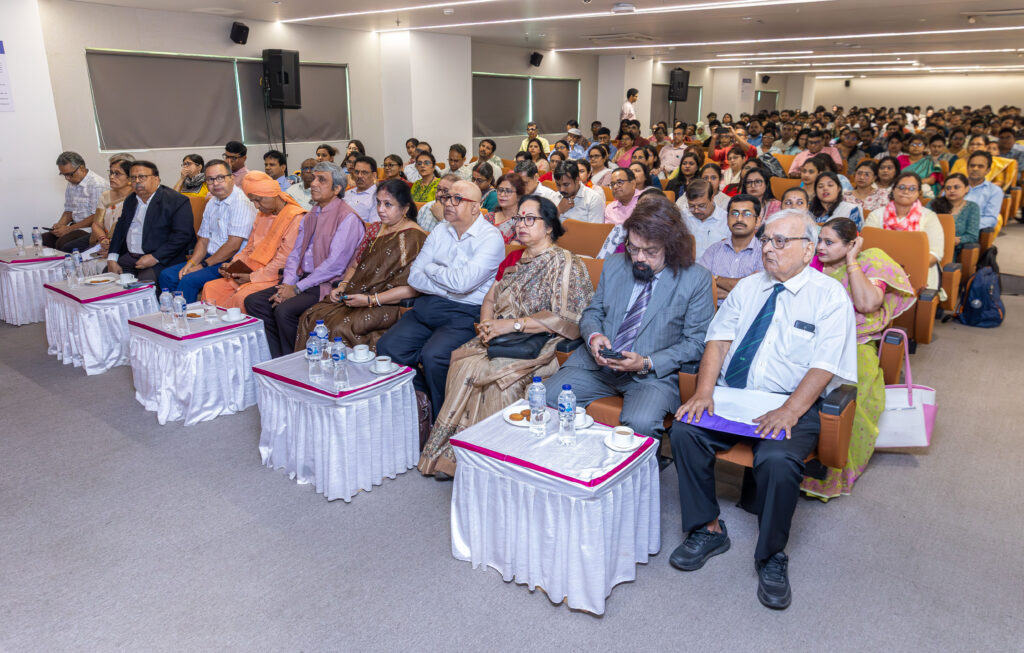

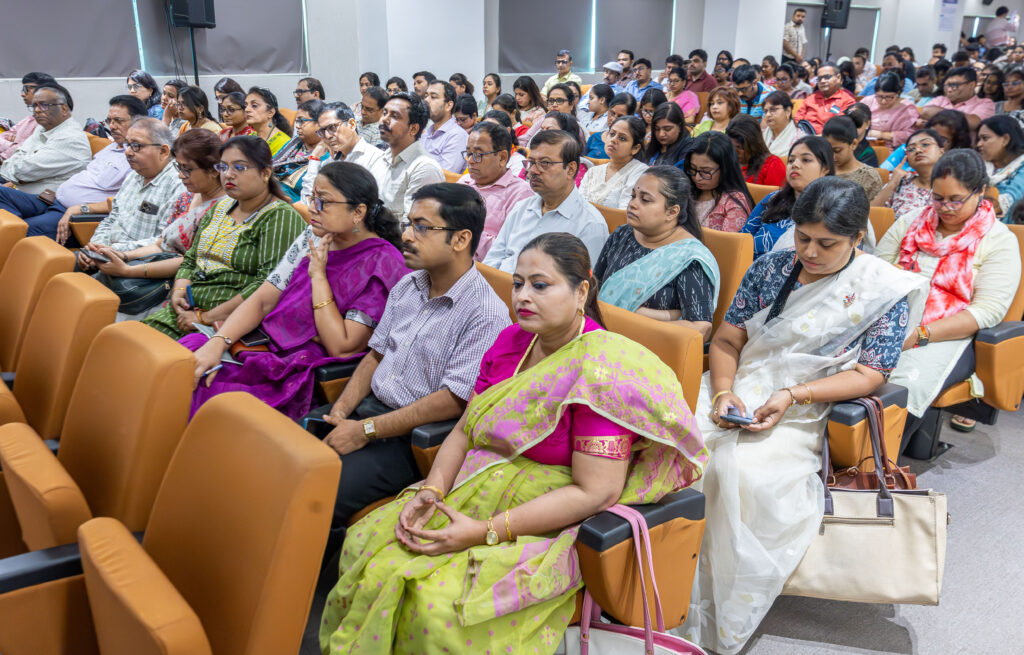
Throughout the colloquium, participants engaged in meaningful conversations on reducing carbon emissions, adopting sustainable manufacturing processes, leveraging climate credit frameworks, and strengthening partnerships between academia and industry. The deliberations reflected a shared commitment to developing innovative and actionable solutions that balance environmental preservation with economic progress.
By convening experts from diverse fields under one roof, Techno India University once again demonstrated its commitment to fostering research-driven dialogue on critical global issues. The colloquium not only enriched understanding of emerging sustainability pathways but also reinforced the university’s vision of nurturing responsible leadership, innovation, and environmental consciousness for a greener future.
The event concluded with a vote of thanks delivered by Prof. (Dr.) Sujoy Biswas, Registrar, TIU, WB, marking the successful culmination of a thought-provoking and impactful gathering dedicated to advancing climate-conscious development.