
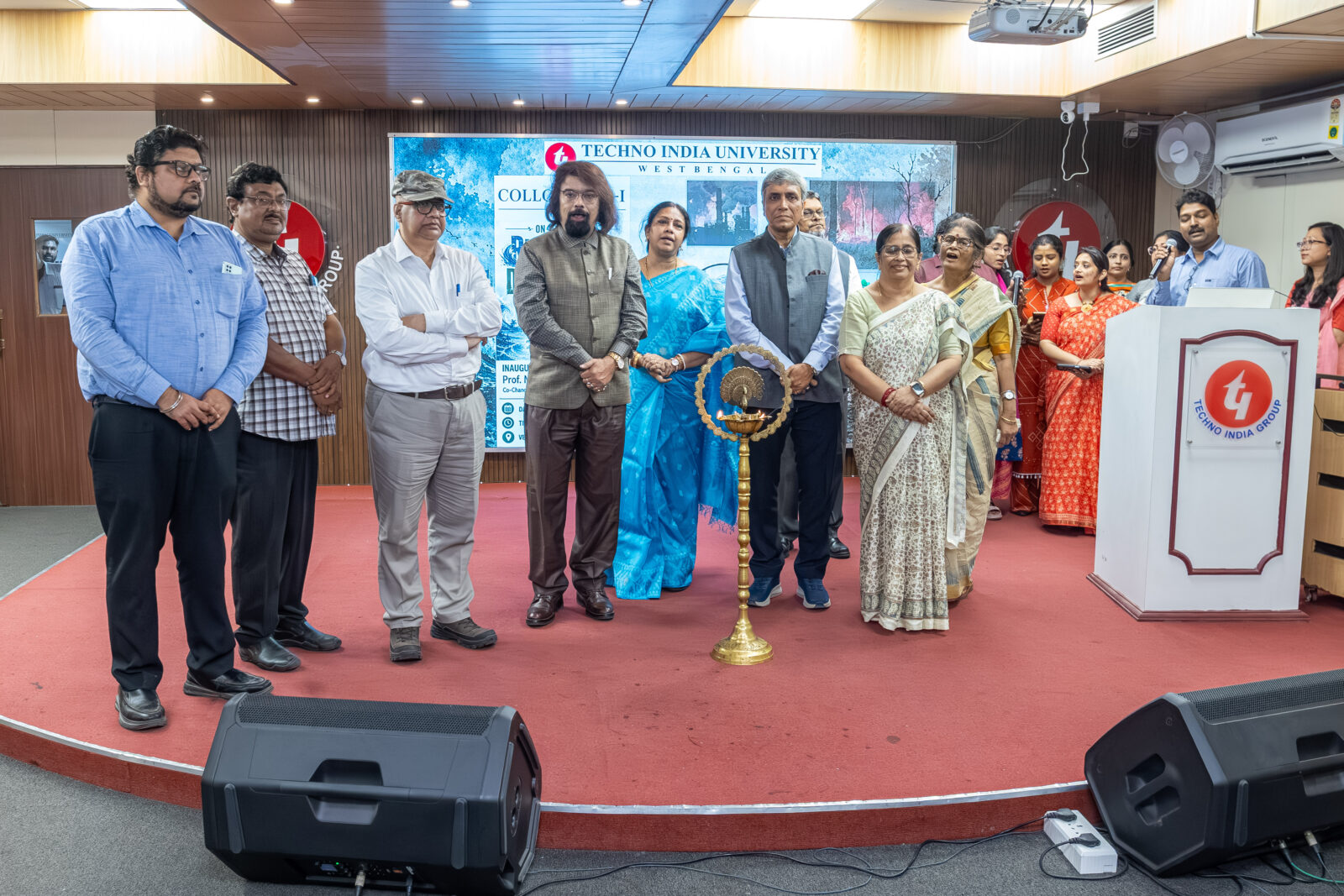
At a time when climate conversations are no longer optional but urgent, Techno India University, West Bengal hosted Colloquium-I on 24 April 2026, centered on the compelling theme “Rising Tides, Dying Forests: A Journey Through the Vanishing World.” Organized jointly by the Departments of Biotechnology, Microbiology, Geospatial Science, and Agriculture Science in collaboration with IQAC, the event marked the beginning of a monthly academic initiative aimed at enhancing faculty interaction and quality development.
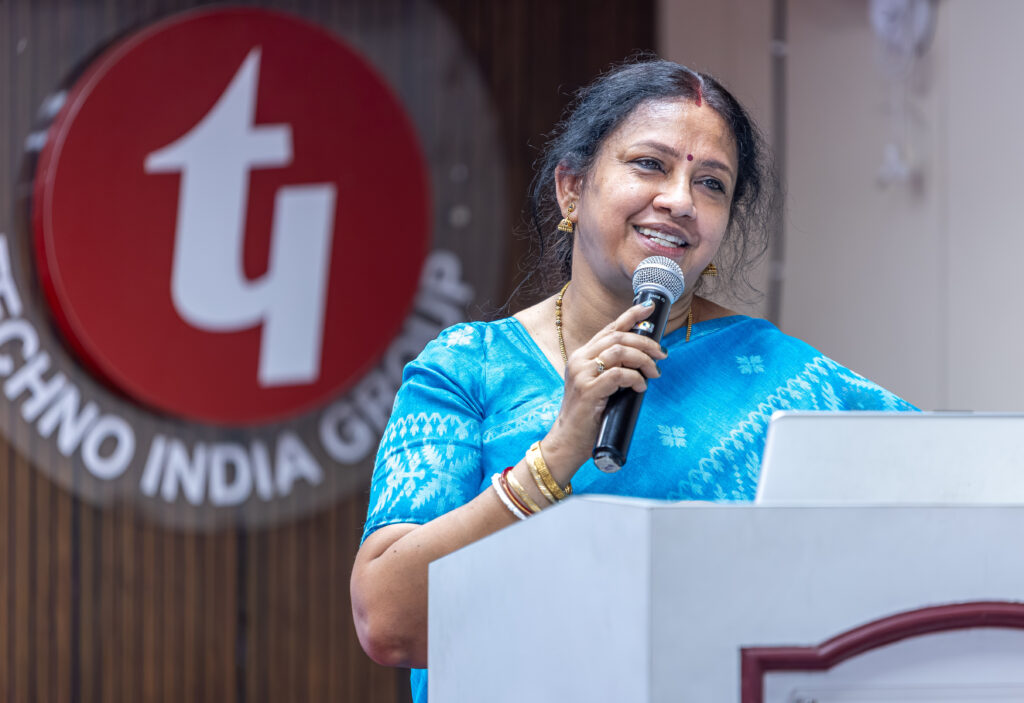
The colloquium was formally inaugurated by Co-Chairperson of Techno India Group Prof. Manoshi Roychowdhury, whose vision set the tone for an engaging and reflective session. In her address, she highlighted the deeper dimensions of the crisis, stating, “The future truly depends on what we choose today… because climate change isn’t just about the environment, it’s about our lifestyles, values, and how we care for the world around us.” Her words underscored the idea that sustainability begins with conscious everyday choices. She further added that rising global challenges are not just warnings but signals of transformation, where each individual action, whether conserving resources or spreading awareness… plays a role in protecting communities, dignity, and future generations. Emphasizing the institutional role, she noted that staff members are key in guiding and inspiring collective responsibility toward sustainable living.
The highlight of the session was an insightful lecture delivered by Vice Chancellor Prof. (Dr.) Saikat Maitra, who spoke on Climate Change and its Impact on Culture. His presentation connected environmental changes with deeper cultural and human consequences. He stated, “Nature is no longer just green… it is warning us, as climate change threatens our environment, cultures, and future generations.” Urging immediate action, he added, “Every choice we make… to act, conserve, and care… shapes the world we leave behind.”
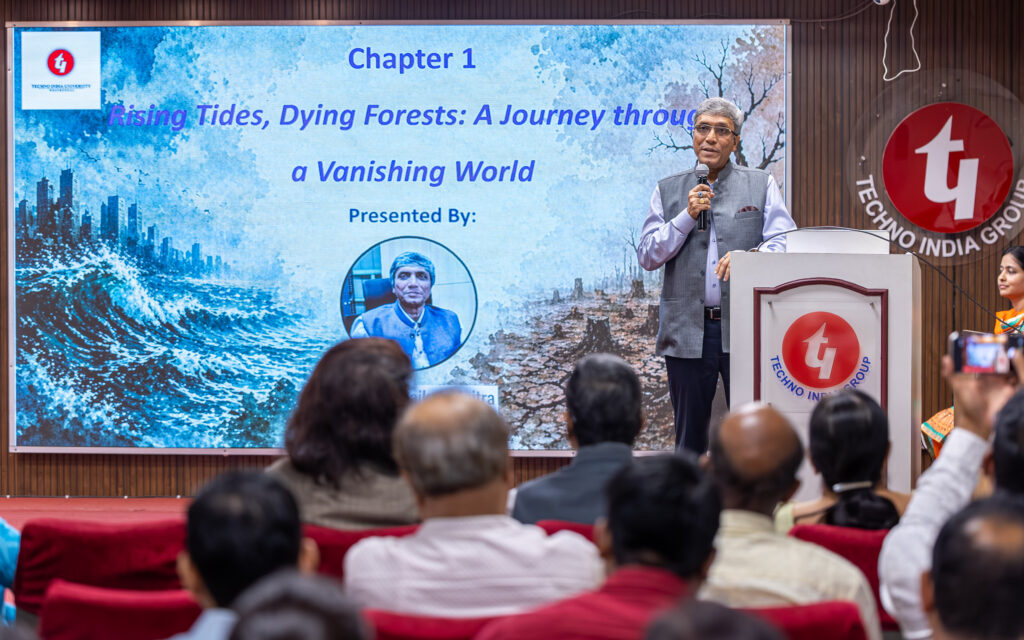
Drawing from his scholarly perspective, his lecture reflected on how the Earth once functioned in a natural rhythm – where forests, oceans, and ecosystems existed in balance. However, with industrialization, rapid urbanization, and the overuse of natural resources, this balance has been disrupted, leading to environmental degradation, global warming, and biodiversity loss. He highlighted that we are now living in the Anthropocene, an era defined by human impact on Earth, where rising sea levels, changing ocean patterns, and vulnerable regions like the Sundarbans are already witnessing irreversible changes.
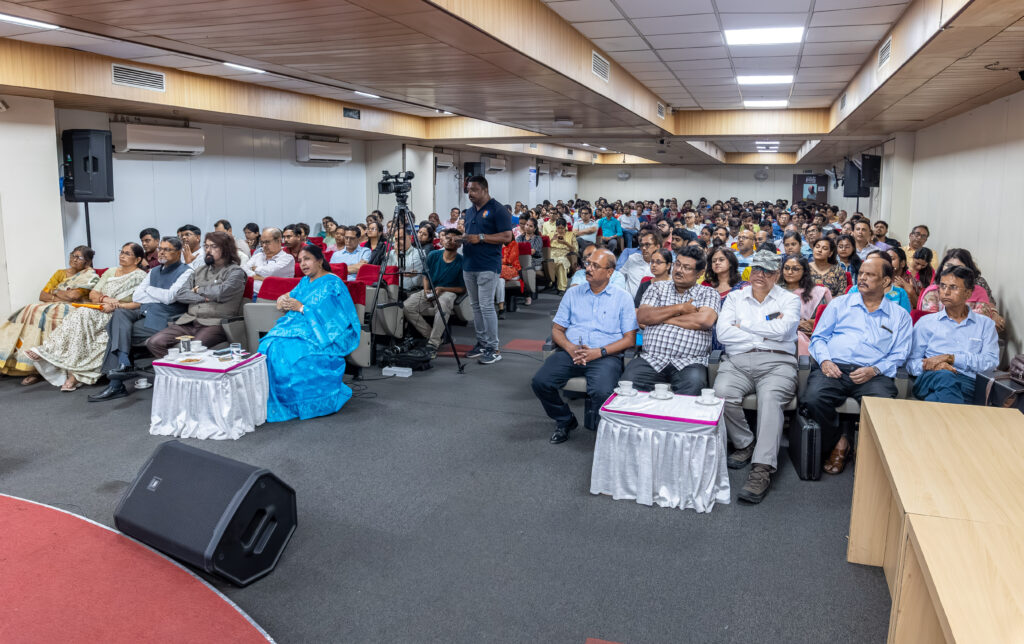
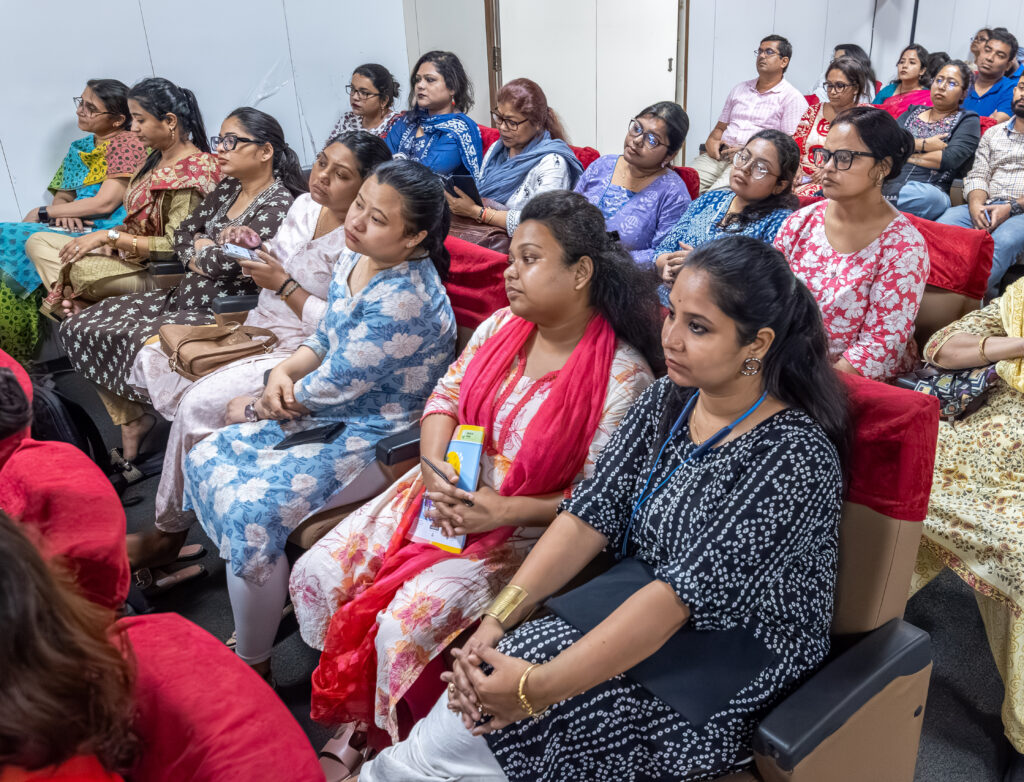
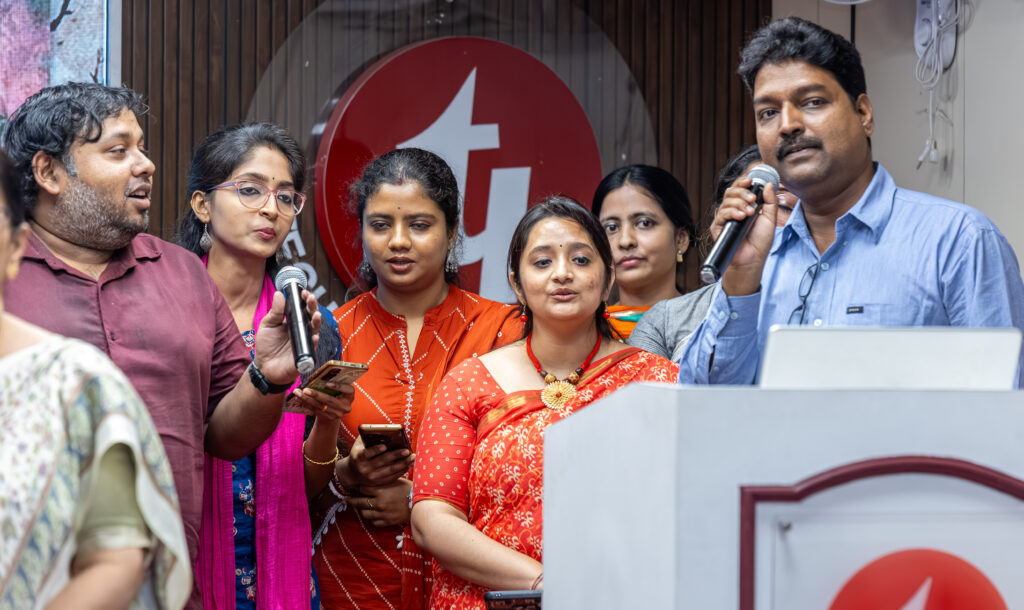
The session captivated an audience of around 300 faculty members and senior officials, who remained engaged throughout the discussion. The lecture also echoed broader concerns highlighted in contemporary environmental discourse – how human-driven changes have disrupted the natural balance of the planet, leading to rising sea levels, biodiversity loss, and increasing vulnerability of communities.
The colloquium reflected more than just an academic gathering – it showcased the university’s commitment to addressing real-world challenges through knowledge, dialogue, and action. It reinforced the idea that education at Techno India University goes beyond classrooms, preparing individuals to think critically, act responsibly, and contribute meaningfully to society.
As the first in its series, Colloquium-I has set a strong foundation for future engagements. With plans to host such sessions every month, the university aims to create a continuous platform for intellectual exchange, awareness, and collaborative growth.
The colloquium concluded not just as an event, but as a powerful reminder of the responsibility we all share. It brought forward a collective realization that climate change is no longer a distant concern – it is a present reality shaping our world and our future. With the guidance of visionary leaders, dedicated staff, and an aware academic community, Techno India University is taking meaningful steps toward building a culture of sustainability.
In the end, the message remains clear and deeply human – the future is not something we wait for, but something we create through our choices today.