
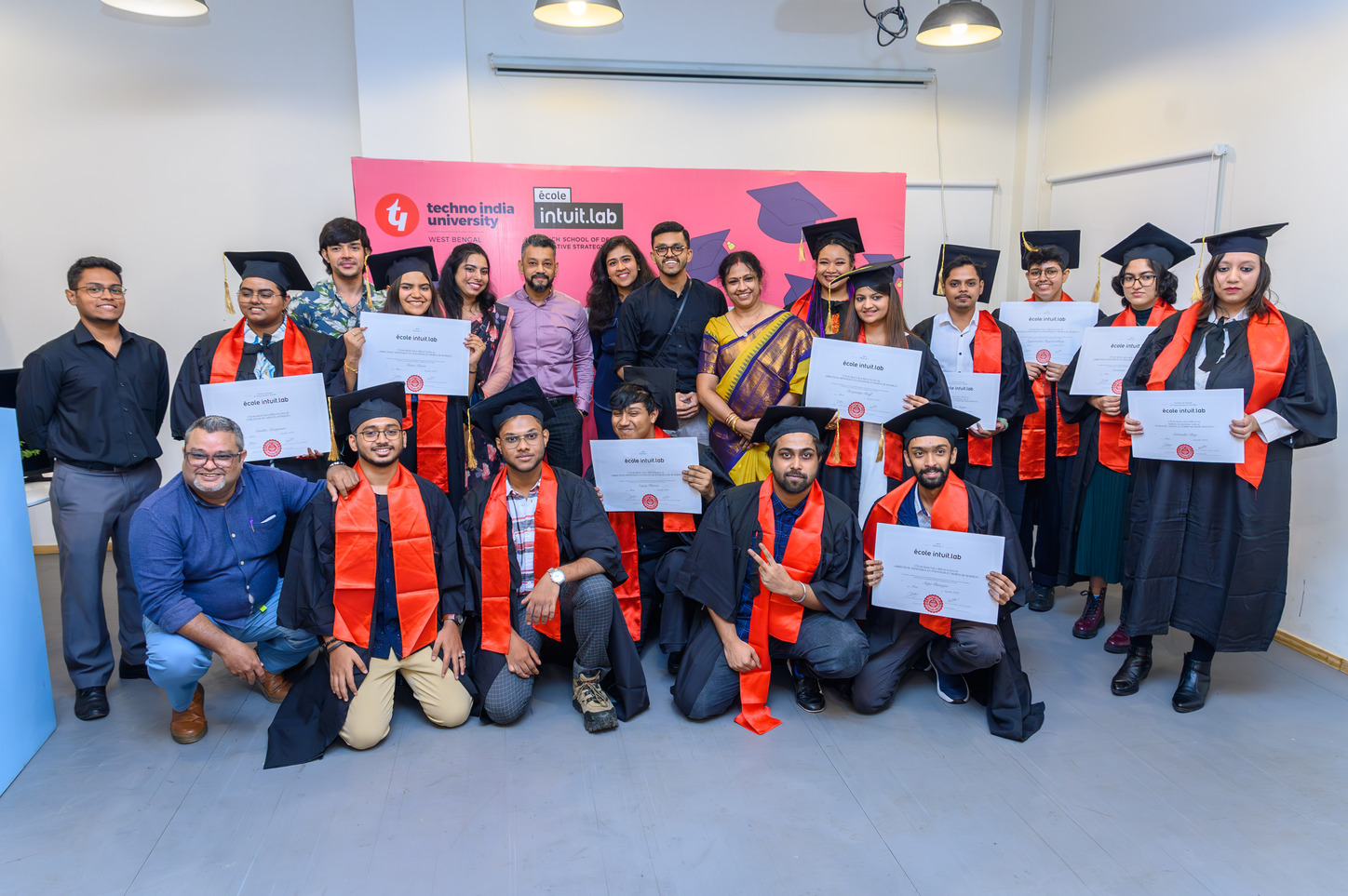
If you are searching for a design course in Kolkata, here is the clear answer: choose a college that offers industry-focused curriculum, global exposure, strong placements, experienced faculty, modern infrastructure, proper accreditation, and real-world learning opportunities. These seven factors decide whether your design degree builds only creativity—or builds your career too.
Design is not just about drawing well. According to the India Brand Equity Foundation (IBEF), India’s creative economy and digital sector are growing rapidly, creating strong demand for skilled designers in UX, animation, branding, gaming, and digital media. That’s why selecting the right college matters more than ever.
Let’s break down the seven most important factors.
1. Curriculum That Matches Industry Needs
Before choosing any design course in Kolkata, carefully check the syllabus. A good curriculum should balance fundamentals like color theory, typography, and design thinking with practical skills like UI/UX tools, animation software, or product prototyping.
At École Intuit Lab, students can pursue B.Des in:
- Visual Communication & Digital Design
- Game Art & Design
- Digital Product Design
- Animation & Motion Design
There is also an M.Des in Advertising, Design & Digital Communication.
These programs combine creative thinking with digital execution—exactly what today’s employers expect.
2. Accreditation & Degree Recognition
A design degree must be recognized nationally and globally. Accreditation ensures your qualification holds value in the job market.
Look for approvals from bodies like:
- AICTE
- UGC
Programs that are AICTE-accredited and UGC-approved meet academic quality standards. Recognition also helps if you plan to pursue higher education or work abroad.
3. International Exposure & Global Learning
Design is global. Trends, technology, and creative standards evolve worldwide.
École Intuit Lab offers:
- International diploma with European credits
- Student exchange programs to France
- International workshops by global industry professionals
- Internship opportunities that may include global exposure
Exposure to global markets improves your portfolio and mindset. It helps you think beyond local boundaries.
4. Internship & Placement Support
A design degree should lead to a career—not confusion.
Strong colleges offer:
- Live projects
- Internship programs (preferably more than one)
- Corporate tie-ups
- Dedicated placement support
École Intuit Lab includes two internships during the course—one in the second year and another in the final year. Longer internships help students build serious portfolios.
Global companies associated with the institution include brands like Ogilvy, Vogue, and Starbucks, among others.
When reviewing placements, check:
- Average salary
- Core design roles
- Portfolio quality of graduates
5. Faculty with Industry Experience
Design is best learned from professionals who have worked in the field.
Good faculty members:
- Have real industry experience
- Bring case studies into classrooms
- Guide portfolio development
- Mentor students personally
A design school in Kolkata that blends academic structure with professional mentoring helps students understand real client expectations.
6. Infrastructure & Creative Environment
Creative learning requires the right environment.
Look for:
- Modern studios
- Digital labs
- Animation and gaming setups
- Photography and editing suites
- Collaborative learning spaces
Located in Salt Lake, Kolkata, the campus under Techno India University provides a spacious and vibrant learning atmosphere. A well-designed campus inspires creativity and experimentation.
An added advantage? Students receive an iPad at the time of admission—helping them adapt quickly to digital workflows.
7. Specialisations That Match Future Trends
Design careers today go beyond traditional graphic design.
High-demand design fields include:
- UX/UI Design
- Game Design
- Motion Graphics
- Digital Product Design
- Branding & Advertising
According to LinkedIn’s job trend reports, UX and digital product design roles continue to grow steadily across tech and startup sectors.
Choosing a design course in Kolkata that offers specialized tracks helps you build expertise early instead of remaining general.
Why Kolkata Is a Smart Choice for Design Education
Kolkata, known as the cultural capital of India, has always nurtured art, literature, cinema, and creative thinking. Studying design here means learning in an environment rich in artistic heritage.
Salt Lake, especially, has become an educational and IT hub—offering exposure to both creative and technological industries.
Frequently Asked Questions
1. What is the duration of a B.Des program?
Typically, a B.Des program lasts four years, including internships and portfolio development.
2. Can I pursue a master’s after B.Des?
Yes. Many students opt for M.Des in specialized fields like digital communication or advertising.
3. Is portfolio important for admission?
Yes. Most design colleges assess creativity through entrance exams and portfolio submissions.
4. What careers can I pursue after graduation?
You can become a UX Designer, Visual Designer, Game Artist, Motion Graphic Designer, Product Designer, or Brand Strategist.
Final Thoughts
Choosing the right design college in Kolkata is about more than brochures or campus photos. Focus on curriculum, accreditation, faculty, internships, infrastructure, global exposure, and specialization options.
A design school that combines international standards with strong academic backing—like École Intuit Lab x Techno India University—offers both creative growth and career readiness.
Design is taught everywhere. But in the right environment, it is lived.
And when creativity meets structure, your future becomes more than a degree—it becomes a profession.