
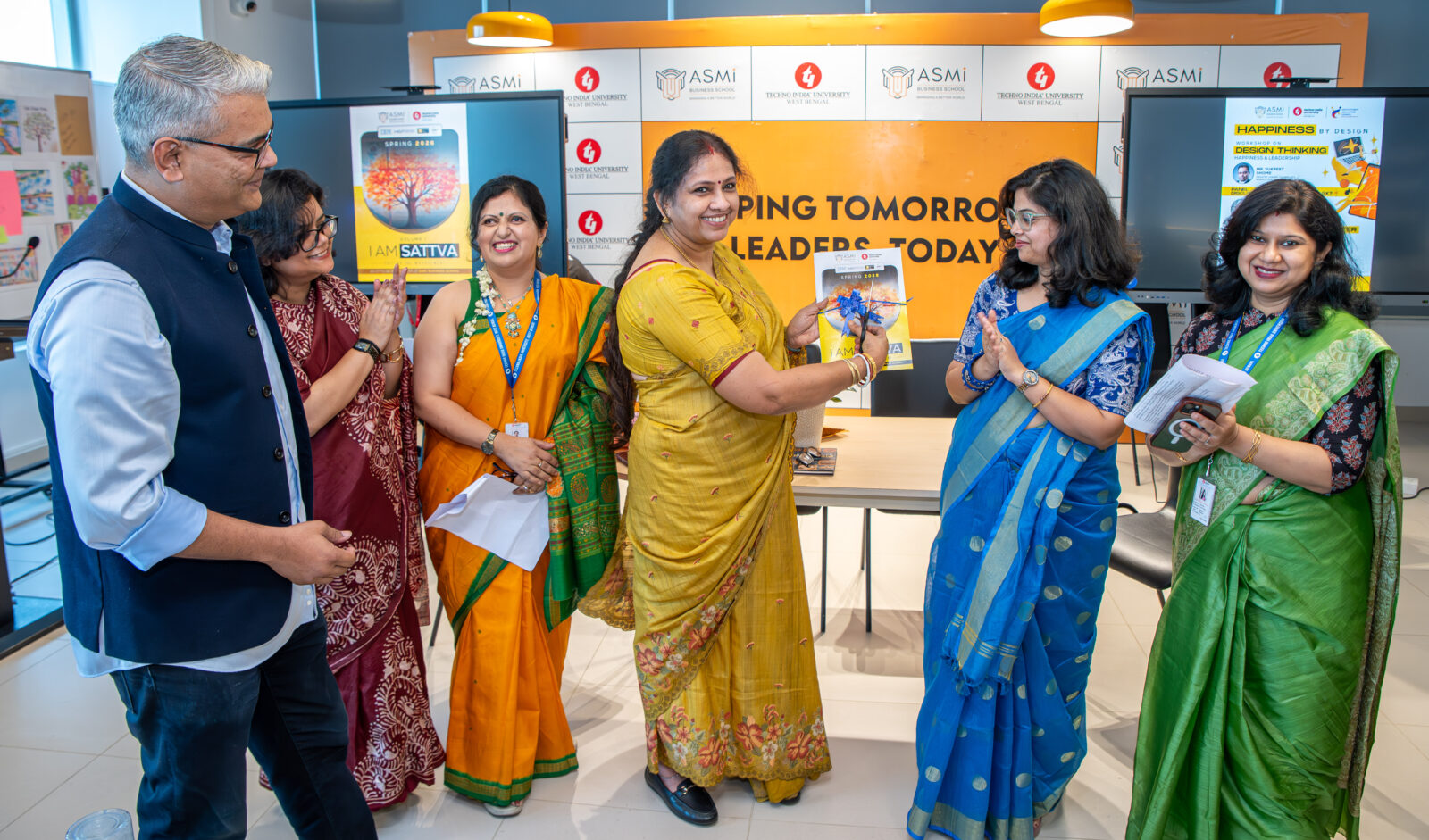
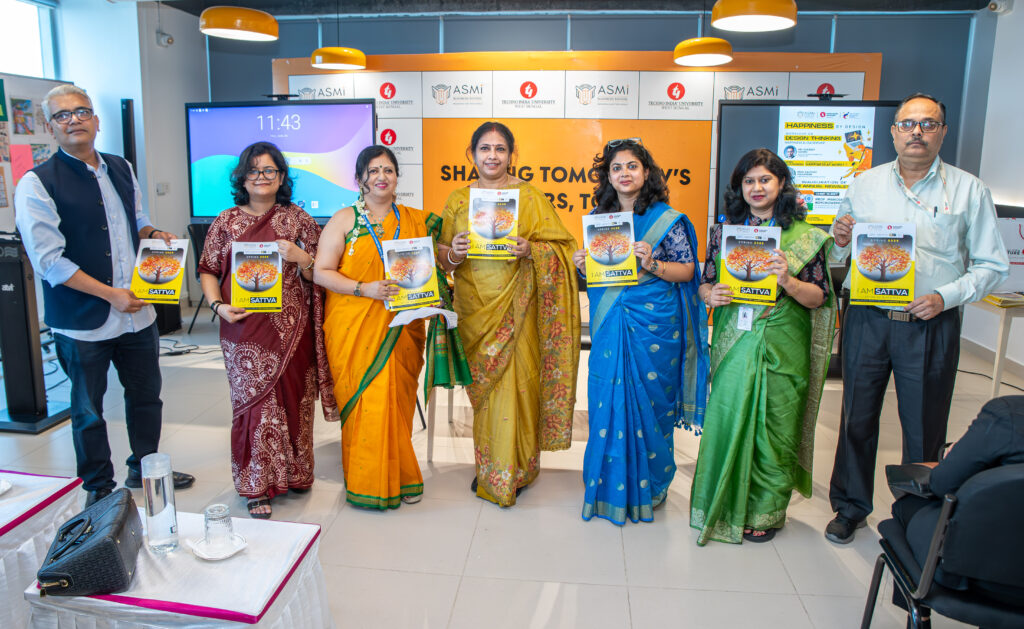
At a time when success is often measured by outcomes and achievements, ASMi Business School, an initiative of Techno India University and the Institution’s Innovation Council, is reimagining what truly matters – bringing the focus back to happiness, purpose, and meaningful growth through Happiness by Design.
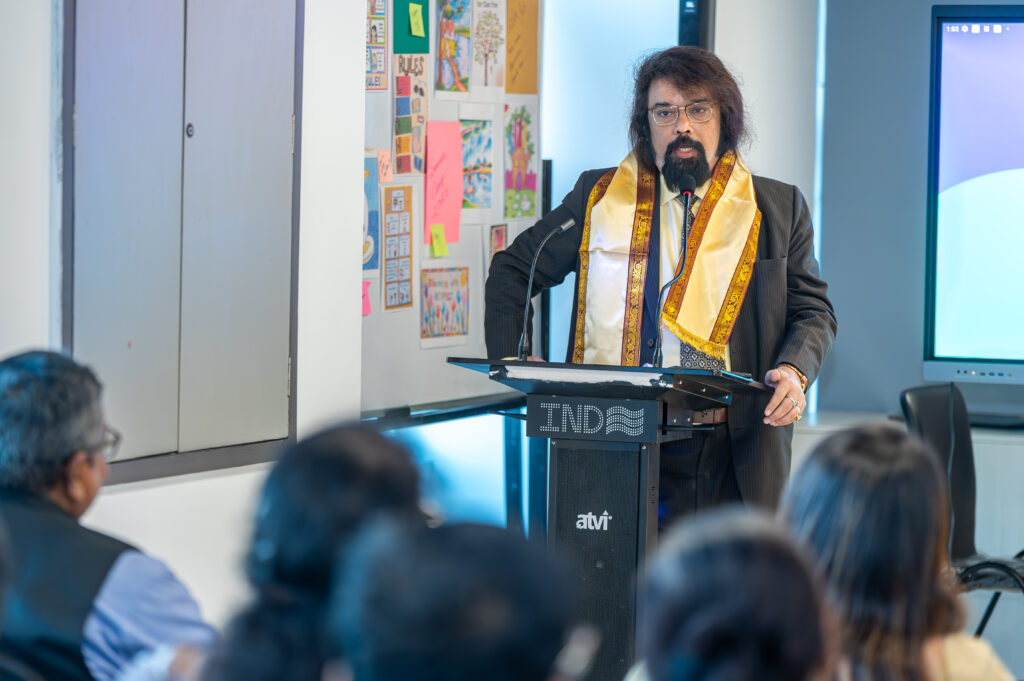
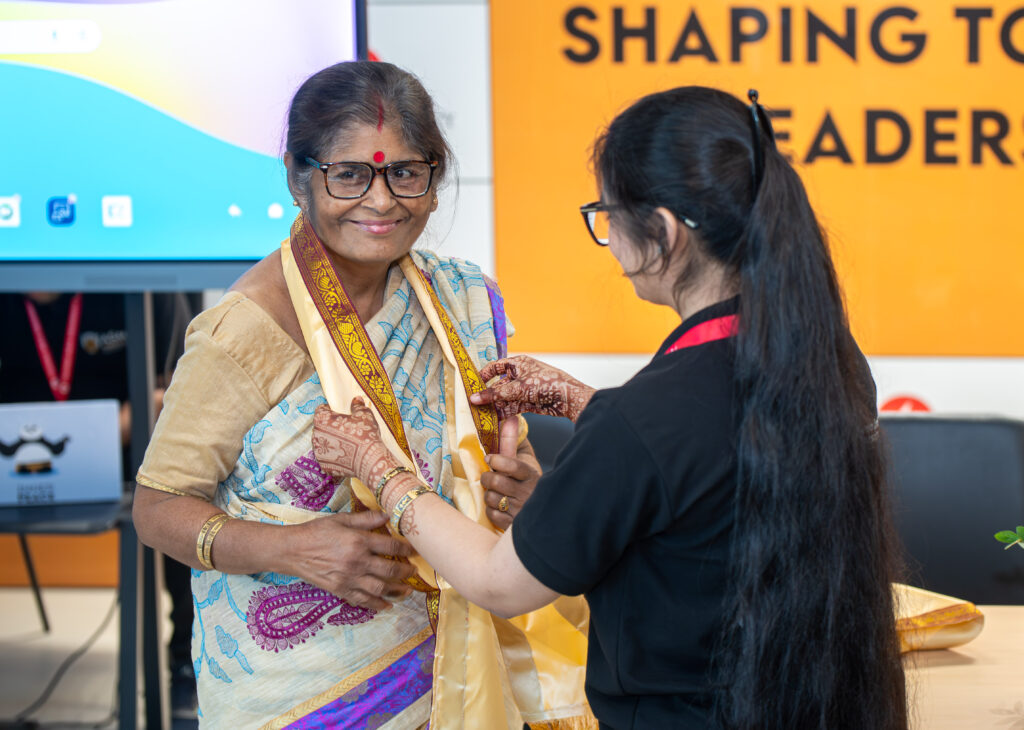
The session features Prof. Manoshi RoyChowdhury, Co-Chairperson, Techno India Group & Co-Chancellor, Techno India University, as Chief Guest, along with insights from Mr. Sukreet Shome, Industry Leader and Member of ISTD, NHRDN & CMA and Prof. Kaustav Majumdar, Chief Mentor, ASMi Business School. The session also brought valuable insights from Prof. (Dr.) Rina Paladhi, Director–Academics and Prof. (Dr.) Sujoy Biswas, Director and CEO of Techno India University.
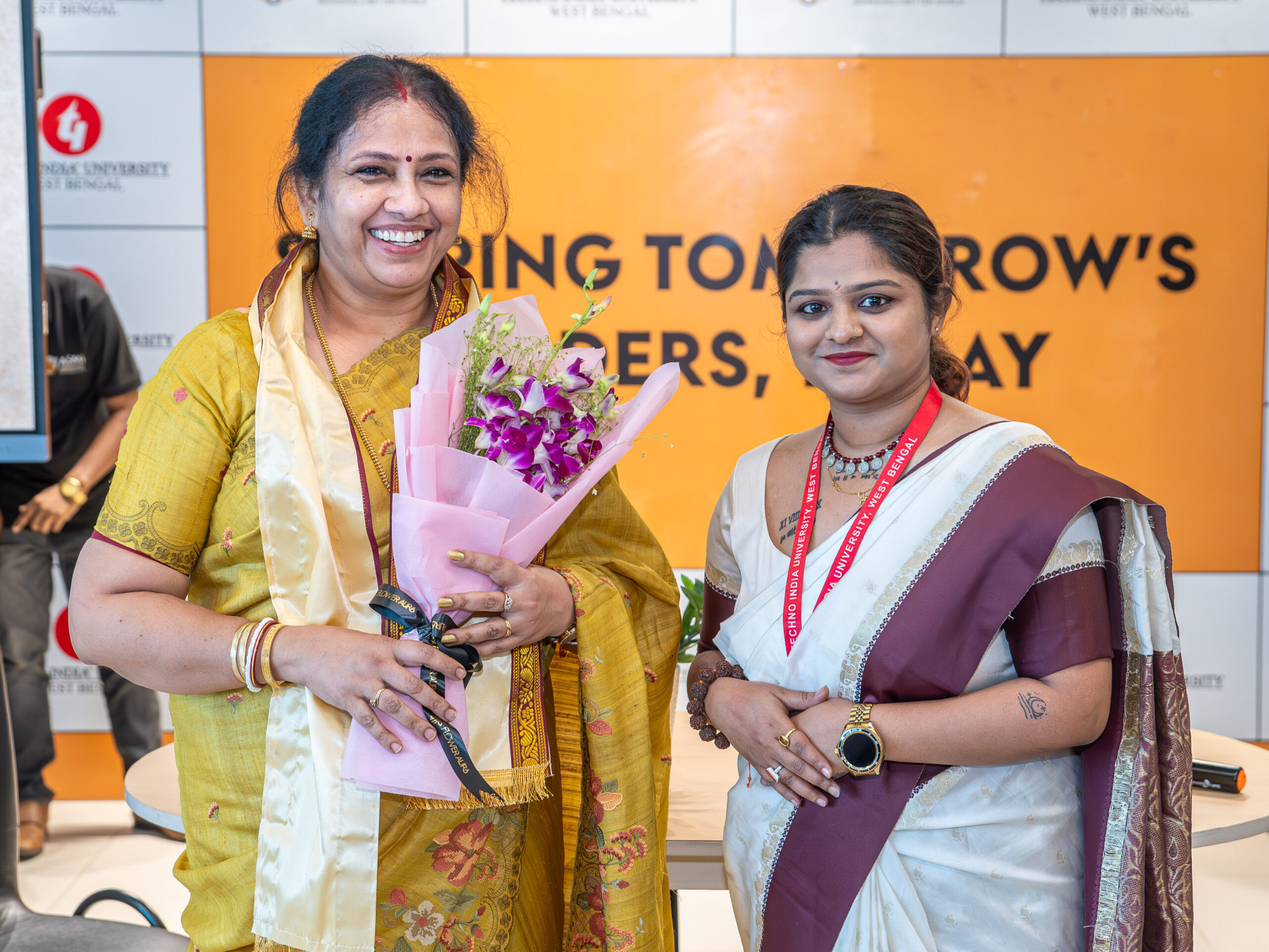
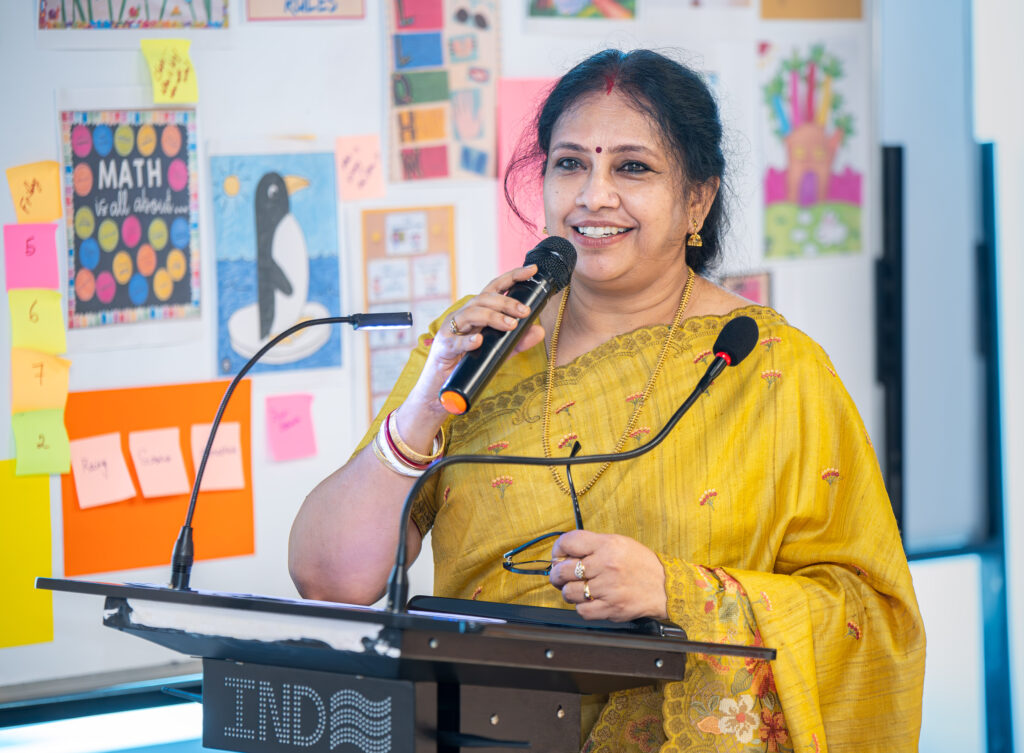
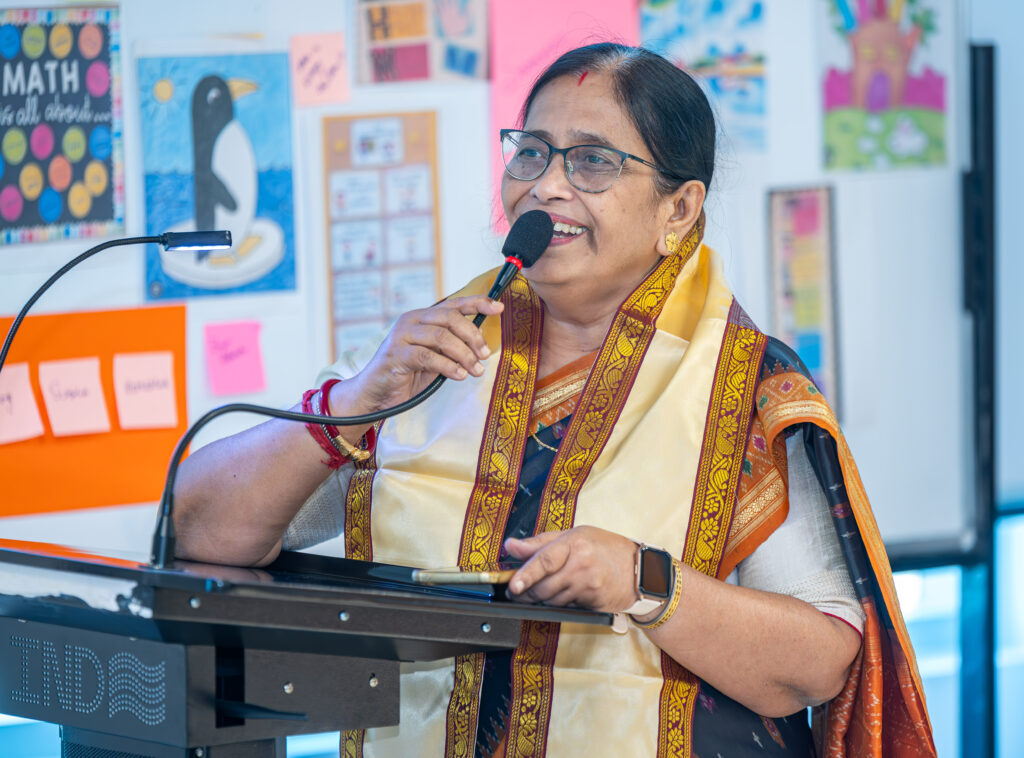
Prof. Manoshi RoyChowdhury, shared Returning to this vibrant space, she reminds us that Techno India Group was never merely about infrastructure or achievements, it was always about nurturing a culture where growth is defined by happiness and self-realization.
As she reflects, “The thought was right, the journey is right – because it is shaped by people who bring meaning to it.” She emphasizes that true confidence is born when aspirations meet action: “When your dreams begin to take shape in reality, they gift you confidence.” In a world preoccupied with designing careers and outcomes, she urges us to focus on something far more fundamental: “We spend our lives designing success, perhaps it is time we start designing our happiness.” For her, leadership is deeply rooted in people: “When you nurture happiness within your people, you unlock their true potential,, and that is real success.” At the heart of her philosophy lies a powerful belief: “We did not begin with a structure; we began with a belief. ‘I am’ is not a statement… it is a question: who are you becoming?” And perhaps the most profound takeaway: “Happiness is not a reward that follows success; it is a discipline we must consciously cultivate.”
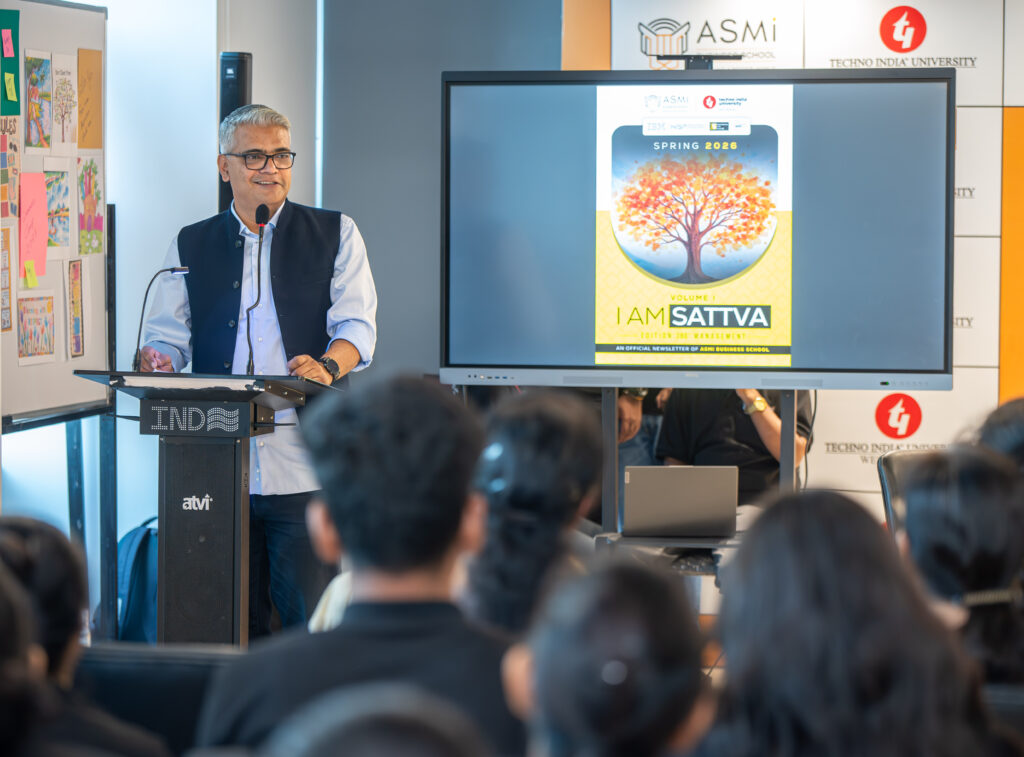
Prof. Kaustav Majumdar, Chief Mentor at ASMi Business School, brings in the philosophy of inner balance and awareness. In today’s fast-paced, noisy world, he reflects on what we are truly missing – “silence.” Yet, he clarifies that true balance is not about escaping noise, but about cultivating the ability to remain undisturbed within it. This state, which he refers to as Sattva, represents clarity, calmness, and conscious living. Drawing a poetic analogy, he shares, “music is not the notes, music is the gaps between the notes,” reminding us that meaning often lies in stillness. He challenges the conventional idea of success, stating, “It is a misconception that happiness is achievement; how we achieve what we achieve determines the outcome of our happiness.” Through this lens, happiness becomes something we nurture within ourselves, not something we chase externally. As mentors, the goal at ASMi is clear – to guide students not just toward careers, but toward a more grounded and mindful way of living, where happiness is recognized, cultivated, and shared.
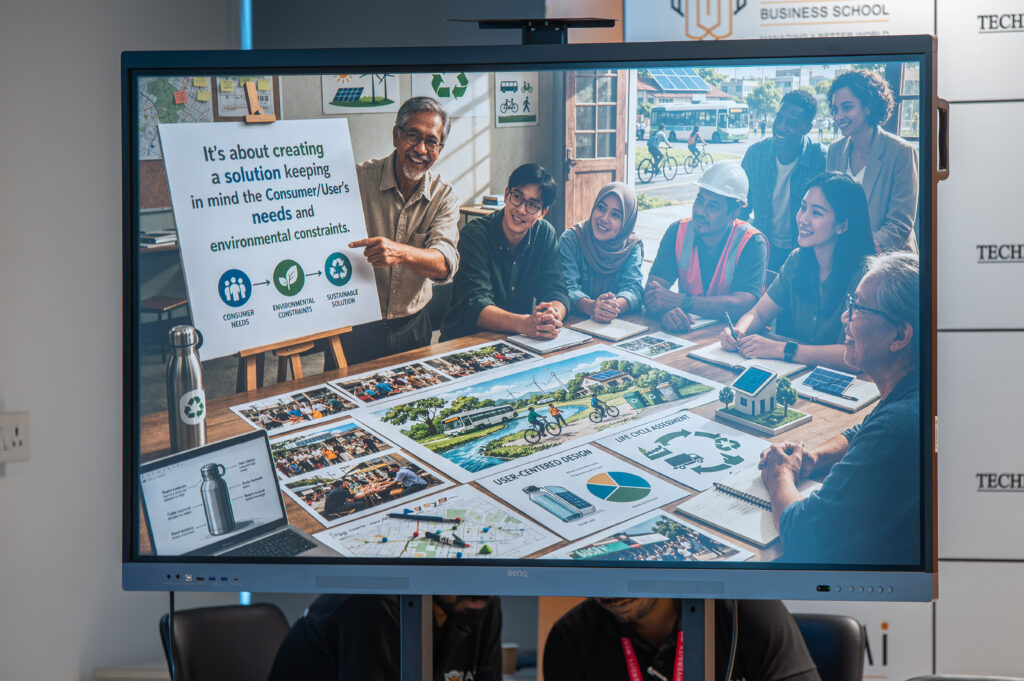
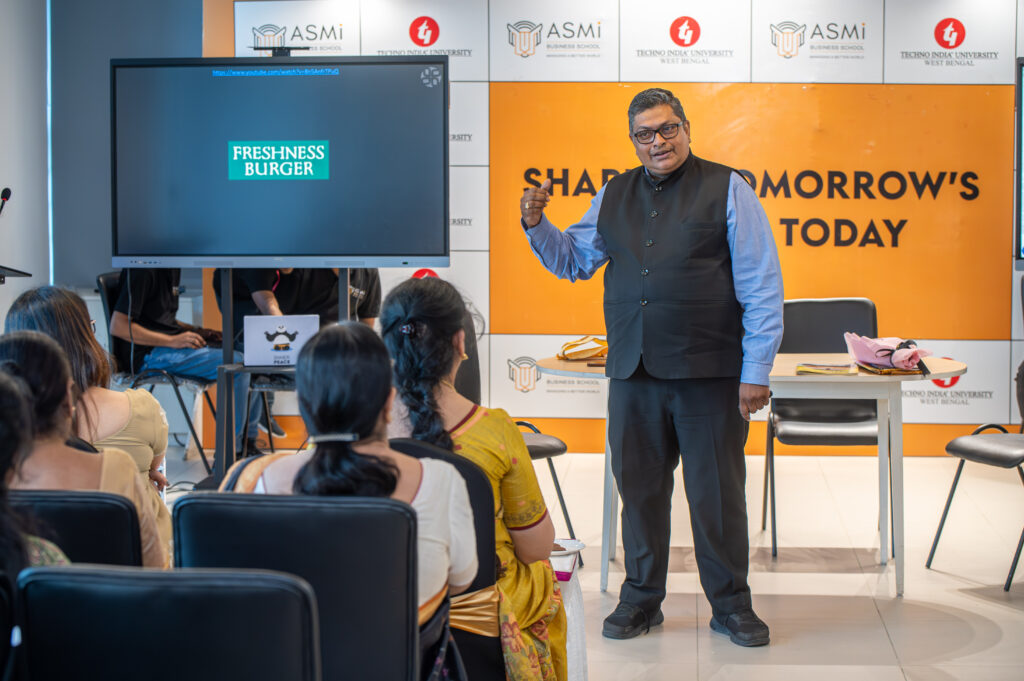
The workshop features Mr. Sukhreet Shome, Industry Leader and Member of ISTD, NHRDN & CMA, who brings a practical, industry-driven perspective to the discussion. Through his journey, one belief has remained constant: “Happiness comes when you are happy doing what you want to do,” and more importantly, “Success comes only when you are happy doing what you are doing.” He connects design thinking with human behavior and leadership, emphasizing that openness and expression are key- “When you are happy, you talk – you don’t sulk. ”In both life and business, challenges are inevitable. But as he puts it, “the biggest happiness comes when the obstacle moves, and we move forward.” Progress itself becomes a source of joy. For him, design thinking is not just a framework – it is “a process, a habit, a culture. ”It is something practiced daily, shaping how we approach problems and create solutions. At its core, “design thinking is not about changing people, it is about changing the way we think.” And in that shift lies the power to build empathetic, impactful, and future-ready solutions.
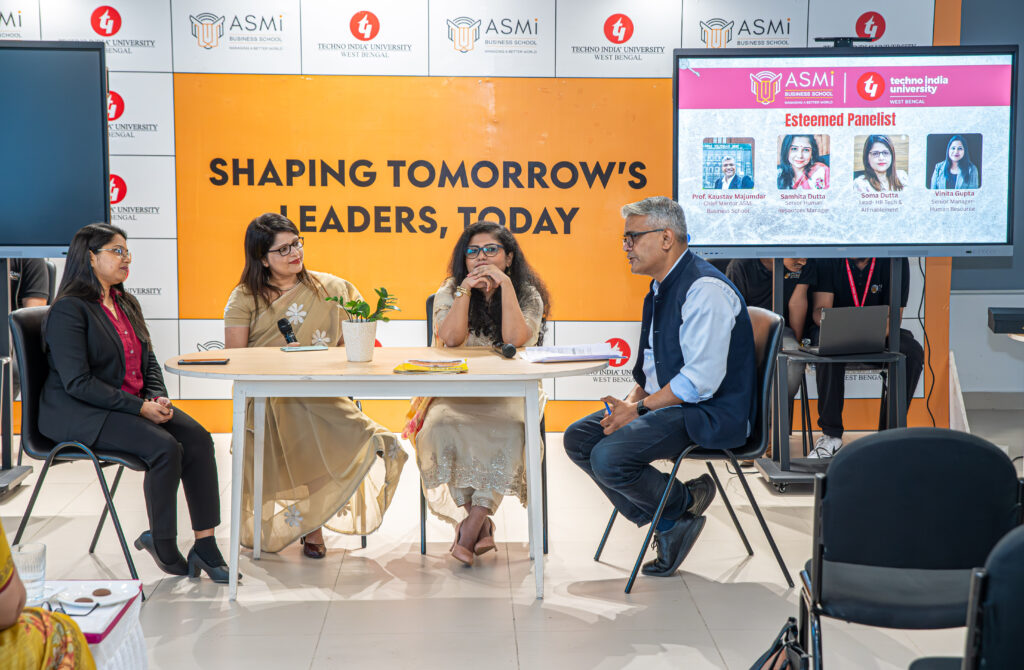
The panel discussion brought together Prof. Kaustav Majumdar, Sanchita Dutta, Soma Dutta, and Vinita Gupta around a thought-provoking question – “Do we need to innovate happiness at work?” As workplaces evolve, the conversation highlighted a powerful idea that everything we seek… success, strength, even peace, ultimately leads to happiness. The panel emphasized that happiness is deeply personal – What fulfills one may not fulfill another, but it always comes from within – underscoring the need for more human-centric and adaptable workplaces. The role of leadership emerged as a key theme, shifting from authority to empathy, with reflections like “I don’t see myself just as a manager… I see myself as someone working to spread happiness.” Addressing the generational shift, panelists noted the gap in understanding younger aspirations, while also stressing individual responsibility, corporates are platforms, and one must learn how to use them. While technology enables change, the discussion concluded with a strong insight – Technology is not the solution, leaders are – reinforcing that happiness at work is not incidental, but something that must be intentionally designed.
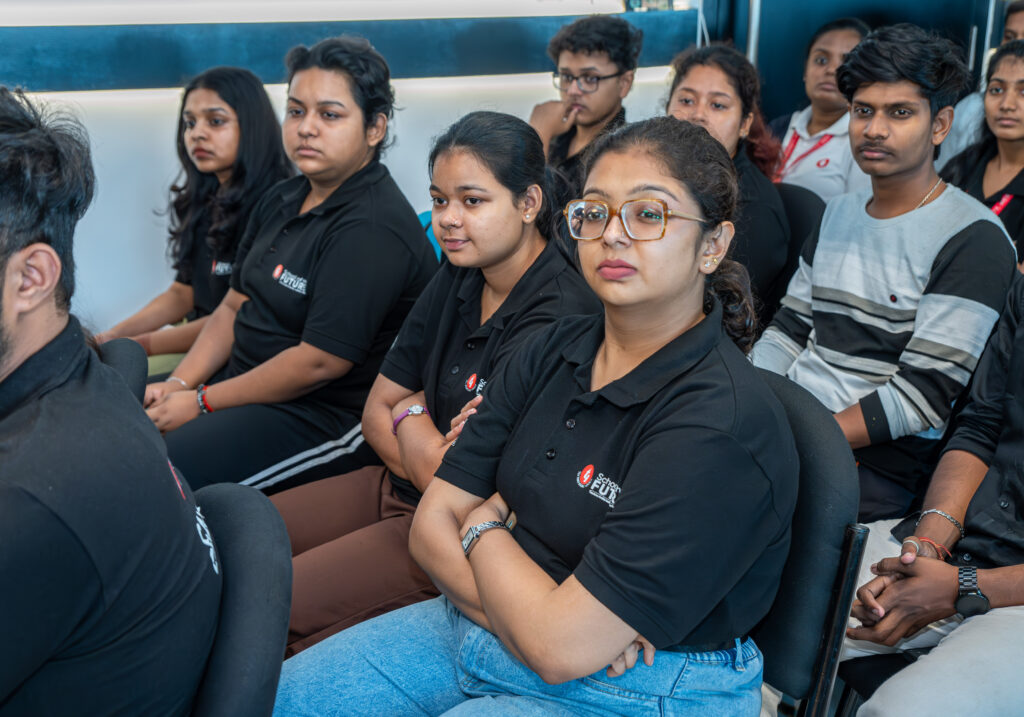
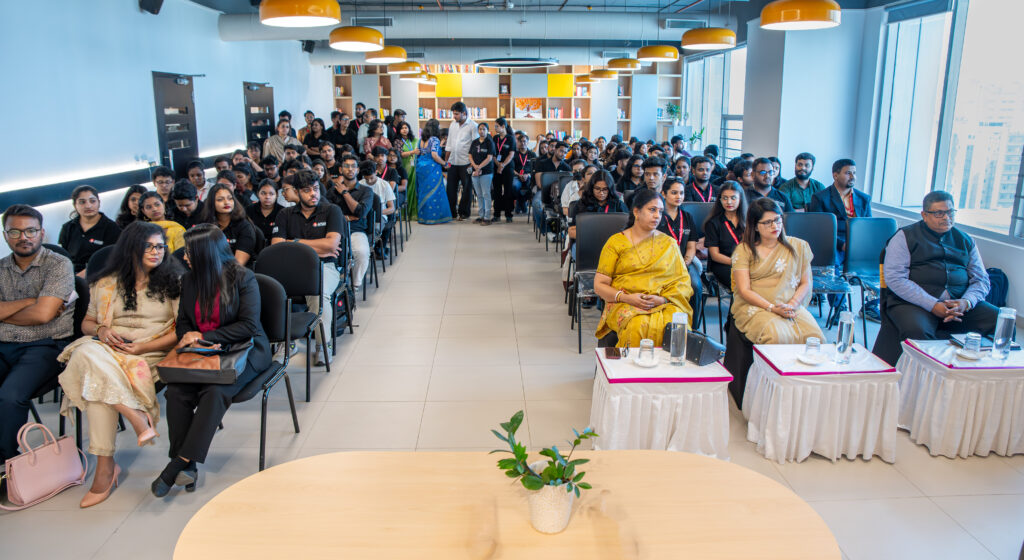
What made this session truly impactful was not just the exchange of ideas, but the environment it created – one where students were encouraged to reflect, question, and engage beyond conventional academic boundaries. The workshop transformed the space into a living dialogue, where learning was not delivered, but experienced. It reinforced the belief that education is not only about acquiring knowledge, but about understanding oneself and one’s place in the world.
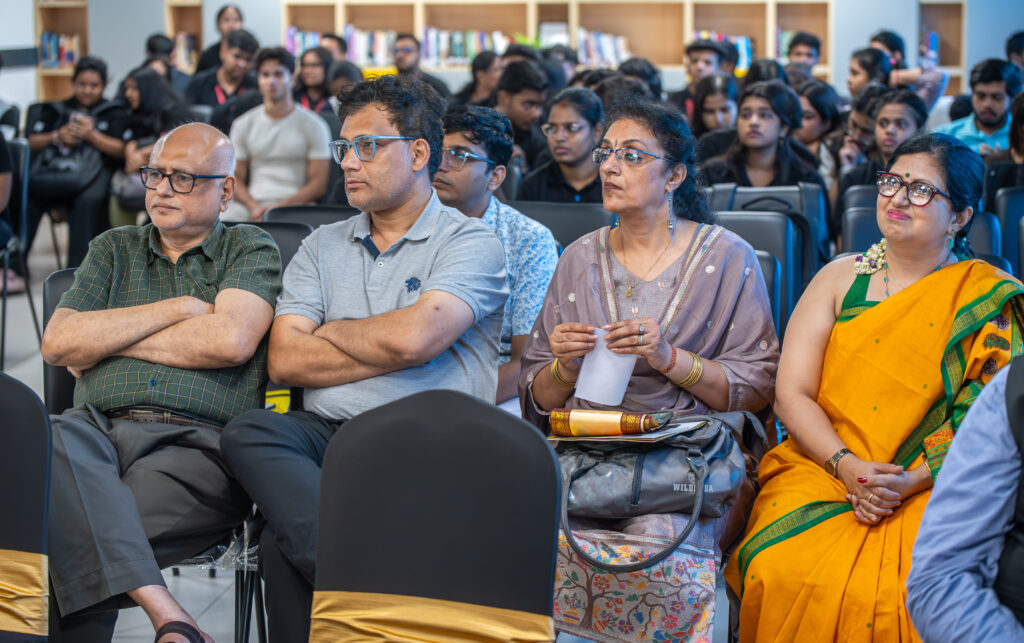
The session also stood out for its ability to blend intellectual depth with personal reflection. Students were not just listeners but participants in a larger conversation about life, purpose, and growth. As discussions unfolded, it became evident that design thinking, happiness, and leadership are not isolated ideas, but interconnected forces that shape how individuals think, act, and lead. The experience encouraged young minds to pause, introspect, and redefine their own measures of success.
This initiative reflects ASMi Business School continued commitment to redefining education by integrating values, vision, and real-world relevance into learning. By creating platforms like these, the institution is nurturing not just skilled professionals, but thoughtful individuals who are prepared to lead with empathy, resilience, and purpose.