
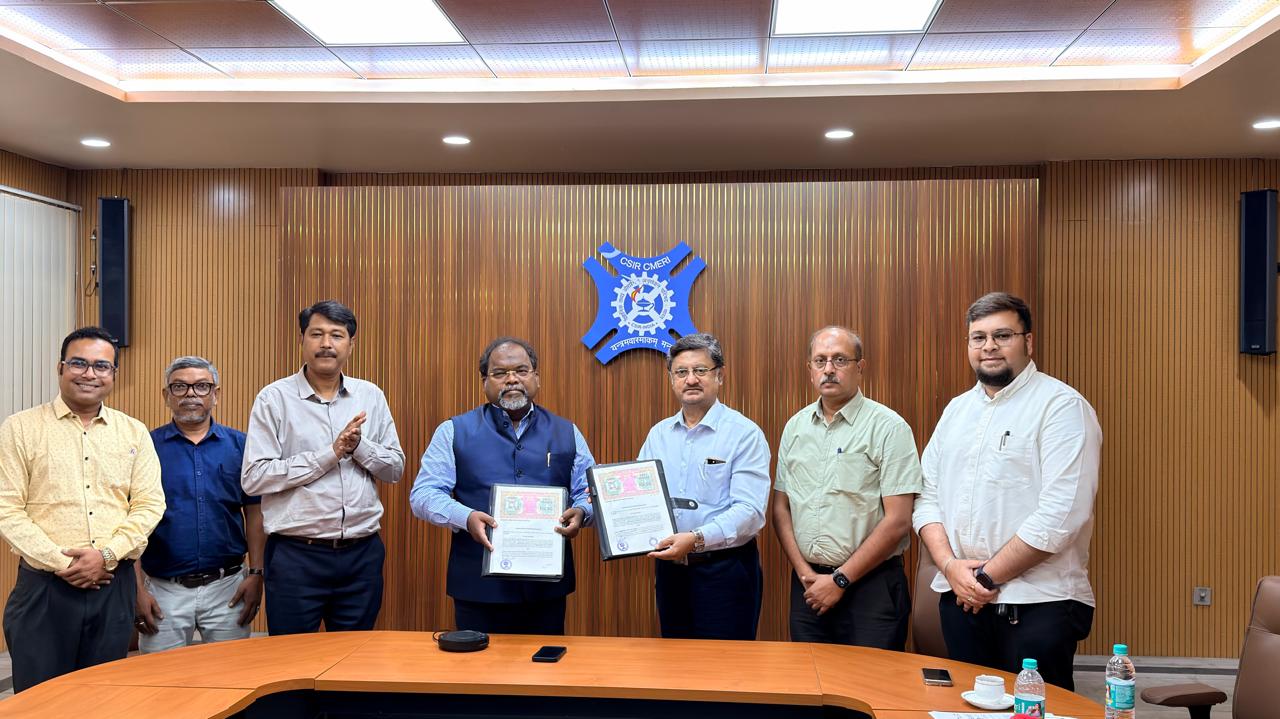
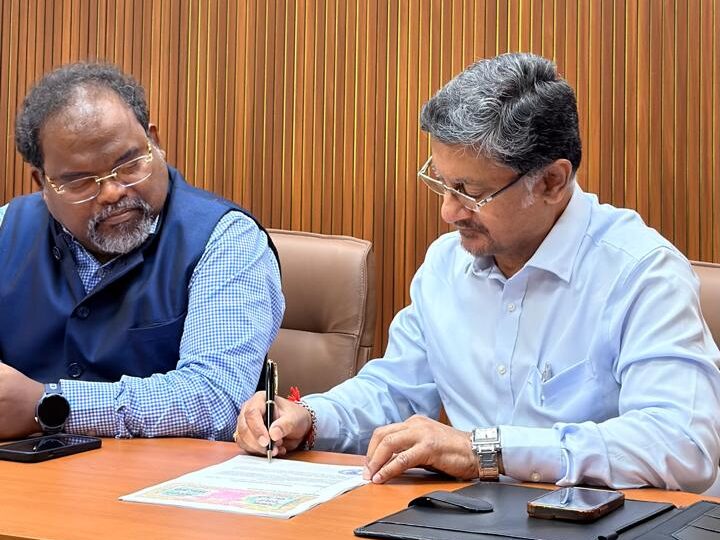
In a significant stride toward advancing research and academic excellence, Techno India University West Bengal has signed its first-ever Memorandum of Understanding (MoU) with a premier Government of India research institution, CSIR–Central Mechanical Engineering Research Institute. The MoU, formalized on 18th March 2026, represents a major milestone in strengthening industry–academia collaboration and fostering innovation-driven education.
This partnership opens up a wide array of opportunities for students and researchers alike. One of the key highlights includes internship and project opportunities for pre-final and final year students from Mechanical, Electronics and Communication Engineering (ECE), Computer Science Engineering (CSE), and Electrical disciplines. These initiatives are expected to bridge the gap between theoretical learning and practical application, equipping students with real-world experience in cutting-edge domains.
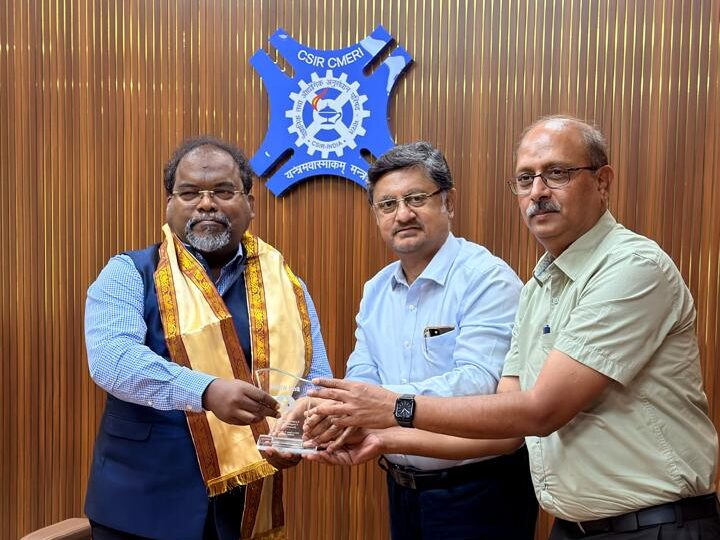
The collaboration also emphasizes academic research through joint PhD guidance, enabling scholars to benefit from the expertise of faculty members from both institutions, along with access to advanced laboratory facilities at CMERI. This move is poised to significantly enhance the quality and scope of doctoral research.
In addition, the MoU outlines plans for organizing joint conferences, seminars, and academic events, fostering an environment of knowledge exchange and interdisciplinary dialogue. Another notable aspect of the collaboration is the exploration and development of AI-based virtual laboratories, reflecting a shared commitment to integrating emerging technologies into the academic ecosystem.
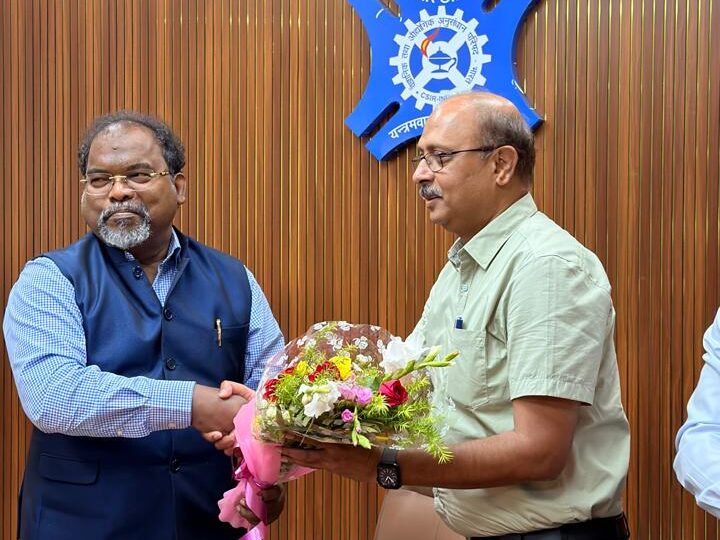
The university extended its heartfelt gratitude to Dr. Naresh Chandra Murmu, Director of CMERI, for his unwavering support and encouragement in making this collaboration a reality.
This landmark MoU not only strengthens Techno India University’s position as a hub of innovation and research but also sets the stage for future collaborations with leading institutions, paving the way for a more dynamic and industry-relevant academic landscape.