
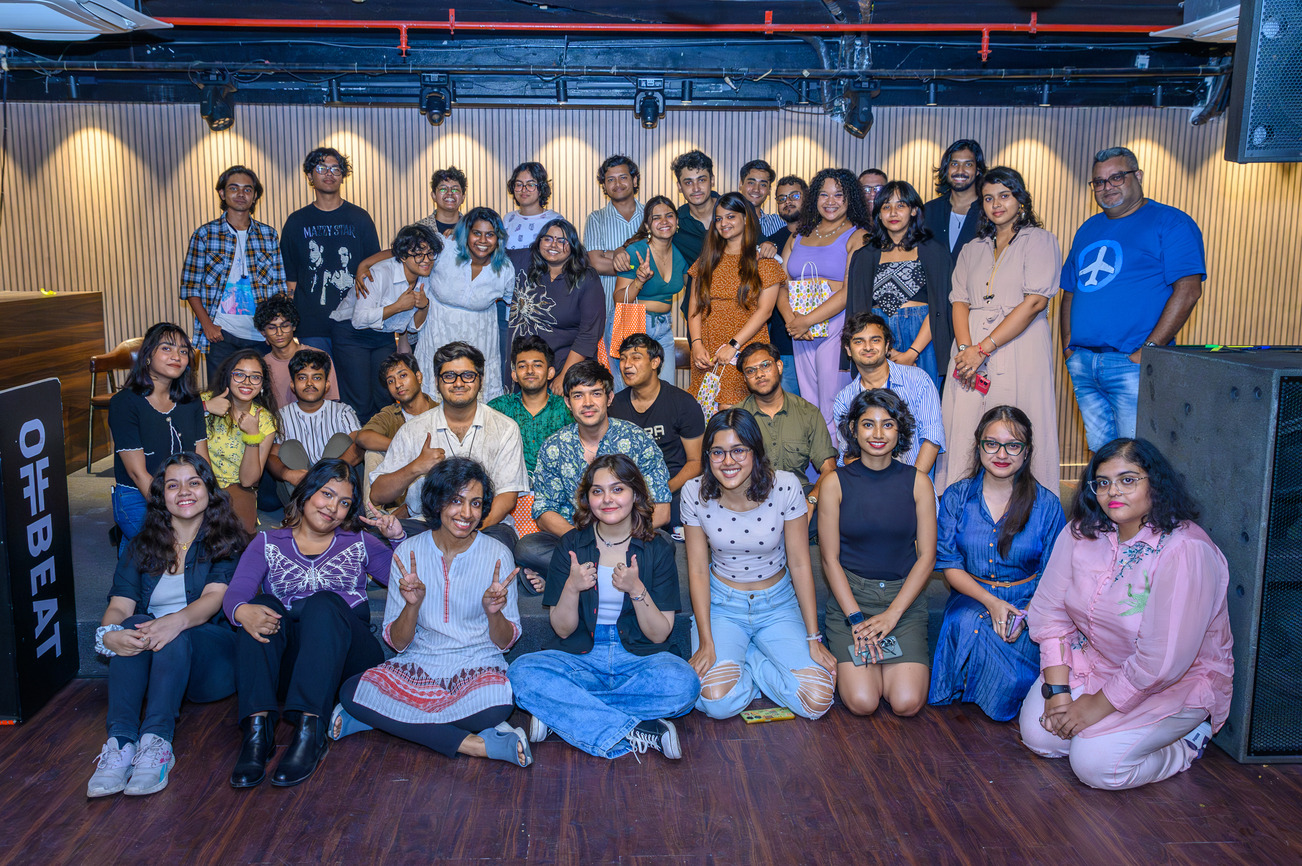
Design thinking is a human-centred, iterative method for innovation. It matches what people need with what is technologically possible and commercially viable. Companies use it to cut risk, find better problems to solve, and build products people actually want. Students at a design college in Kolkata can learn it hands-on, alongside the tools of their craft.
What Is Design Thinking?
Design thinking is a way of solving problems that starts with people, not products. It combines logic, imagination and intuition to build ideas up rather than break them down.
Design vs. Design Thinking
Design is often mistaken for decoration. Steve Jobs argued that design is about how something works, not only how it looks. Design thinking takes this further. It applies a designer’s methods to strategy, services, systems and customer experiences, and people who aren’t trained designers can use it too.
Find the Right Problem First
Most companies are built to execute against a stated problem. Design thinking asks a different question: which problem is actually worth solving? This shift from problem-solving to problem-finding matters most in a fast-changing, software-driven economy.
Why Design Thinking Is a Strategy for Innovation
What the Research Says
- The 2015 Design Value Index, from the Design Management Institute and Motiv Strategies, found that design-led companies such as Apple, Nike, IBM, P&G, Pepsi and SAP outperformed the S&P 500 by 211% over ten years.
- Consulting giants including McKinsey, Accenture, PwC and Deloitte have acquired design consultancies, a sign that design now shapes business strategy.
- McKinsey’s research suggests the best results come from blending user research (interviews, observation and quantitative analysis) with market analytics.
Lower Risk Through Prototyping
Design thinking treats every new idea as a hypothesis. Teams build quick prototypes, test them with real users, and refine before spending heavily. This reduces uncertainty, saves cost and speeds up delivery.
The Design Thinking Process: 5 Stages
The widely taught Stanford d.school model has five stages. In practice, the cycle is iterative and non-linear, so teams often loop back.
Stage-by-Stage Breakdown
1. Empathise
Observe and interview users to understand their needs, including unspoken ones. These unarticulated needs are often the best source of competitive advantage.
2. Define
Turn research into a clear problem statement. Question assumptions and reframe challenges as opportunities.
3. Ideate
Generate many ideas in diverse teams, then narrow them through critique and experimentation.
4. Prototype
Build low-cost versions such as sketches, mock-ups, storyboards or digital wireframes.
5. Test
Put prototypes in front of real users, gather feedback and refine.
Design Thinking Examples from Global Companies
IBM: From Engineering-Led to User-Led
In 2012, IBM began shifting from an engineering-centric culture to one focused on user outcomes. Embedding design thinking into its culture helped it pivot towards cloud and AI.
PepsiCo: Design at the Core
Under CEO Indra Nooyi, PepsiCo appointed its first Chief Design Officer in 2012. Design moved beyond packaging into product creation, shelf presence and consumer interaction.
Cisco: The HR “Breakathon”
In 2016, Cisco used design thinking to rethink HR for around 71,000 employees. The event produced 105 new HR solutions across hiring, onboarding, learning and leadership.
Learning Design Thinking at a Design College in Kolkata
Design thinking is a skill, and skills are built through practice. If you’re looking for a design college in Kolkata that treats design as something to live and not just study, this is worth considering.
About Ecole Intuit Lab
Ecole Intuit Lab was established in 2019 in collaboration with Techno India University and is located on its Salt Lake campus. It is part of an international network of seven campuses. Its degrees are AICTE accredited and UGC approved, and students also earn an international diploma with European credits.
Design Courses in Kolkata at Ecole Intuit Lab
Each programme below applies the same human-centred thinking in a different creative field.
B.Des in Visual Communication and Digital Design
Builds storytelling, branding and visual problem-solving skills.
B.Des in Digital Product Design
Focuses on user-centred digital experiences, where empathy and prototyping matter most.
B.Des in Game Art and Design
Combines creativity with industry workflows for the gaming sector.
M.Des in Advertising, Design and Digital Communication
A postgraduate path for strategic, communication-led design careers.
Industry Exposure Beyond the Classroom
- Two internships, which can be international: two months in the second year and six months in the fourth year
- A student exchange programme to France
- International workshops led by industry professionals
- Job opportunities with 35+ globally recognised companies, such as Ogilvy, Vogue, Starbucks and Estée Lauder
- An iPad for every student at admission
How to Choose the Right Design School in Kolkata
Before you apply to any design school in Kolkata, check these points:
- Accreditation: Look for AICTE approval and UGC recognition.
- Curriculum: Does it combine theory with live projects?
- Faculty: Are instructors practising industry professionals?
- Exposure: Are internships, exchange programmes and workshops available?
- Outcomes: Ask for placement records and alumni stories.
Frequently Asked Questions
What is design thinking in simple words?
It is a problem-solving approach that begins with understanding users, then ideating, prototyping and testing solutions.
Is design thinking only for designers?
No. Managers, marketers, engineers and entrepreneurs all use it to innovate.
Which design course in Kolkata should I choose?
It depends on your interest: visual communication, digital products, game design or advertising. Choose the programme that matches your strengths and career goals.
Can I study design abroad while enrolled in Kolkata?
Ecole Intuit Lab offers international internships and a student exchange programme to France.
Conclusion
Design thinking is not a passing trend. It is a proven way to innovate with less risk and more relevance. The research shows that design-led companies outperform their peers, and that the method works across industries. For aspiring creatives, the best way to learn it is through real projects, mentorship and global exposure. A design course in Kolkata that blends these elements can be the first step towards a career that shapes products, brands and experiences.