
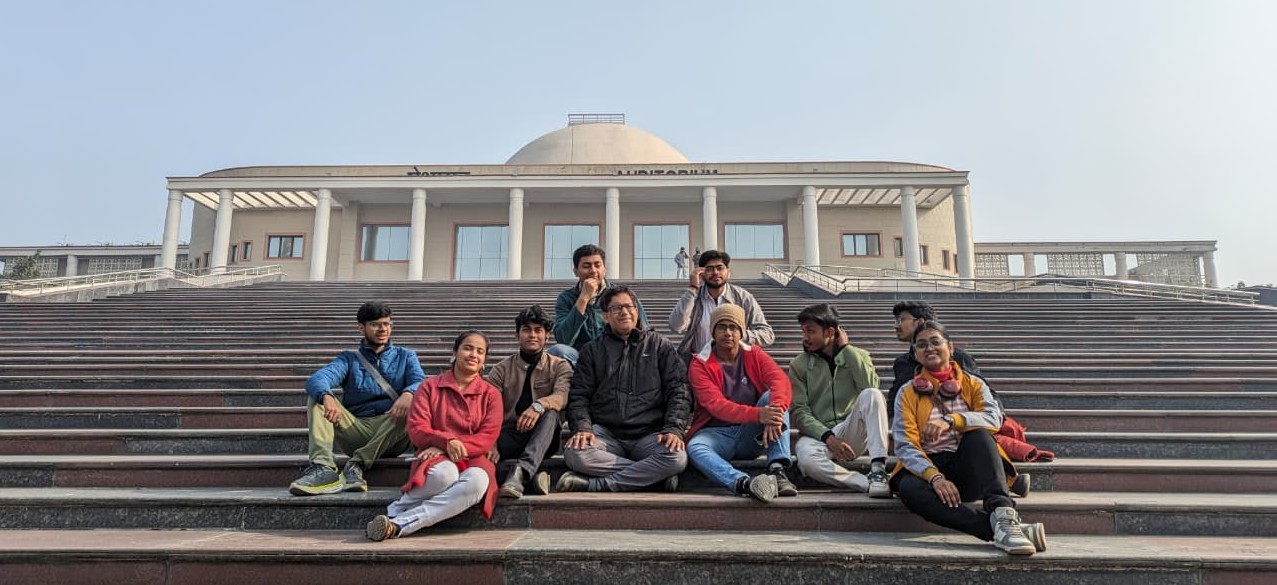
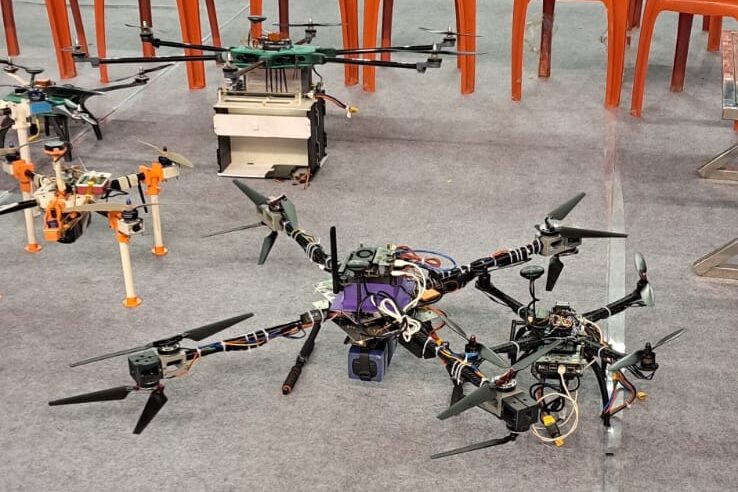
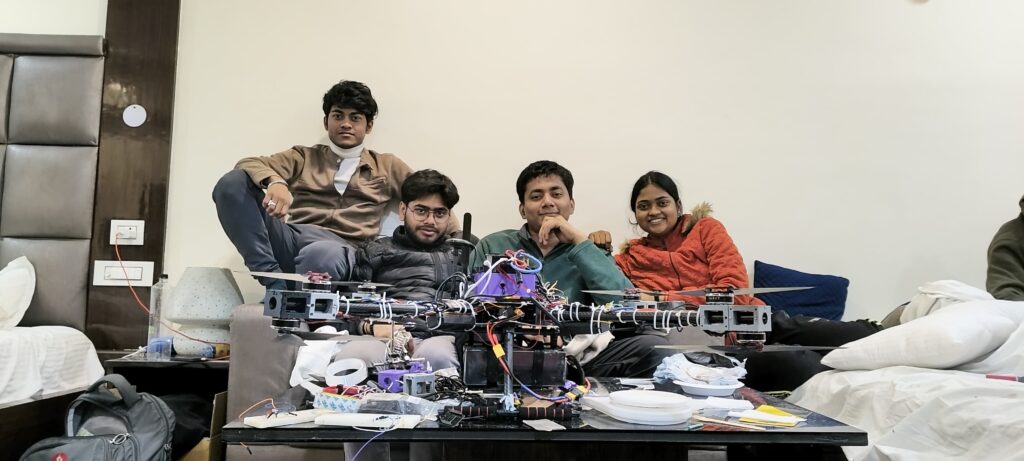
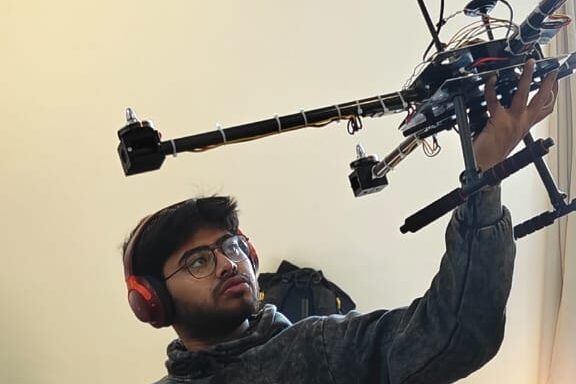
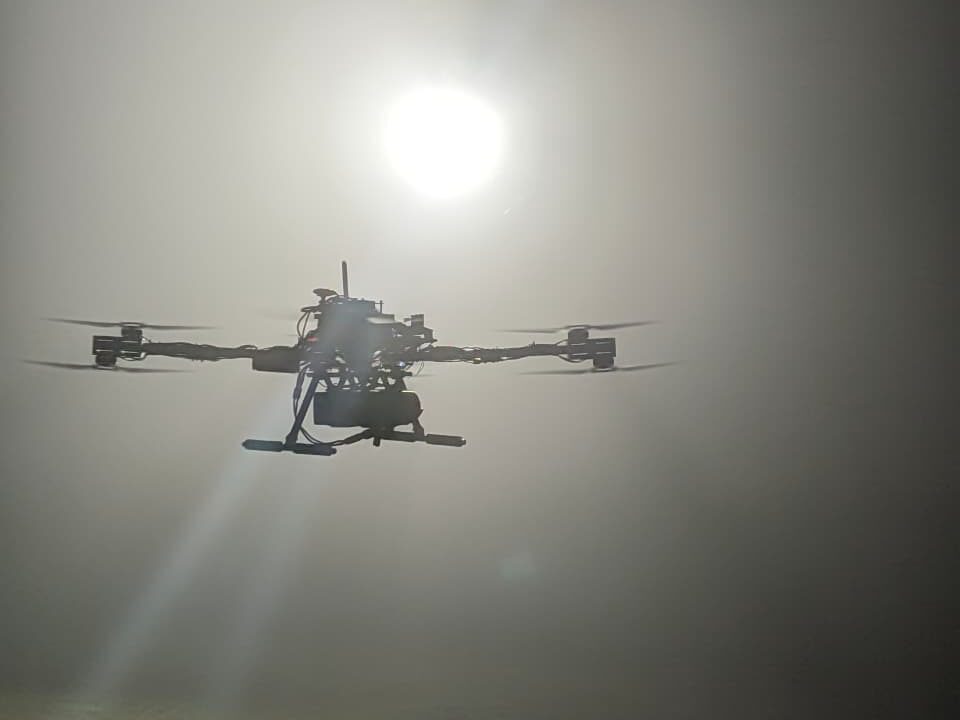
Techno India University recently came alive with innovation and excitement as Team Sky Rangers—an energetic collective of students from ECE, CSBS, CSE, CSE (AI-ML), and Mechanical Engineering—achieved a remarkable engineering milestone. Transforming a bold vision into a flying reality, the team successfully built a fully AI-powered autonomous drone entirely from scratch. Designed and developed within the university’s IoT Lab, the project stands as a powerful reflection of youthful curiosity, cross-disciplinary teamwork, and a deep commitment to solving real-world challenges through technology.
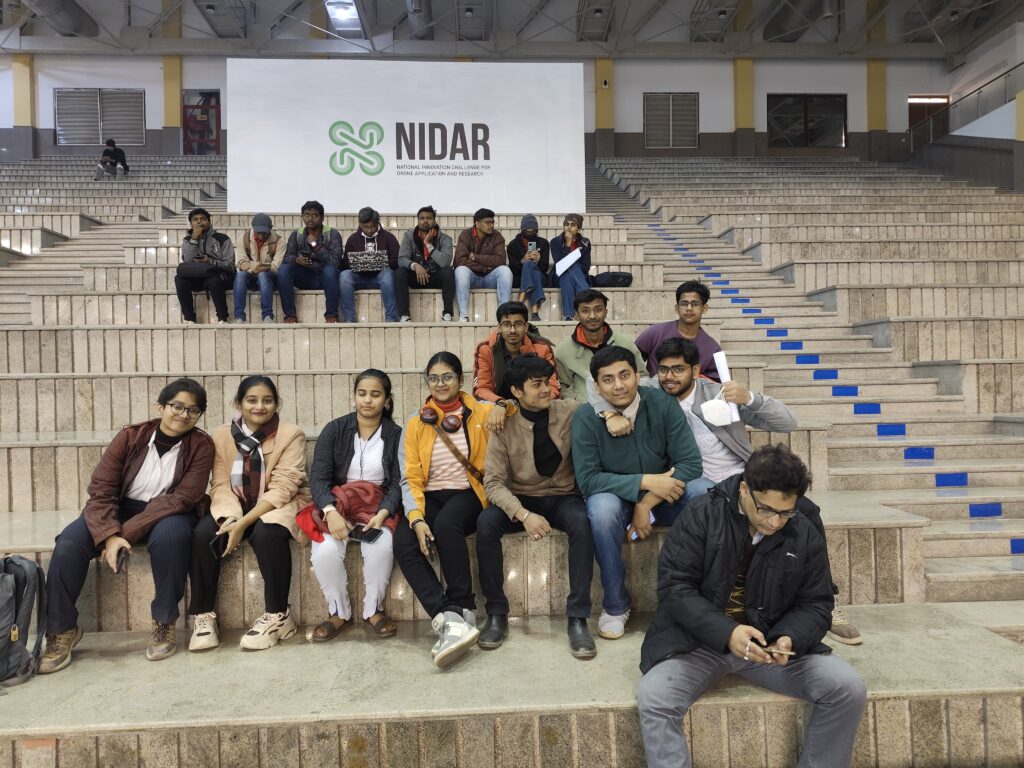
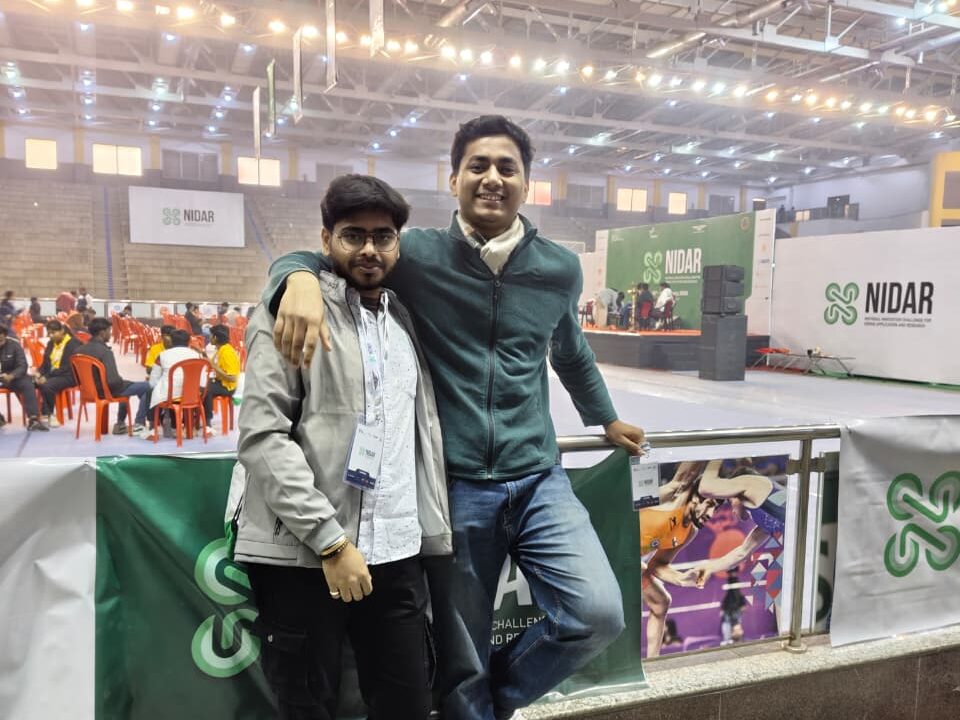
Taking their innovation beyond campus, the students represented Techno India University at Gautam Buddha University, Greater Noida, during the NIDAR (National Innovation Challenge for Drone Application & Research) 2025–26. Competing on a national stage, Team Sky Rangers confidently showcased their home-built drone, drawing attention for its practical applications and intelligent design.
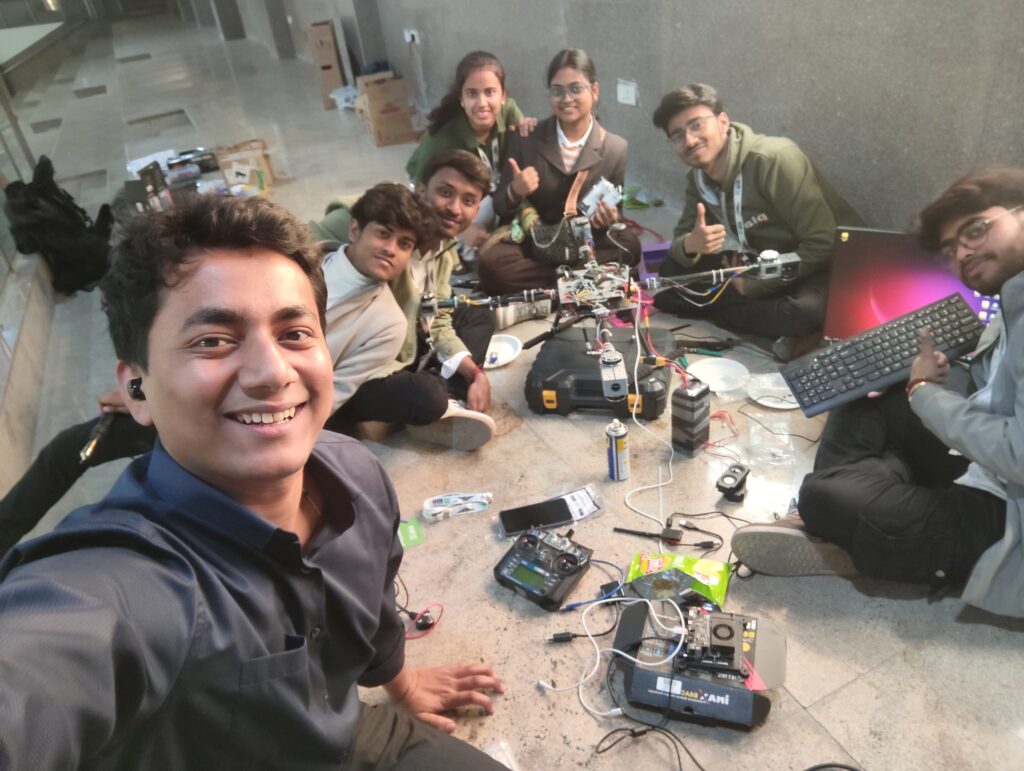
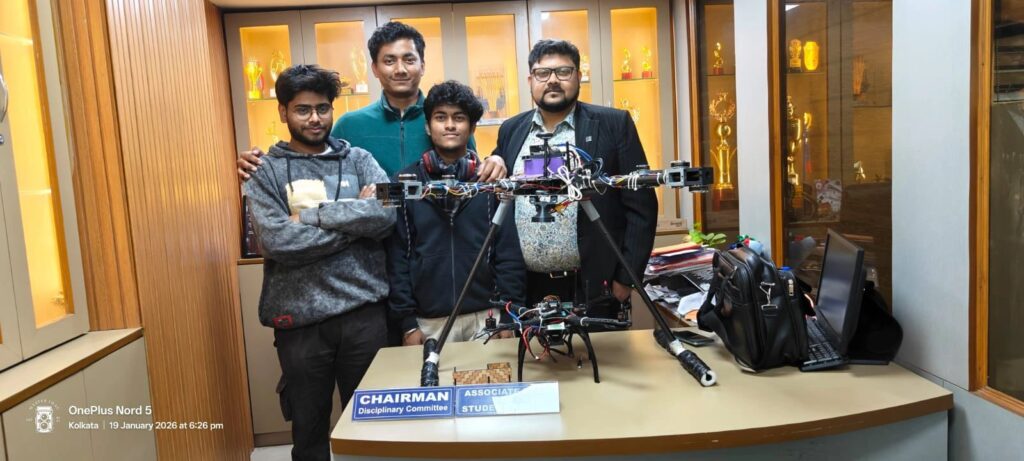
What truly sets this drone apart is the thought and effort behind every component. Without using any pre-assembled industrial drone parts, the team designed a custom chassis and integrated a Pixhawk flight controller with an NVIDIA Jetson Orin for AI processing, all running on ROS. The result is a drone capable of full autonomy, real-time decision-making, and global remote operation—built entirely by students.
The drone also addresses critical disaster management needs. In flood-hit areas where people are stranded without essentials, it can autonomously scan large regions, stream live video, geotag survivors, and communicate with them through an onboard speaker. It further supports the delivery of compact survival kits, helping rescue teams respond faster and with greater precision.
The team also focused on precision agriculture, aiming to support farmers facing labour shortages and soil degradation due to excessive pesticide use. Using AI-based vision, the drone scans farmland to identify stressed crops, safely navigates around obstacles, and marks affected plants on a digital map. Pesticides are then sprayed only where required, reducing chemical usage while encouraging sustainable farming practices.
The project was guided by the mentorship of Dr. Abhro Mukherjee, whose consistent support and technical guidance played a crucial role in shaping the team’s vision and successful execution. Team Sky Rangers was led by two dedicated captains—Kumar Satyam, Team Captain (Pass-out, 2025), and Adrish Haldar, Team Captain (ECE, 2nd Year)—whose leadership steered the project from concept to completion. The committed team comprised Sanket Mondal (CSBS, 2nd Year), Sudip Santra (ECE, 2nd Year), Jagriti Budhiya (ECE, 2nd Year), Chancharika Das (ECE, 2nd Year), Sayan Pal(ECE, 2nd Year), Soumik Dey (CSE, 2nd Year), and Suranjit Ghosh (ECE, 2nd Year), whose collective efforts and collaborative spirit were instrumental in bringing the innovative project to life.
Team Sky Rangers’ achievement reflects the strong culture of innovation and hands-on learning at Techno India University. Their journey from an idea in the lab to a national-level platform at NIDAR 2025–26 showcases how students can translate technical knowledge into impactful solutions. More than just a drone, the project stands as a testament to teamwork, creativity, and the university’s commitment to nurturing future-ready engineers and innovators.