
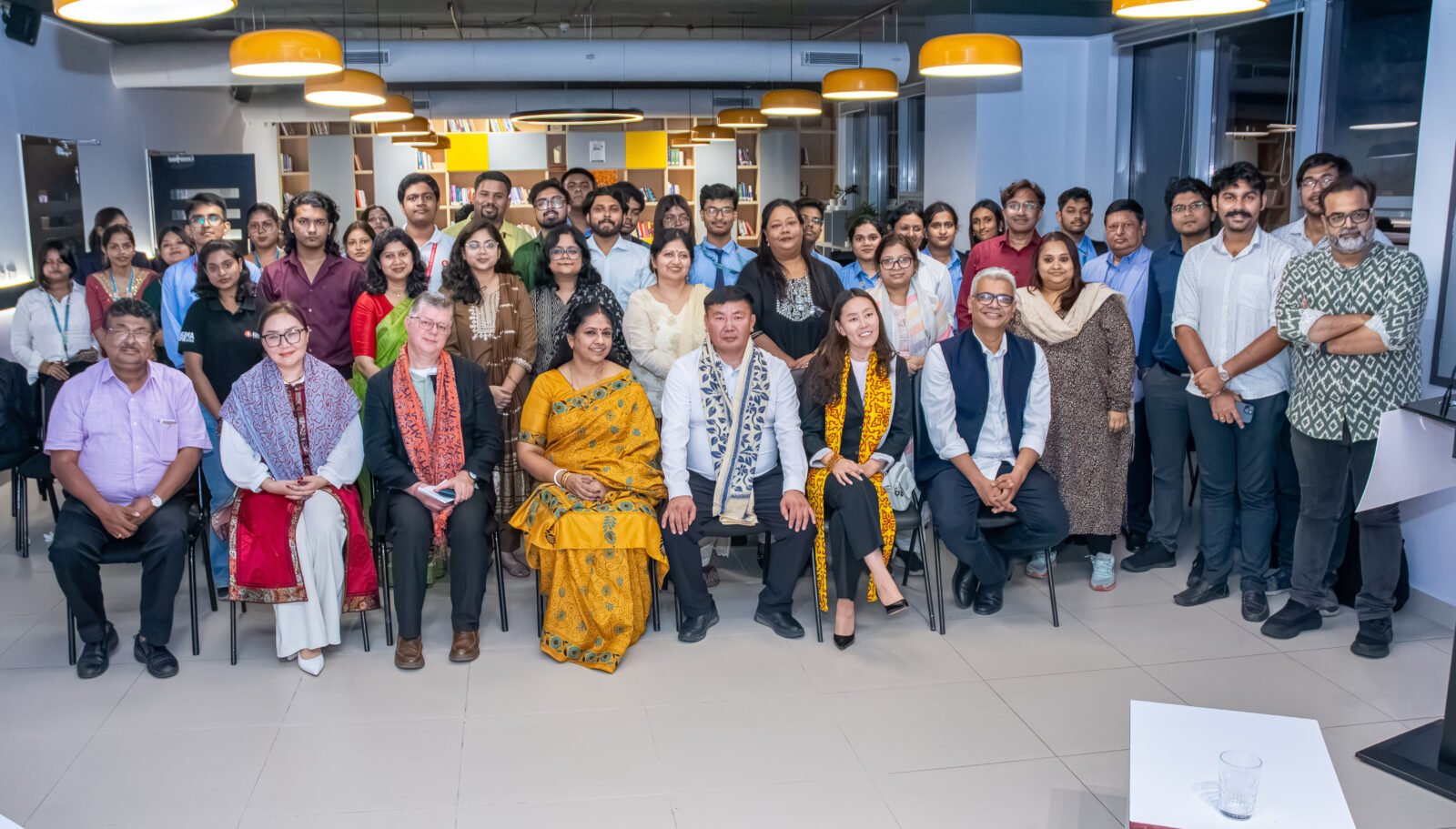
Kolkata, 23 November 2026: Techno India Group hosted the 11th edition of its talk series Unwind – Boi Kotha Kow, bringing together speakers from Mongolia and France for a conversation on culture, identity and conservation. The session, titled “The Human Library – Beyond Borders, Beyond Biographies: Where Stories Connect Us,” formed part of an international cultural exchange and film conversation at F5IFF.
The discussion featured Prof. Benoit Raoulx, Socail Cultural Geographer, Documentary Filmmaker, France; J. Myadagbadam Egurime from Mongolia; Bayarbat Chojijn, Head of Protection Administration, Great Gobi Birtely Protected Area, Part A, Mongolia; and Radnaabazar Bolor, Ecologist, Environmental Journalist and International Relations Manager, Mongolia. The conversation was led by Prof. Manoshi Roychowdhury, Co-Chairperson, Techno India Group.
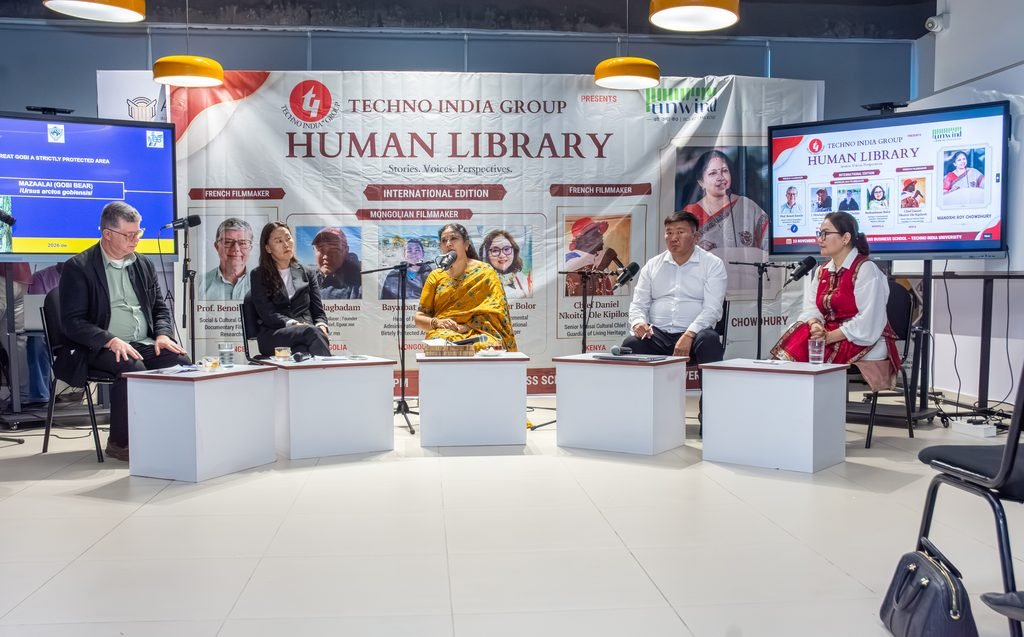
Moving beyond professional biographies, the session explored the personal stories and lived experiences behind the speakers’ work. Through conversations around the films Nani India and The Guardian of the Great Gobi, participants reflected on family bonds, cultural inheritance, wildlife conservation and the relationship between people and the natural world.
Speaking about cultural identity, Prof. Benoit Raoulx said, “Identity is always something you create by meeting people, by sharing ideas.” He described identity as fluid and shaped by experience, adding, “Tolerance allows us to learn from other cultures and create a new identity.” He also highlighted the role of storytelling in shaping how children understand their heritage and the world around them.
The conversation turned to the shared responsibility of protecting nature. J. Myadagbadam Egurime offered a simple yet powerful comparison: “We are all people in this world, it’s like this tree. We’re connected in the same way, same connection as that tree. So we need to take care of the tree as we are one.” He urged young people to see themselves as global citizens, emphasising that “each single one, each of you, can contribute to our mother nature.”
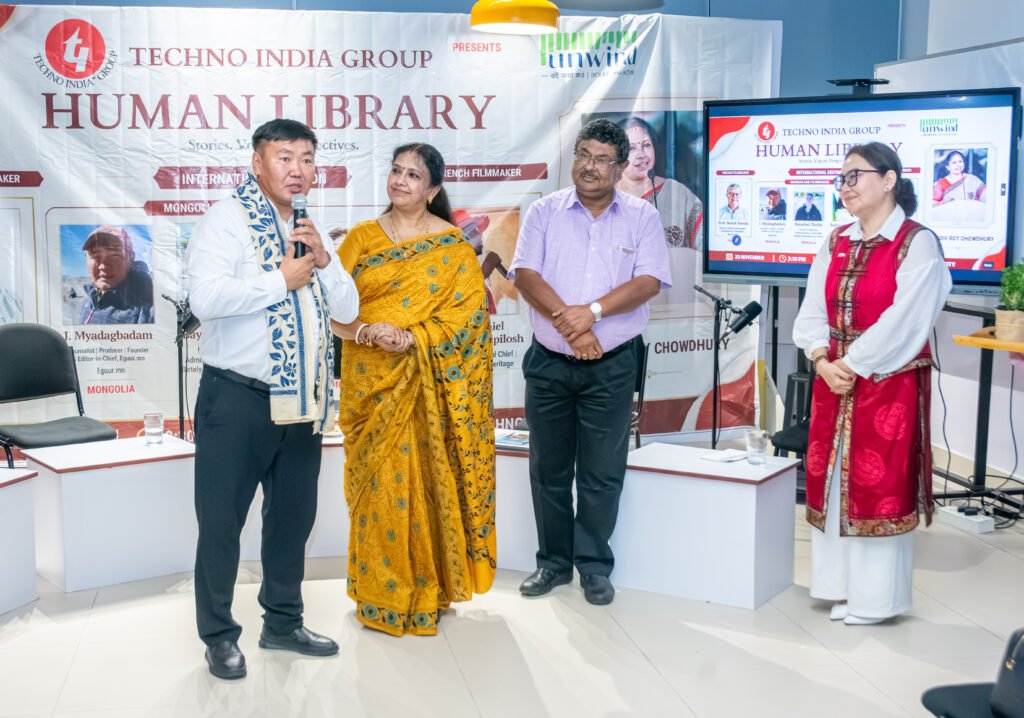
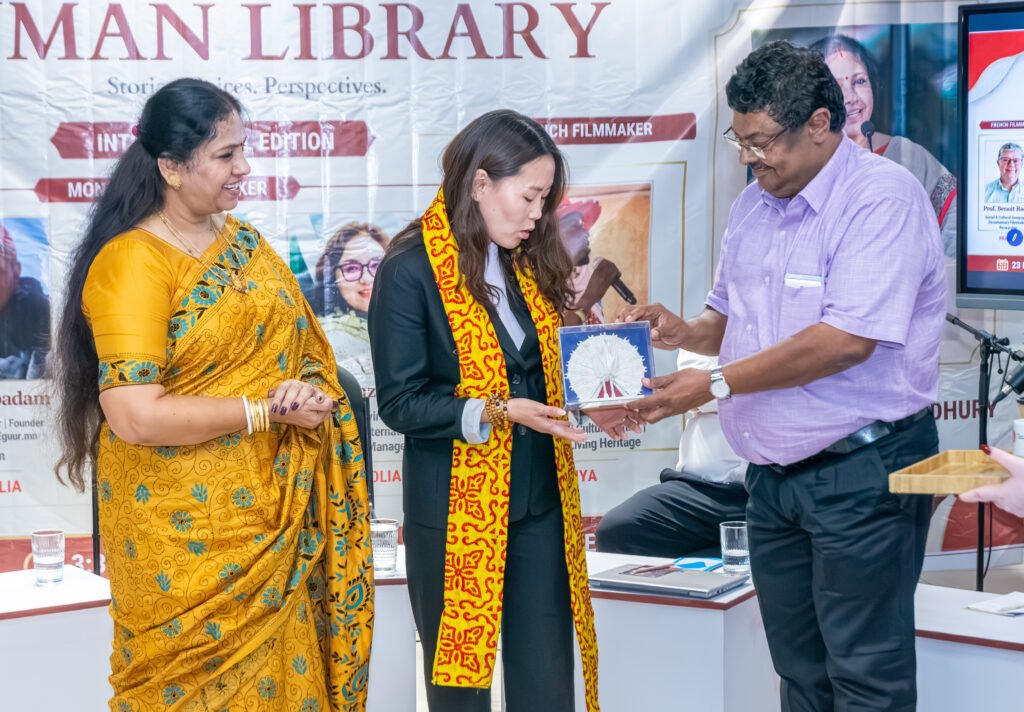
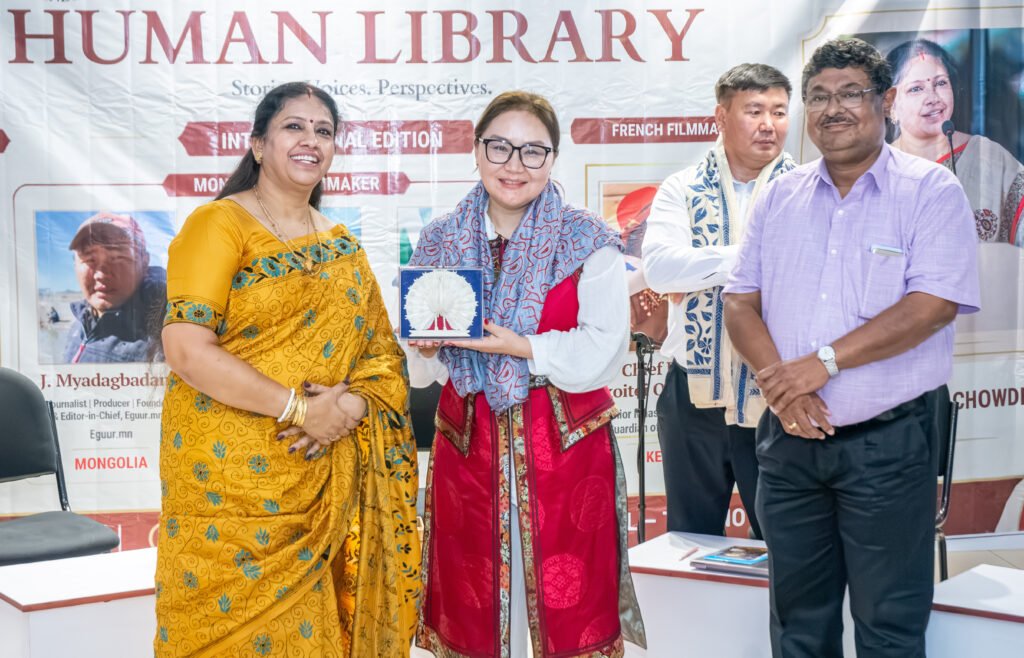
Reflecting on the message of The Guardian of the Great Gobi, Bayarbat Chojijn stressed that the world belongs to every species, not only humans. He said, “The world is not only for human, it’s for every single species all around the world.” He also spoke about the importance of preserving wildlife habitats, explaining that human activity and the loss of natural food sources can push animals towards settlements. The discussion highlighted the need to protect ecosystems and recognise the consequences of human actions.
Radnaabazar Bolor spoke about the responsibility of journalists to tell stories with humanity and integrity. “Environmental journalism is a different story, because nature itself is nature, it’s original,” he said. Addressing young journalists, he added that media should be shaped by “humanity, human being, and the ethic, and also who you are, not AI.” His reflections underscored the importance of human judgement and ethical responsibility in environmental reporting.
Reflecting on the purpose of Unwind – Boi Kotha Kow, Prof. Manoshi Roychowdhury said, “Unwind – Boi Kotha Kow was conceptualised with the vision of taking learning beyond textbooks and creating opportunities for students to engage with individuals from diverse backgrounds and experiences.” She added that cultural exchange helps young people appreciate different perspectives, understand shared human heritage and recognise the importance of preserving it. Through conversations with speakers from Mongolia and France, students were able to explore the close relationship between culture, environment and identity.
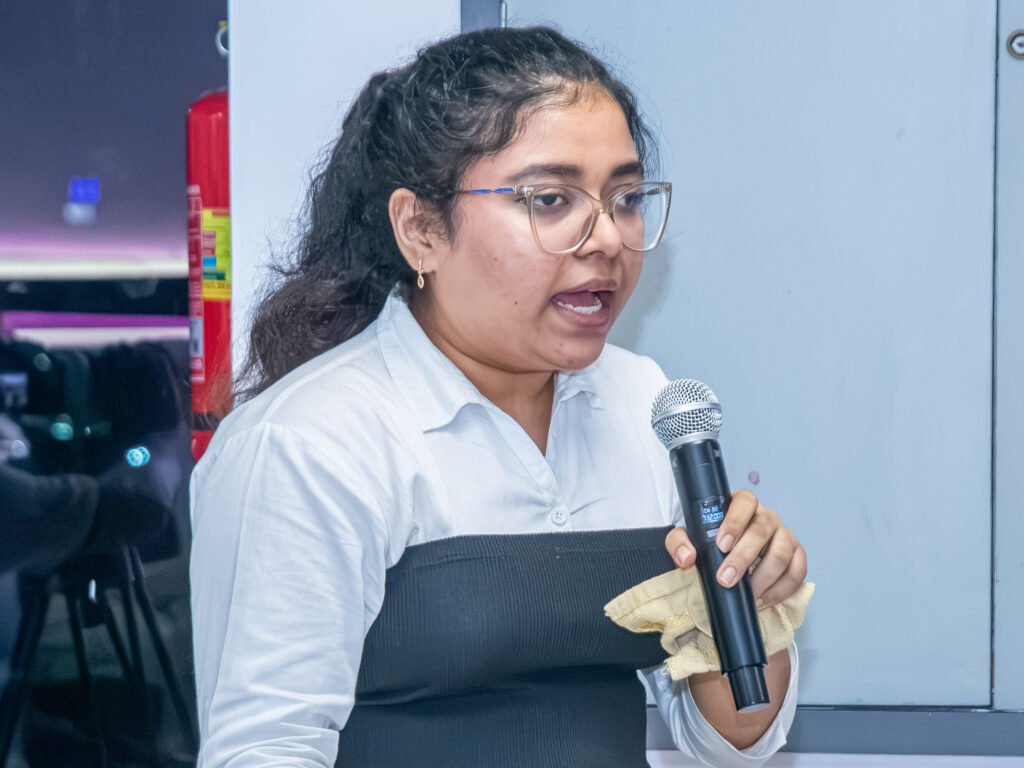
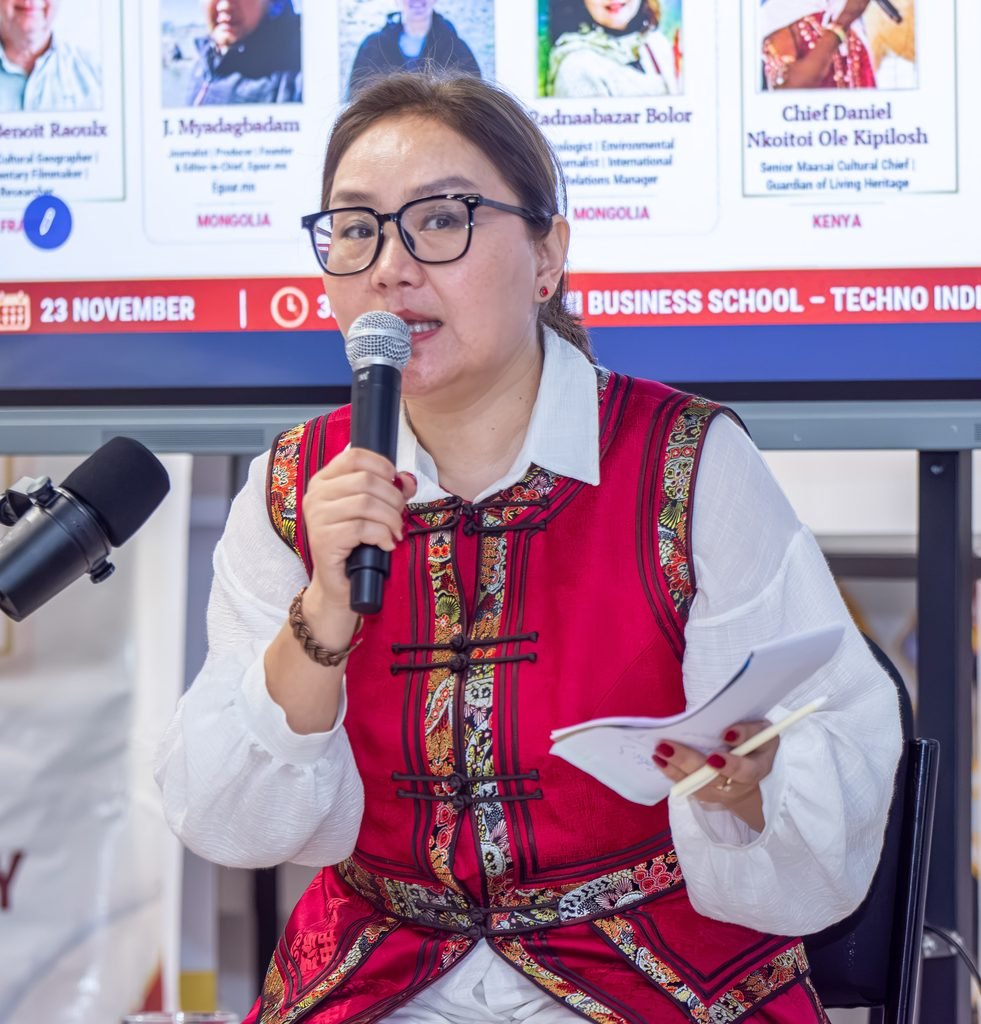
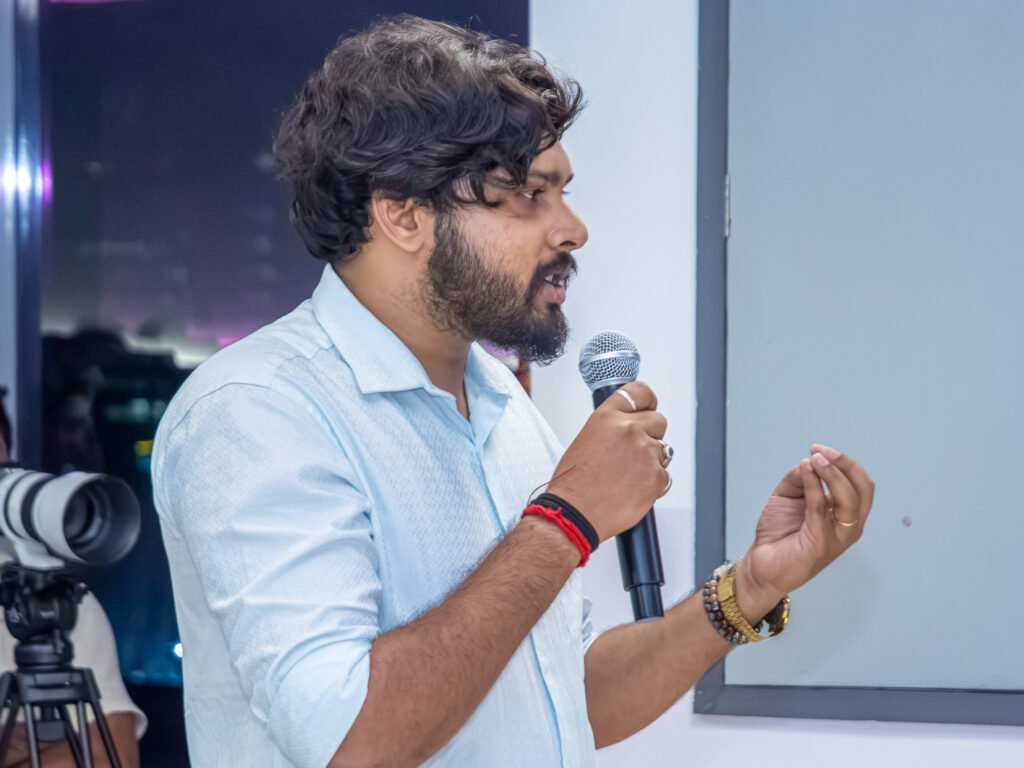
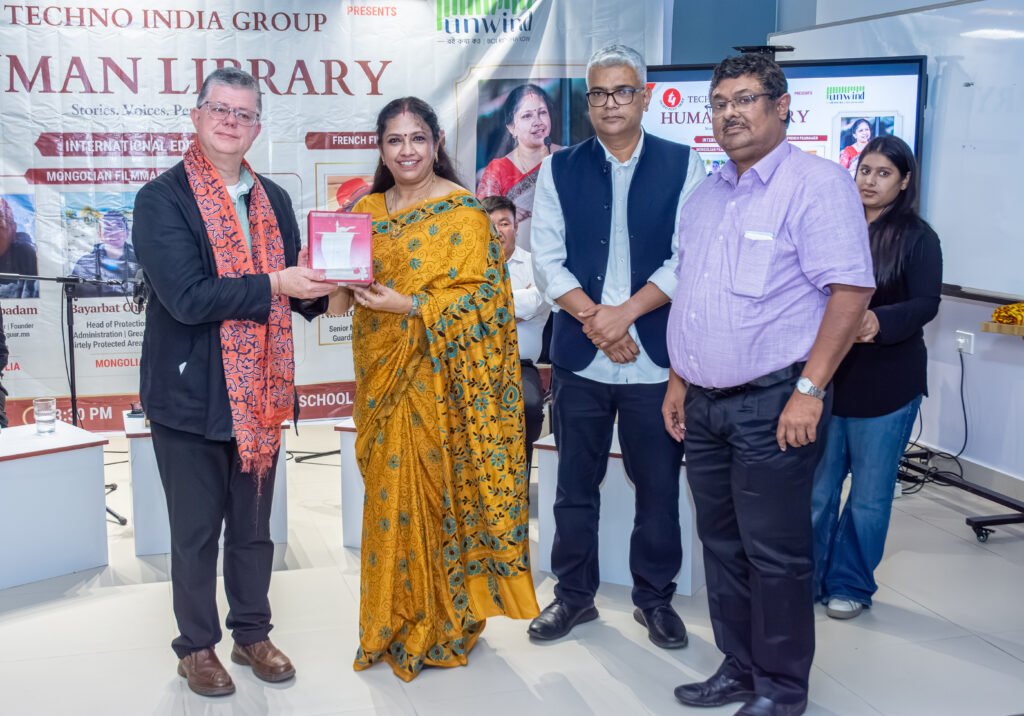
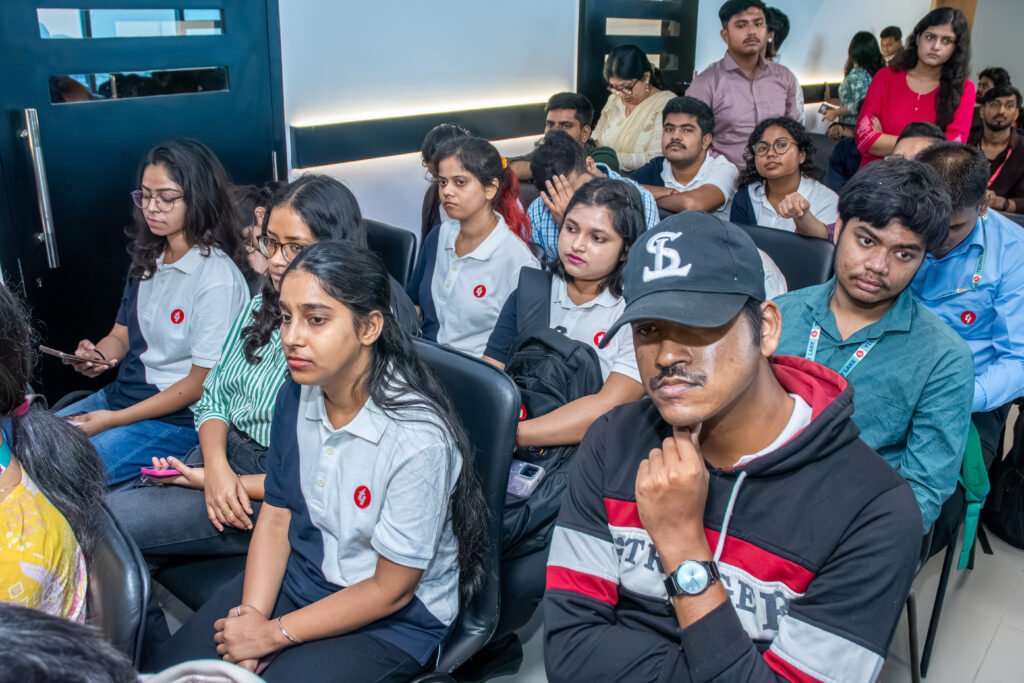
The session also featured The Human Library Bookmark, in which participating guests shared a sentence of wisdom or a message for the younger generation. An interactive Q&A gave students the opportunity to ask questions about indigenous cultures, traditional knowledge and the challenges of preserving cultural identities in a globalised world.
A brainchild of Prof. Manoshi Roychowdhury, Unwind – Boi Kotha Kow creates opportunities for students to learn directly from people’s lived experiences. Inspired by the Human Library movement, which began in Copenhagen, Denmark, in 2000, the series continues the idea of “lending people instead of books”—encouraging curiosity, empathy and learning beyond the classroom.