
Introduction
If you’ve ever been captivated by the breathtaking landscapes of The Witcher, the stylized characters of Valorant, or the immersive worlds of God of War, you’ve already experienced the power of game art and design. But what exactly goes into creating these visual experiences — and how can you build a career doing it?
This guide breaks down everything you need to know about game art and design: what it means, what skills it demands, what career paths it opens, and where you can get the best training — particularly if you’re looking for a game art design institute in Kolkata.
What Is Game Art and Design?
Game art and design is the multidisciplinary creative field responsible for the visual and interactive elements of video games. It encompasses everything a player sees, feels, and engages with — from character models and environment textures to user interface layouts and cinematic cutscenes.
It sits at the intersection of traditional fine art, digital illustration, 3D modeling, animation, and storytelling. Unlike passive art forms, game art must be functional — every visual element must serve gameplay, narrative, or user experience.
Game art and design broadly includes:
- Concept Art – Early-stage visual ideation of characters, environments, and props
- 2D & 3D Modeling – Building assets digitally using tools like Maya, Blender, and ZBrush
- Texturing & Shading – Adding color, surface detail, and material properties to 3D models
- Character Design – Creating memorable, expressive game characters
- Environment Design – Building immersive game worlds and levels
- UI/UX for Games – Designing intuitive menus, HUDs, and interactive interfaces
- Motion & Animation – Bringing characters and objects to life through movement
Why Is Game Art and Design Important?
The global gaming industry was valued at over $200 billion in 2024 and continues to grow at a rapid pace. India alone has seen a surge in game development studios, mobile gaming startups, and international collaborations. This growth is creating massive demand for skilled game artists and designers.
Beyond commercial value, game art shapes cultural narratives. Games today tackle complex themes — mental health, identity, history, mythology — and the visual language game artists create is central to how those stories land emotionally with players.
What Skills Does a Game Artist Need?
To succeed in game art and design, you need a blend of technical ability and artistic sensibility. Key skills include:
Technical Skills:
- Proficiency in industry tools: Adobe Photoshop, Illustrator, Maya, Blender, Substance Painter, Unity, Unreal Engine
- Understanding of game engines and real-time rendering
- Knowledge of topology, UV mapping, and rigging
Creative Skills:
- Strong foundation in drawing, composition, color theory, and anatomy
- Ability to develop a consistent visual style
- Storytelling through visual language
Soft Skills:
- Collaboration — game production is deeply team-oriented
- Adaptability to creative briefs and project pipelines
- Attention to detail and revision culture
Game Art vs. Game Design: What’s the Difference?
This is one of the most common questions from students exploring the field.
| Aspect | Game Art | Game Design |
|---|---|---|
| Focus | Visual creation | System and mechanics design |
| Output | Assets, environments, characters | Game rules, levels, player experience |
| Tools | Photoshop, Blender, Maya | Unity, Unreal, game design documents |
| Mindset | Aesthetic and visual | Logical and systems-thinking |
In practice, strong game creators often develop fluency in both disciplines — which is why integrated programs in Game Art & Design teach both simultaneously.
Career Paths in Game Art and Design
Graduating from a quality game art and design program opens doors to a wide range of roles:
- Concept Artist – Visualizing game ideas before production begins
- 3D Modeler / Environment Artist – Building the game world
- Character Artist – Designing and sculpting game characters
- Technical Artist – Bridging art and programming pipelines
- UI Artist for Games – Crafting game interfaces and HUD elements
- Motion Designer / Animator – Creating in-game animations
- Art Director – Leading the visual vision of a game project
Companies like Ubisoft, Tencent, EA, Rockstar, and numerous Indian studios actively recruit trained game artists. Beyond studios, skills transfer into film VFX, AR/VR experiences, metaverse design, and interactive advertising — all booming sectors.
Where to Study Game Art and Design in Kolkata
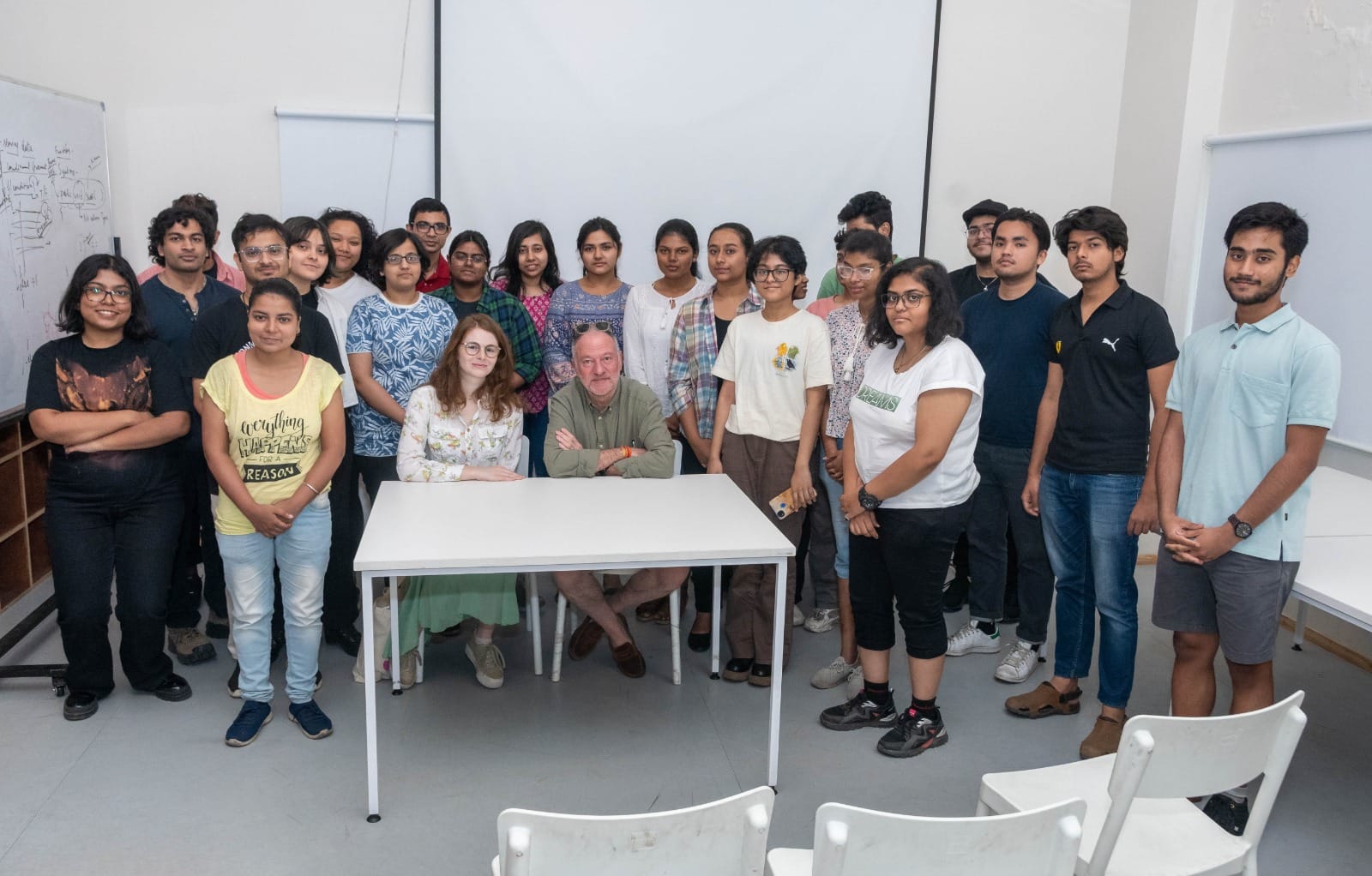
If you’re based in Eastern India and serious about pursuing this path, École Intuit Lab x Techno India University stands out as one of the most credible options for game art and design education in the region.
Located at Salt Lake, Kolkata, within the Techno India University campus, École Intuit Lab is part of a network of 7 international campuses and brings a genuinely global curriculum to Indian students. Their B.Des in Game Art & Design is both AICTE accredited and UGC approved, which means your degree holds institutional weight alongside creative credibility.
What makes this institution particularly valuable for aspiring game artists:
- International curriculum taught by active industry practitioners — not just academics
- Two structured internships during the program (2nd year and 4th year), with international internship opportunities
- Student exchange program to France, giving students direct exposure to European design culture
- International workshops conducted by professionals from studios worldwide
- An iPad provided at admission — because hands-on digital practice starts from Day 1
- Dual credentials — an International Diploma from École Intuit Lab with European credits and the Indian degree from Techno India University
- Placement support with 35+ globally recognized companies including Ogilvy & Mather, Vogue, Starbucks, and Estée Lauder
For students seeking the best design school in Kolkata with a focused, industry-aligned game art track, this program delivers an unusually strong combination of artistic training, international exposure, and career infrastructure.
Is Game Art and Design Right for You?
Ask yourself:
- Do you love video games and want to understand how they’re built?
- Are you drawn to visual storytelling, illustration, or 3D art?
- Do you want a creative career with genuine global demand?
If yes to any of the above, game art and design is worth exploring seriously. The field rewards curiosity, persistence, and a genuine passion for visual craft.
Final Thoughts
Game art and design is no longer a niche pursuit — it’s a mainstream creative industry with serious career potential. Whether you dream of working at a AAA studio in Bangalore, joining a global team remotely, or launching your own indie game, the foundation begins with quality education and hands-on practice.
For students in Kolkata and across West Bengal, institutions like École Intuit Lab x Techno India University are actively closing the gap between world-class design education and local access.
Design is taught everywhere. But in some places, it’s truly lived.