
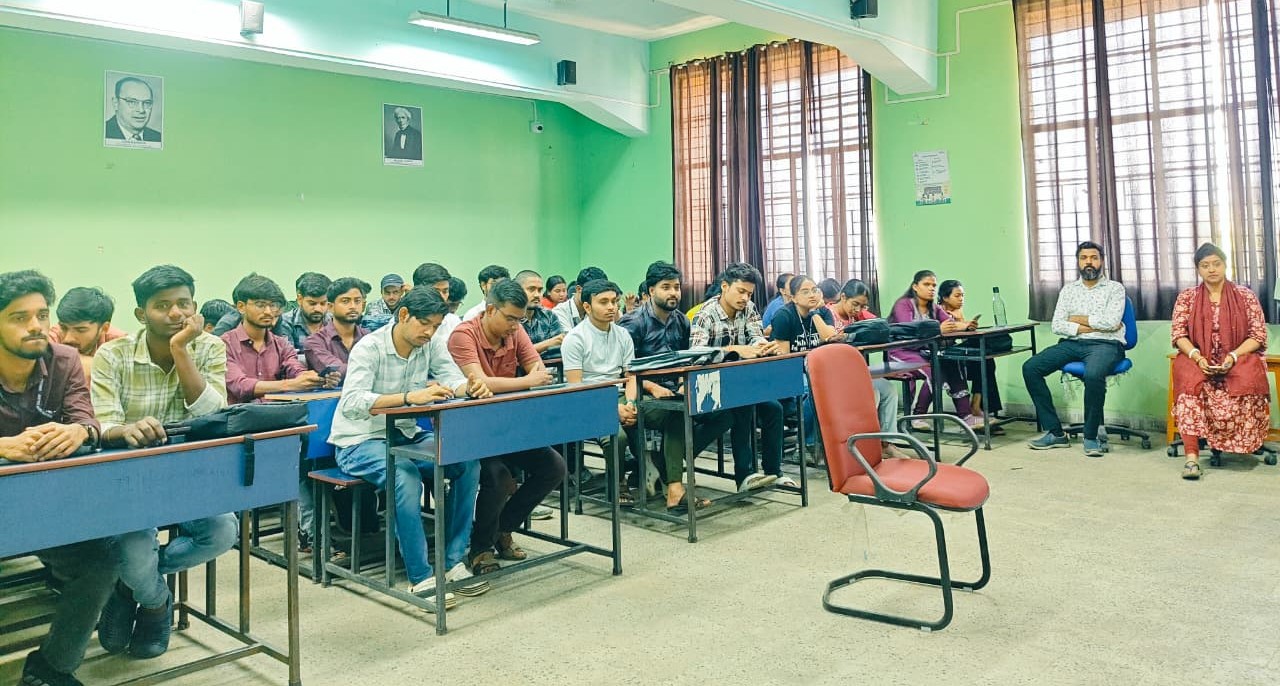
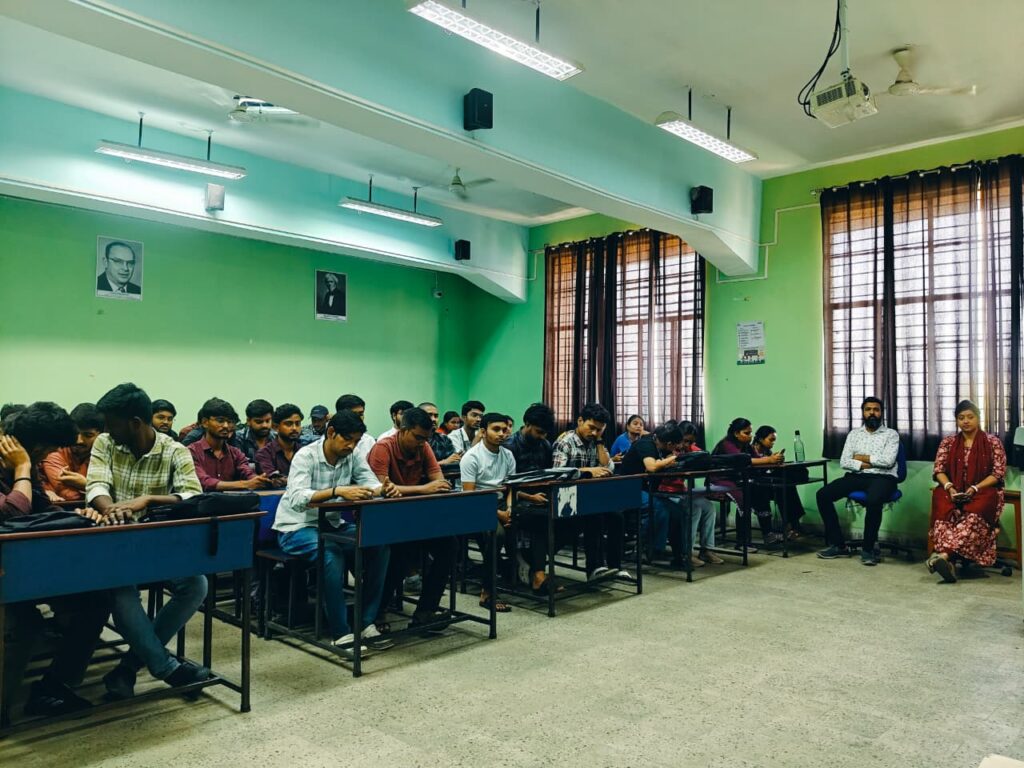
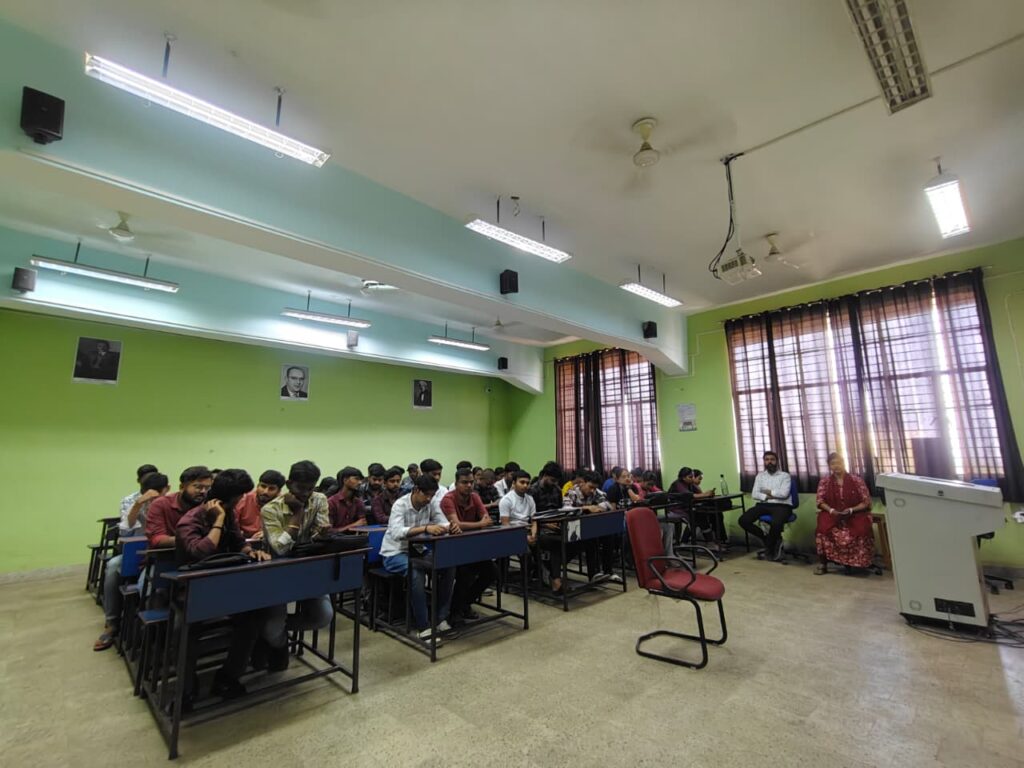
The rapidly evolving landscape of artificial intelligence continues to reshape how humans interact with machines – and at the heart of this transformation lies Automatic Speech Recognition (ASR). In a recent initiative that reflects the growing academic focus on such advanced domains, the Electronics and Communication Engineering Department of Ramgarh Engineering College hosted an engaging webinar titled “Automatic Speech Recognition: Challenges and Opportunities for Career” on April 9, 2026.
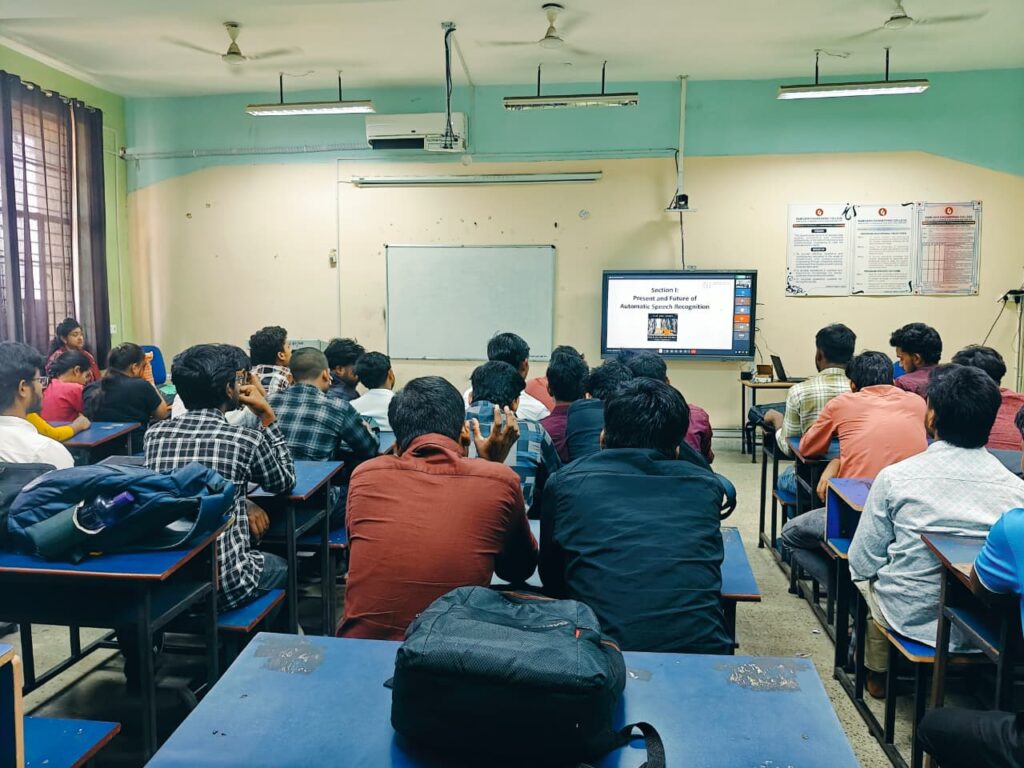
Organized in collaboration with the Institution’s Innovation Council (IIC), the session brought together students, faculty, and technology enthusiasts on a shared platform to explore the expanding world of speech technology. Conducted via Google Meet, the webinar featured Dr. Arvind Kumar, a Postdoctoral Researcher at the Max Planck Institute for Psycholinguistics, Netherlands, as the keynote speaker.
What made this session particularly impactful was its ability to connect theoretical knowledge with real-world innovation. Dr. Kumar broke down the complexities of ASR into accessible insights – covering its core principles, working mechanisms, and its increasing relevance in applications such as virtual assistants, voice biometrics, and accessibility tools.
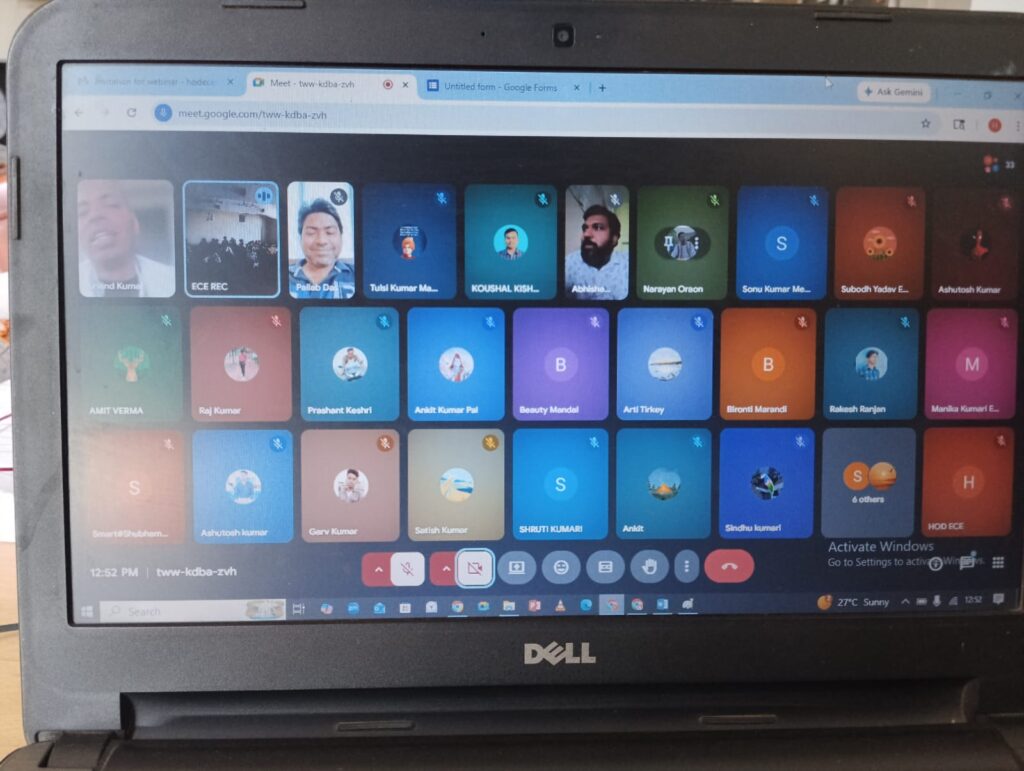
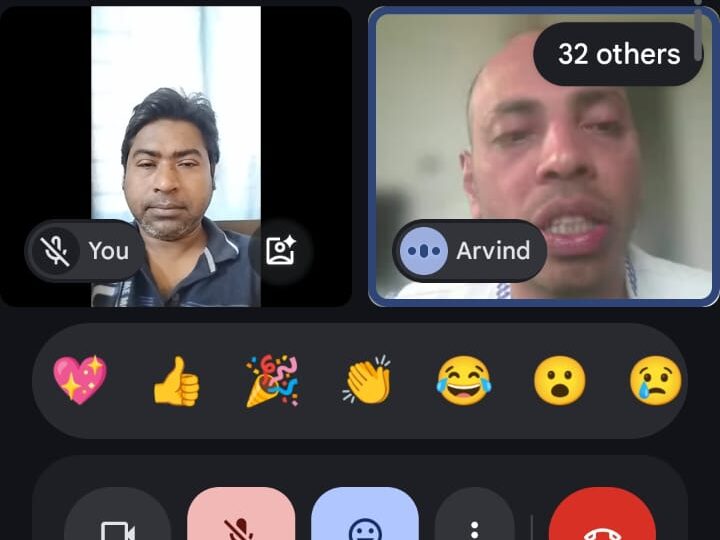
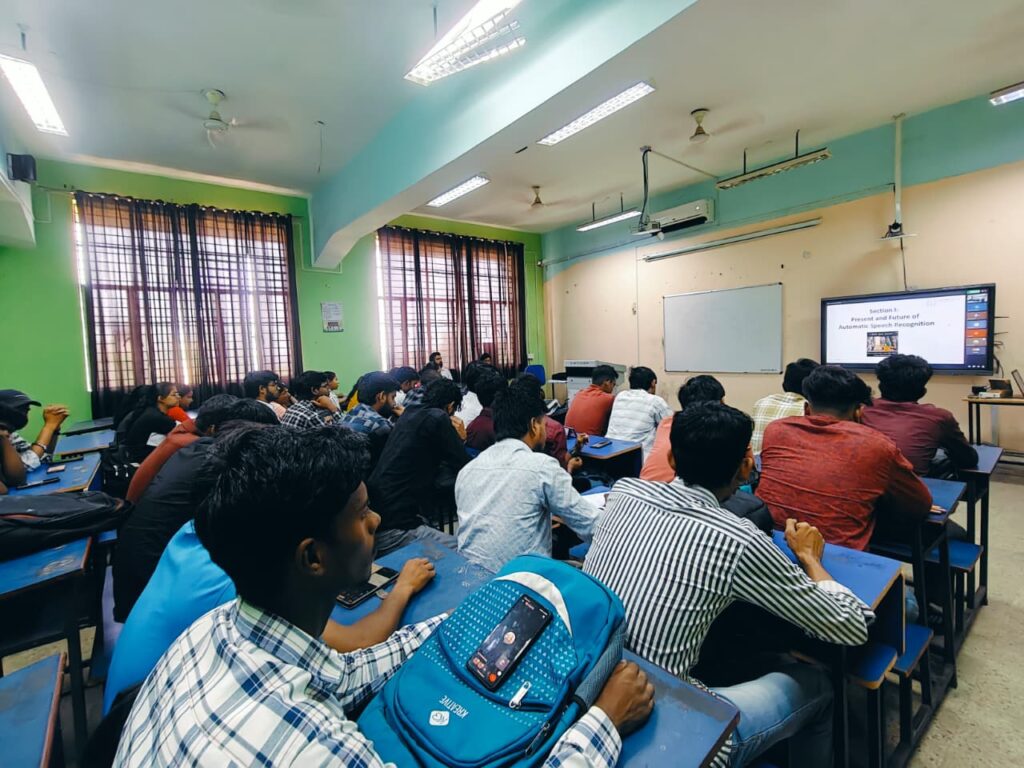
For students aspiring to enter domains like AI, machine learning, and communication systems, the webinar highlighted a clear message: speech technology is no longer niche—it is foundational to the future of human-computer interaction.
A major takeaway from the session was the wide spectrum of career opportunities in ASR. Dr. Kumar emphasized roles across:
- Academic research and linguistics
- AI-driven industry applications
- Startups focused on voice-enabled solutions
- Open-source development using ASR frameworks
This aligns closely with the Techno ecosystem’s emphasis on industry-readiness and innovation-driven learning. Exposure to such domains equips students not just with knowledge, but with a vision for future careers.
One of the most relevant discussions centered on India’s unique linguistic diversity. With hundreds of languages and dialects, ASR development in India faces challenges such as:
- Low-resource languages
- Data scarcity
- Real-world deployment complexities
However, these challenges also present opportunities – especially with the rise of Indian startups working on AI-powered communication tools. This perspective is crucial for students in India, encouraging them to contribute to solutions that are locally relevant yet globally impactful.
The webinar also reflected strong institutional support for innovation. Principal Dr. Sharbani Roy highlighted the importance of such initiatives in bridging academia with advanced research, while Vice Principal Dr. Nazmul Islam stressed the role of interdisciplinary learning in shaping future technologies.
Head of Department Mr. Nilesh Kumar noted that the session inspired students to actively engage in research, while Media Coordinator Mr. Pallab Das emphasized its motivational impact in guiding students toward emerging tech careers.
A Step Toward Future-Ready Learning
With active participation from students and an interactive Q&A session, the webinar successfully fostered curiosity and engagement—key ingredients for innovation. The presence of faculty members, including Mrs. Ayani Nandi, Mr. Kamal Ahmed, Mr. Gourab Datta and Mr. Sanat Kumar, further enriched the academic environment.
The session concluded with a vote of thanks by Dr. Abhishek Kumar, marking the end of a knowledge-driven initiative that resonates strongly with the Techno ethos: learning beyond classrooms, innovation beyond boundaries.