
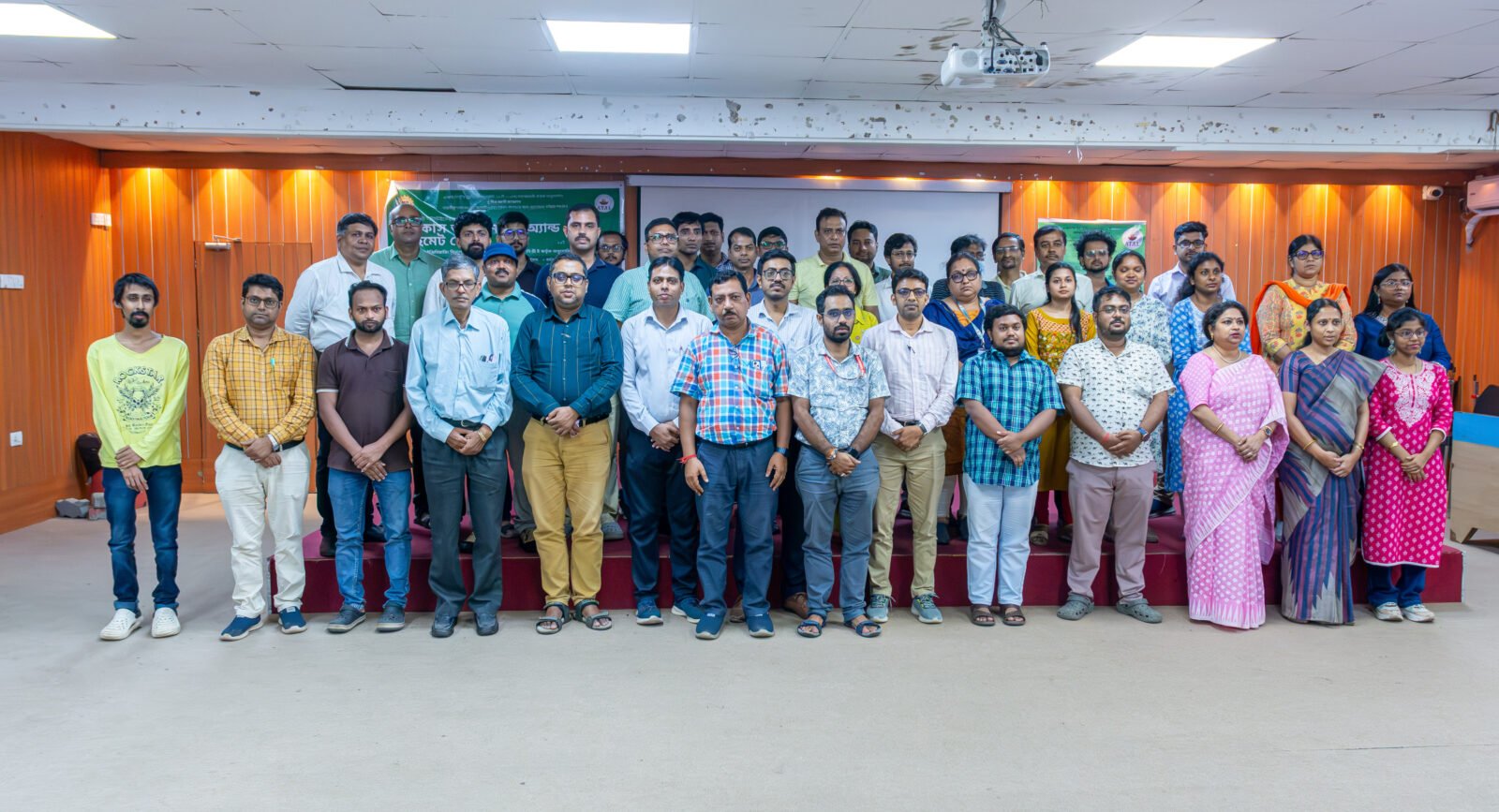
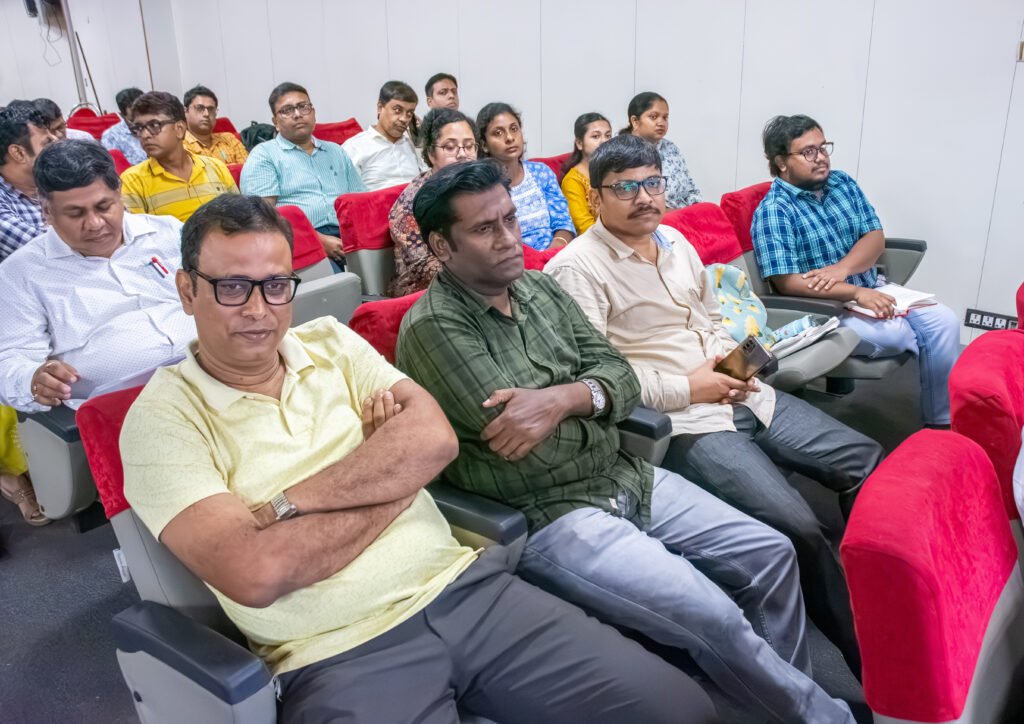
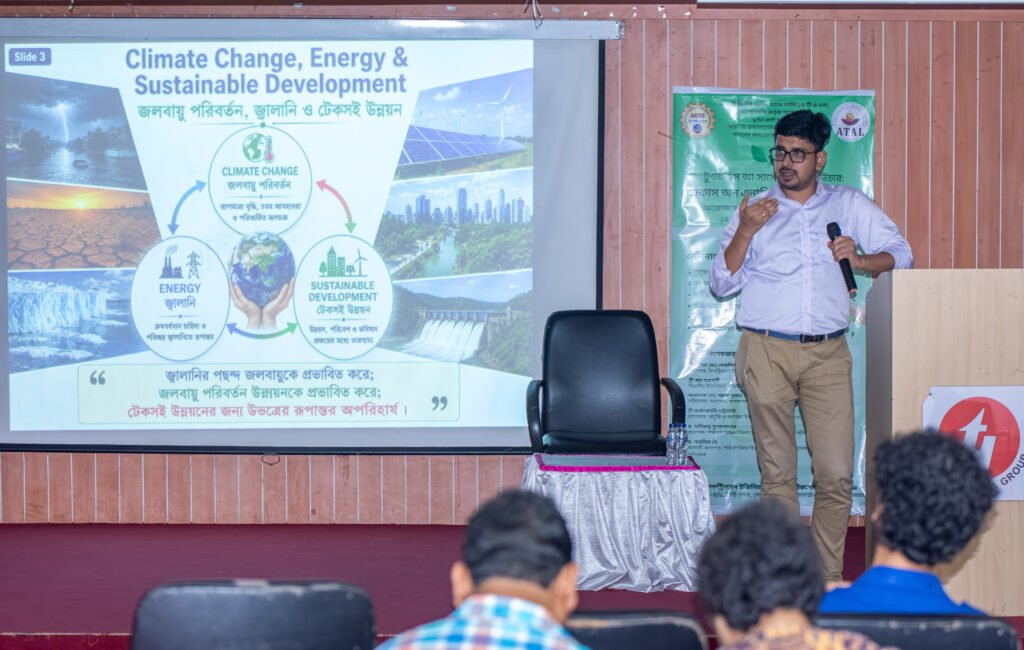
Kolkata, September 2026: The Department of Electrical Engineering, Techno Main Salt Lake (TMSL), successfully organised a two-day seminar titled “Towards a Sustainable Future: Focus on Energy and Climate Change” on 15–16 September 2026 under the Vibrant Advocacy for Advancement and Nurturing of Indian Languages (VAANI) initiative of the AICTE Training and Learning (ATAL) Academy. Conducted in Bengali, the seminar brought together experts from academia, government and industry to deliberate on climate change, renewable energy, energy efficiency, sustainable development, and the changing role of technical education.
VAANI: Taking Technical Knowledge Beyond the Language Barrier
VAANI, Vibrant Advocacy for Advancement and Nurturing of Indian Languages, is an AICTE initiative aimed at strengthening the use of Indian regional languages in technical education. Its principal objectives include promoting high standards of technical education through Indian languages and providing academicians and working professionals with a platform to exchange knowledge, experience, innovations, and inventions in emerging technological fields.
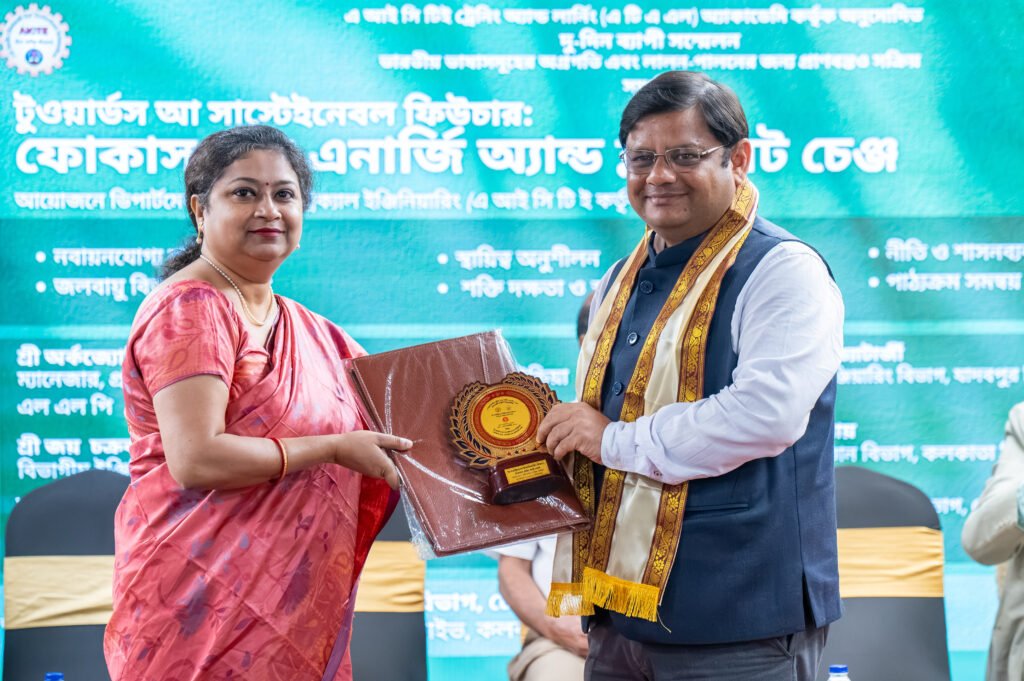
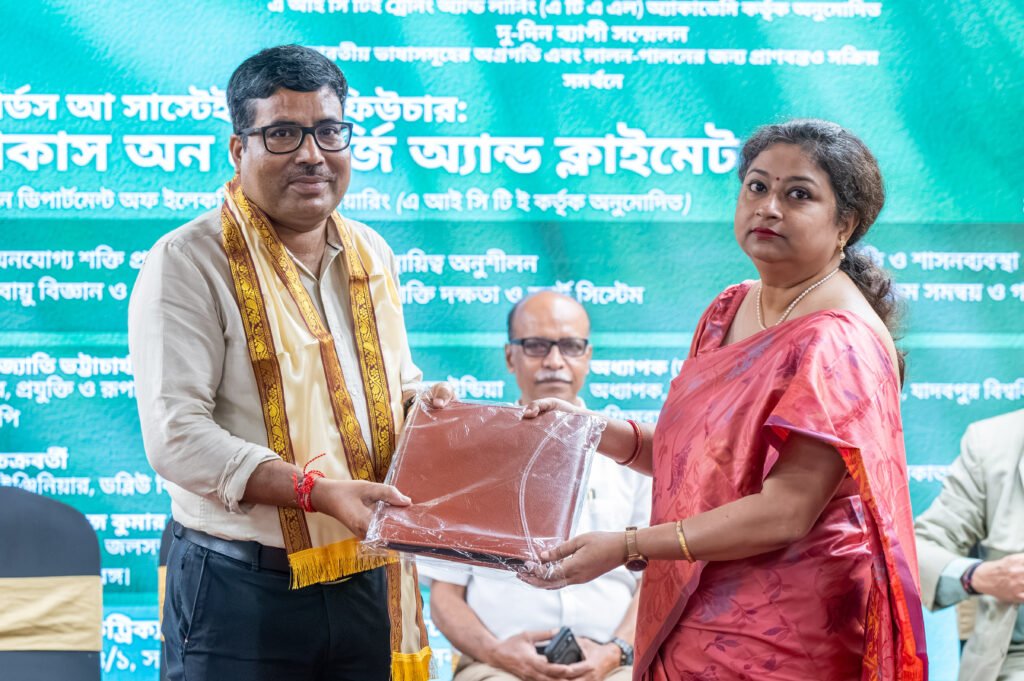
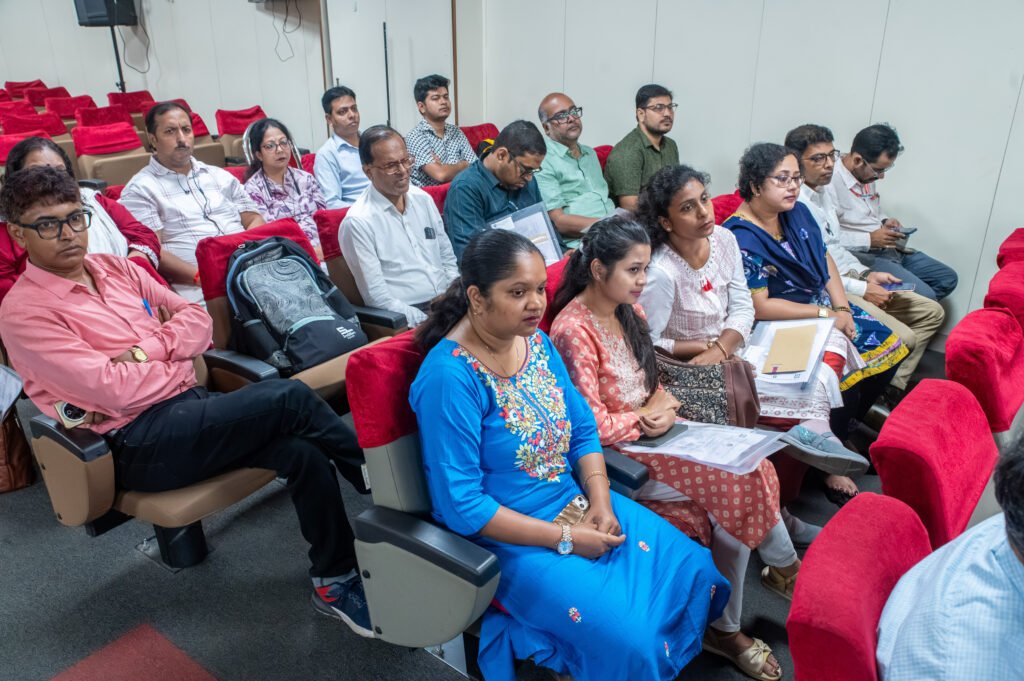
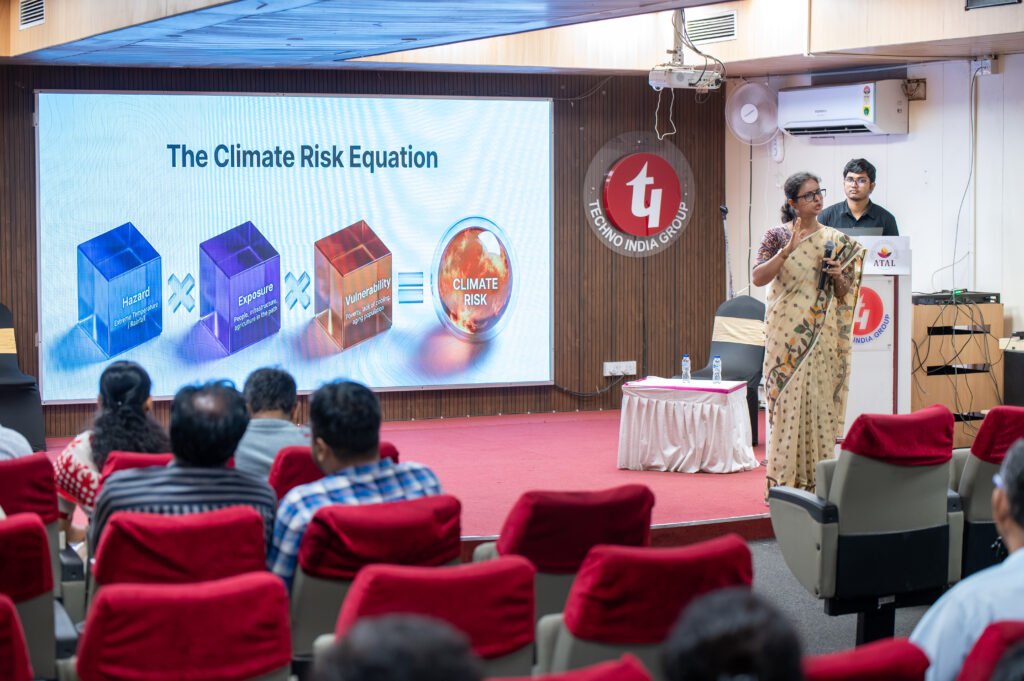
The TMSL programme reflected this philosophy by conducting discussions on contemporary scientific and engineering issues in Bengali, thereby demonstrating that advanced technical subjects can be communicated effectively through regional languages while retaining necessary scientific terminology.
The seminar was designed not merely to create awareness about climate change, but to develop a broader understanding of the relationship between climate science, energy systems, technology and sustainable development. Its objectives included developing a technical knowledge base in Bengali, strengthening understanding of sustainability principles, energy efficiency and renewable-energy technologies, exploring solutions for climate mitigation and energy transition, and encouraging sustainability-oriented research and projects.
Another important objective was to help educators integrate sustainability into teaching practices, curriculum design and research, while familiarising participants with major frameworks such as the United Nations Sustainable Development Goals (SDGs), the Paris Agreement and national energy and climate policies.
Inauguration and Special Address
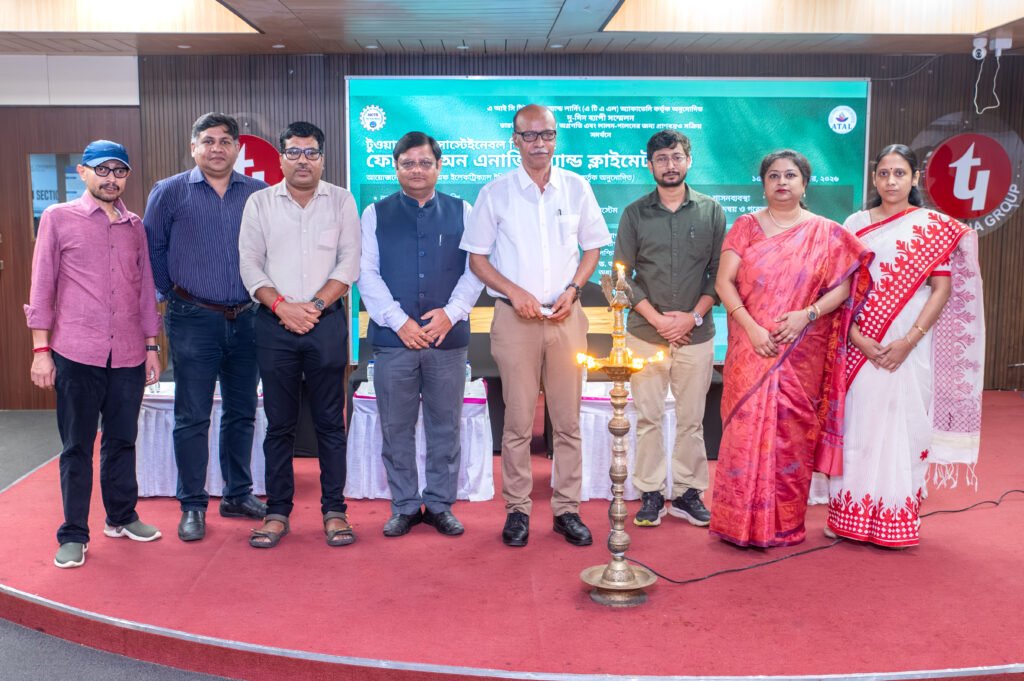
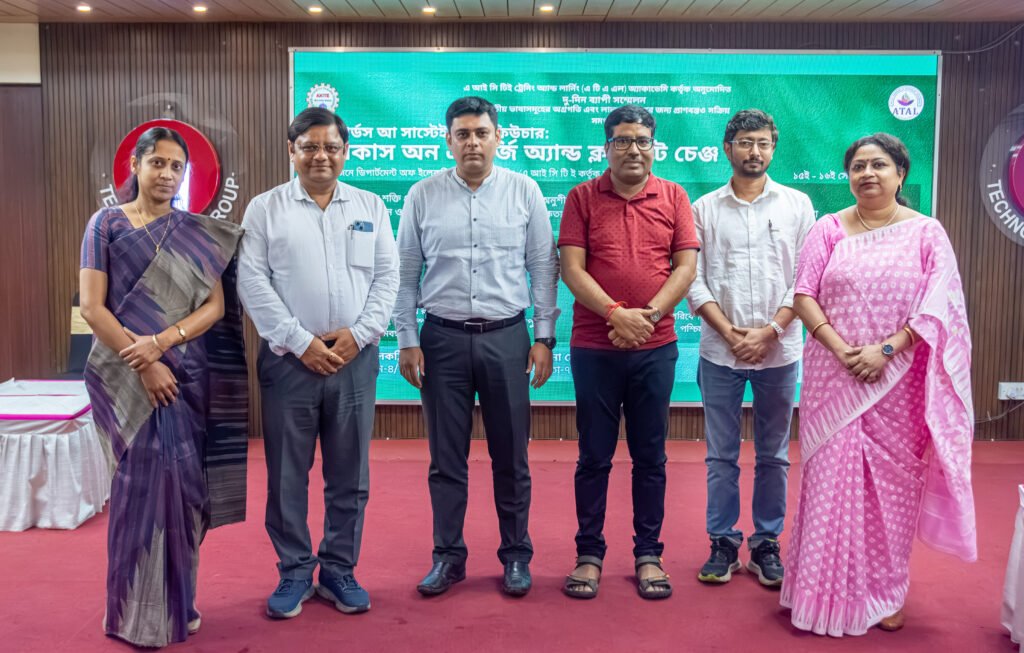
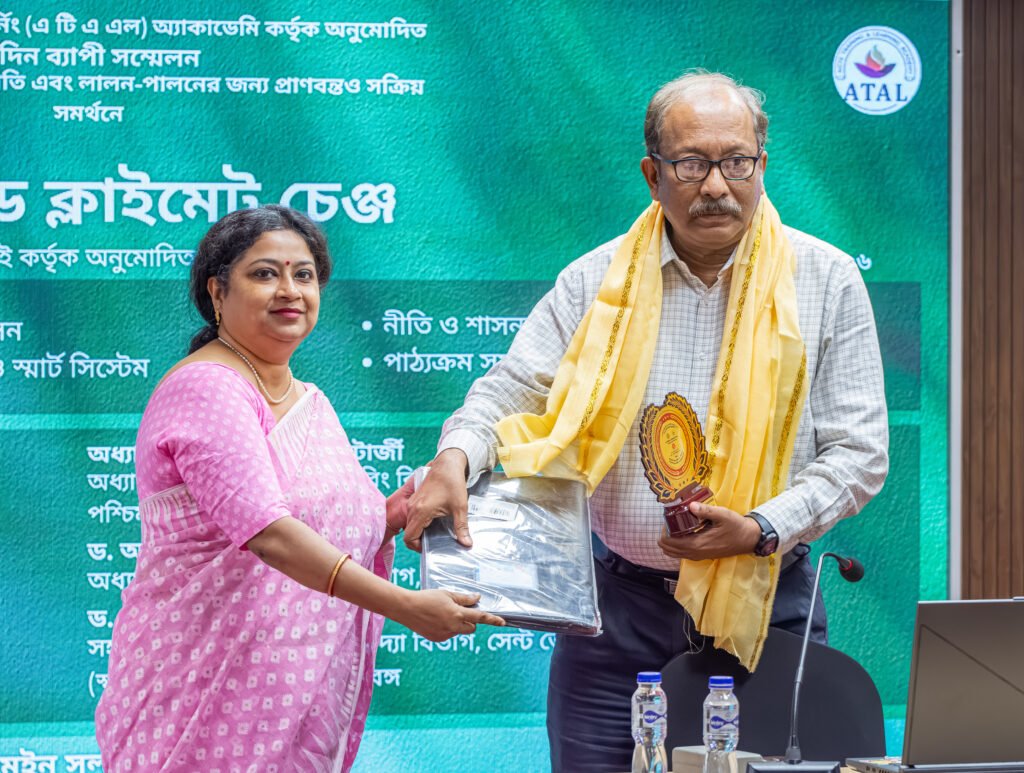
The inaugural programme was graced by Prof. (Dr.) Dharmadas Mandal, Dean of Academics, TMSL, Prof. Soumitra Sasmal, Registrar, TMSL and Prof. (Dr.) Sujoy Biswas, CEO, Techno India Group.
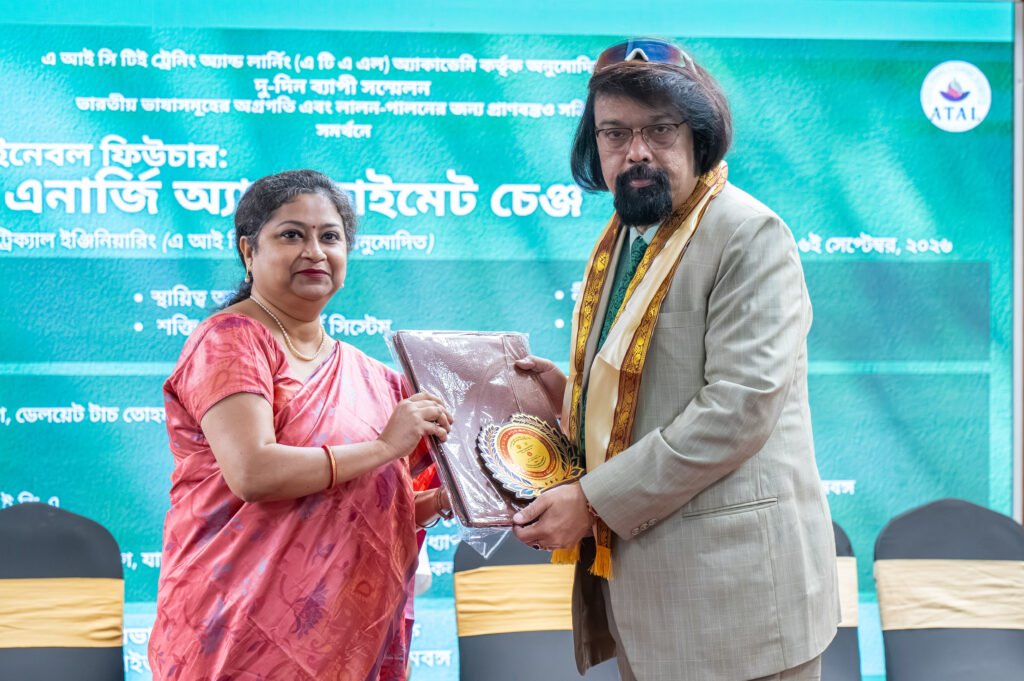
Nataraj Dasgupta attended the programme as the Special Chief Guest and delivered his views on climate change, adding a broader perspective on the importance of climate awareness and scientific communication in society.
Mr. Dasgupta has had a distinguished career spanning science communication, museum development, curation and public engagement with science. A Mechanical Engineer with a Master’s degree in Science Communication, he has served as Director, North East Zone, National Council of Science Museums (NCSM); Director, Central Research and Training Laboratory; and Director, Creative Museum Designers. His contributions include the conceptualisation and development of numerous science centres, museum galleries and exhibitions, including the Foucault’s Pendulum at the New Parliament and the West Bengal Legislative Assembly Museum. He currently works as a consultant curatorial expert with Creative Museum Designers.
Six Expert Sessions Connecting Climate, Energy and Sustainability
The academic programme comprised six expert sessions over two days, carefully structured to approach sustainability from environmental, technological, policy, industrial and educational perspectives.
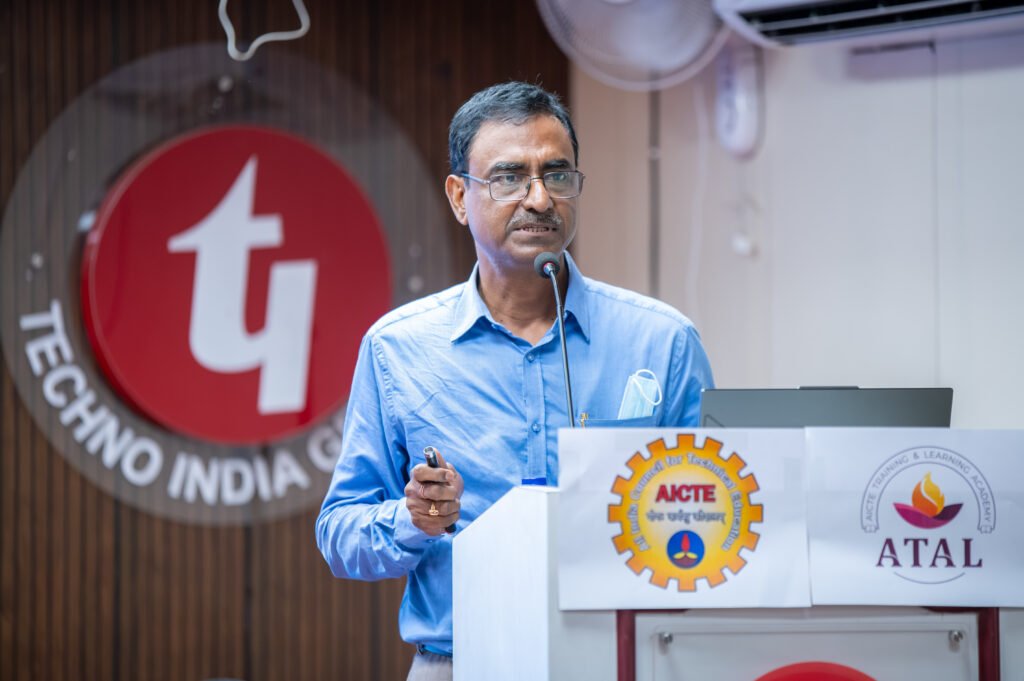
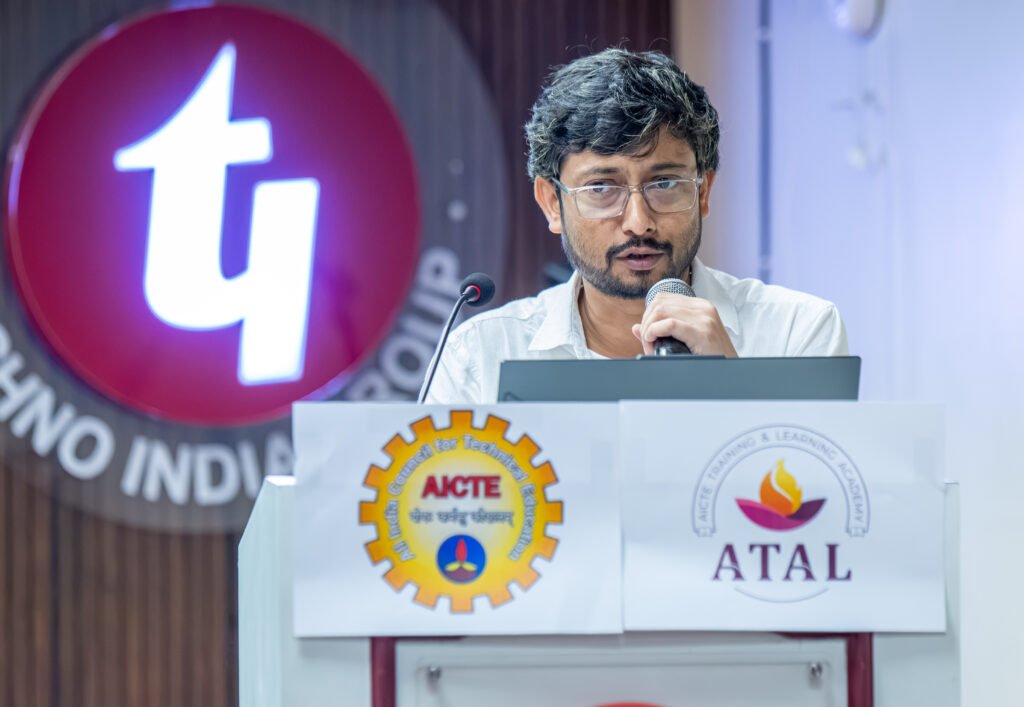
The first technical session was delivered by Dr. Sharadia Dey, Assistant Professor, Department of Environmental Studies, St. Xavier’s College (Autonomous), Kolkata, on “Integrating Climate Science, Sustainability and Human Well-being for a Resilient Future.” Her talk placed climate change within the wider framework of sustainable development, emphasising the need to balance environmental protection with economic development and human well-being. The discussion also touched upon India’s climate mitigation and adaptation initiatives, including renewable energy, energy efficiency, green hydrogen, water security and climate-resilient development.
Er. Joy Chakraborty, Divisional Engineer, WBREDA, delivered the second session on “Prospects of Renewable Energy in India and Strategic Goal to Reduce Carbon Emission.” The session offered a policy and implementation perspective on India’s transition to cleaner energy and highlighted the importance of renewable-energy deployment in reducing dependence on conventional energy resources and lowering carbon emissions.
The first day concluded with Dr. Debashis Chatterjee, Professor, Department of Electrical Engineering, Jadavpur University, who delivered a session on “Renewable Energy Technologies.” His talk strengthened the engineering and technological dimension of the programme, complementing the preceding discussions on climate science and India’s renewable-energy transition.
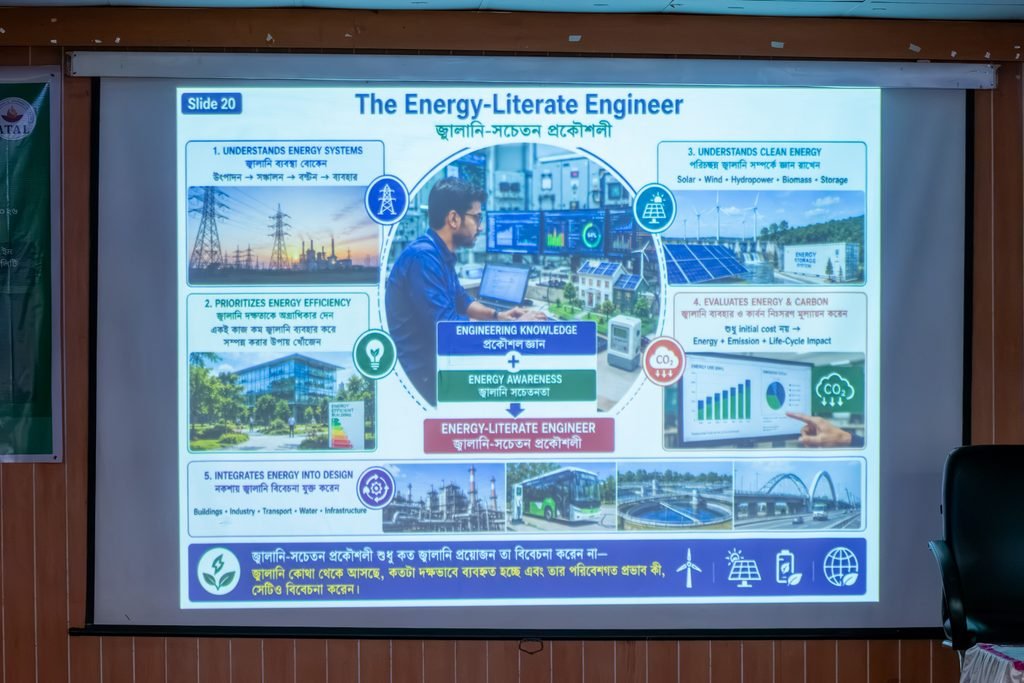
The second day began with Dr. Arkajyoti Bhattacharjee, Manager, Technology and Transformation, Deloitte Touche Tohmatsu India LLP, speaking on “Energy Efficiency and Smart Systems.” The session shifted attention from energy generation alone to the efficient and intelligent utilisation of energy, highlighting the increasing relevance of smart and digitally enabled systems in improving energy management and supporting sustainable infrastructure.
Prof. (Dr.) Pankaj Kumar Roy, Jadavpur University, through his session on “Curriculum Integration and Research in Climate and Energy Sustainability in Technical Education.” The discussion emphasised that sustainability can no longer remain peripheral to engineering education. Climate resilience, energy efficiency, resource conservation and low-carbon development increasingly need to become integral considerations in engineering curricula, design practices and research. This closely reflected the seminar’s larger objective of enabling faculty members to incorporate sustainability into teaching and research in alignment with contemporary educational needs.
The final technical session was delivered by Prof. (Dr.) Aniruddha Mukhopadhyay, Department of Environmental Science, University of Calcutta, on “Inspired by Nature: For Climate; For Our Future.” The session broadened the discussion beyond technology by drawing attention to natural systems and the relationship between human development, environmental balance, and climate action.
From Knowledge to Sustainable Action
Taken together, the sessions created a coherent journey—from understanding climate science and its impact, through the transition towards renewable and efficient energy systems, to examining how sustainability should influence technology, research and the education of future engineers. The programme thereby treated climate change not simply as an environmental issue, but as a multidisciplinary challenge requiring contributions from engineering, science, industry, policy and education.
The seminar also sought to encourage participants to pursue research and projects in clean energy, climate adaptation, sustainable urban development and circular economy, while building collaboration among sustainability-oriented educators and researchers.
The programme was coordinated by Dr. Jayanti Sarker (Bhattacharjee), with Dr. Nilanjan Patra serving as Co-Coordinator from the Department of Electrical Engineering, Techno Main Salt Lake.
The two-day VAANI seminar ultimately carried a message extending beyond the individual technical sessions: a sustainable future requires not only technological innovation, but also wider access to knowledge and education capable of connecting science with society. By discussing contemporary issues of energy and climate change in Bengali, the programme demonstrated how Indian languages can play an important role in making technical knowledge more inclusive, accessible and socially relevant.
# #TMSL # # # # # # # #TechnoMainSaltLake