
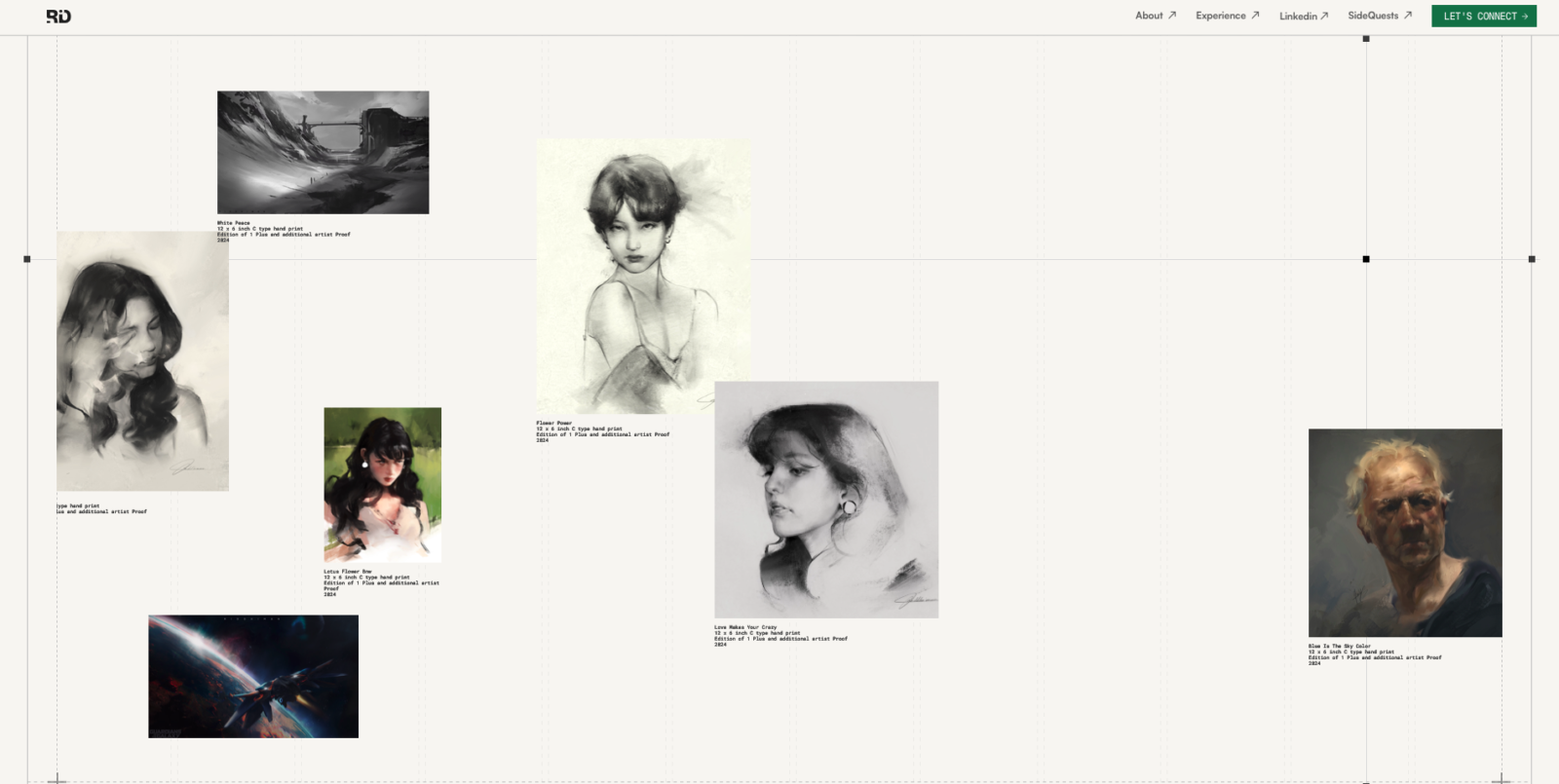
What began as a personal creative showcase has now reached a global audience. Riddhiman Paul, a third-year Product Design student from the Kolkata campus of École Intuit Lab × Techno India University, has been recognised internationally as his portfolio website was featured and trended on Muzli, a leading design inspiration platform.
Muzli curates outstanding work from designers, studios, and creative technologists worldwide, spotlighting projects that stand out for clarity, originality, and thoughtful execution. Riddhiman’s portfolio appeared alongside internationally recognized design work—an early testament to his ability to engage with global design standards during his academic journey.
His portfolio presents a refined narrative of his design practice, featuring projects developed during his time at École Intuit Lab × Techno India University. The work reflects a strong foundation in systems thinking, user-centered design, and practical problem-solving—key pillars of contemporary product design education.
Having gained experience across startups and design agencies, Riddhiman brings professional insight into his academic projects. His design approach is strongly influenced by Swiss design principles, evident in the structured layouts, disciplined typography, and emphasis on clarity that define his portfolio’s visual language.
Beyond product design, Riddhiman is an art enthusiast and part-time artist who continues to explore new creative skills alongside his studies. This balance between structure and experimentation lends a distinctive personal voice to his work, helping it stand out on a global platform.
This achievement reflects the spirit of École Intuit Lab × Techno India University, where students are encouraged to live design as a practice rather than treat it as a subject. Through hands-on projects, constant experimentation, and exposure to real industry expectations, students build work that goes beyond assignments and speaks with intent.
Riddhiman’s recognition of Muzli is more than an individual milestone—it signals a growing culture of creative confidence and global relevance taking shape within the institution. As more student work enters international conversations, it reinforces a powerful idea: when young designers are given the freedom to explore, question, and build with purpose, their work doesn’t wait for validation—it earns it.