
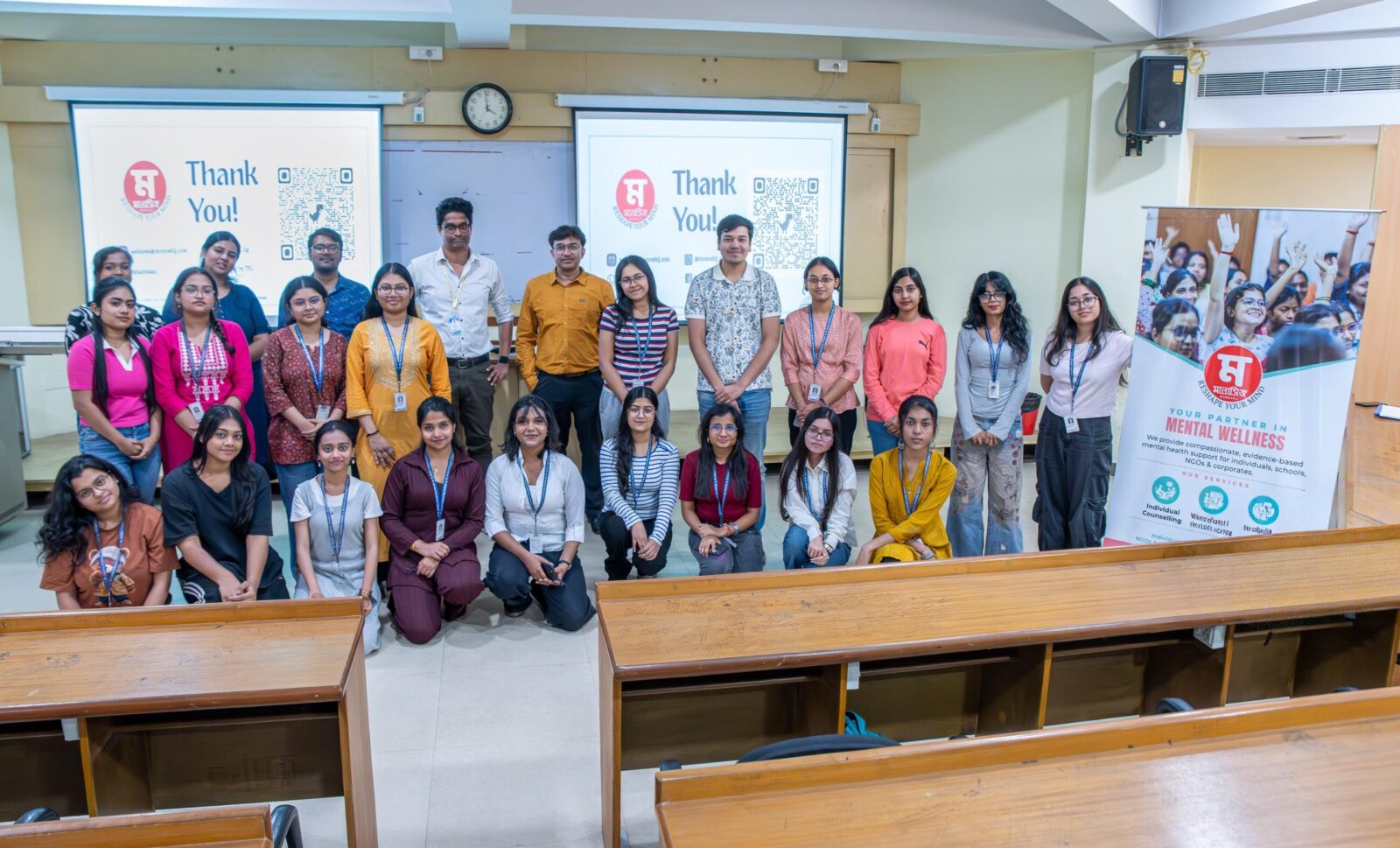
On February 27, 2026, In a world where a thumb rarely rests and silence is quickly filled by a glowing screen, Monoshij brought a timely and insightful conversation to the Literature students of St. Xavier’s University, New Town.
Monoshij, the mental health initiative founded by Prof. Manoshi RoyChowdhury, Co-Chairperson of Techno India Group, conducted an insightful seminar titled “Scrolling. Numbing. Avoiding — What Are We Running From?”What began as a discussion soon evolved into something deeper: an honest, collective reflection on the invisible emotional patterns that shape our digital lives.
The session did not begin with statistics or warnings. Instead, it began with a simple, disarming question: When you scroll endlessly, what are you trying not to feel?
For many students, the question lingered. Together, they explored how social media — often seen as connection — can quietly become avoidance. The conversation unpacked dissociation, emotional numbing, and the subtle habit of postponing discomfort through distraction. Students reflected on how endless scrolling can steal hours unnoticed, leaving behind a strange mix of exhaustion and emptiness.
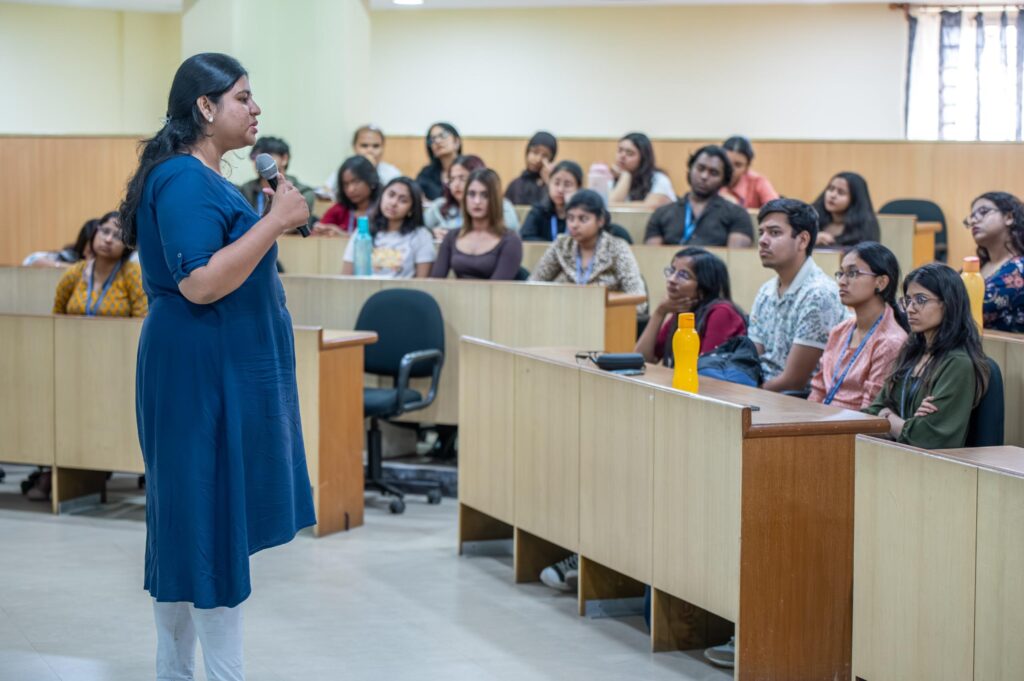
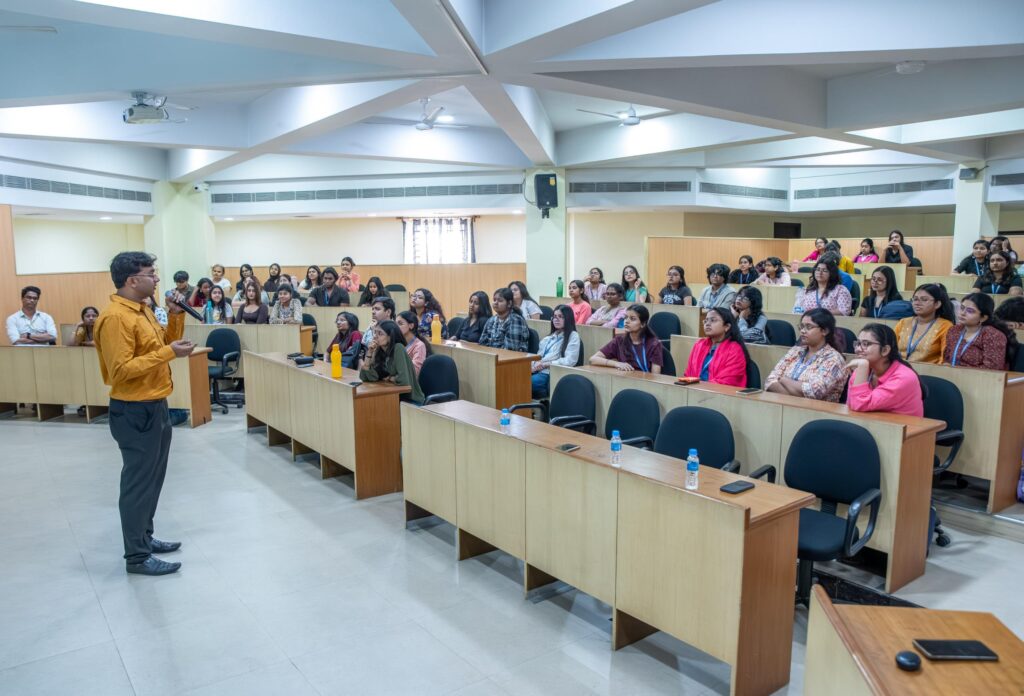
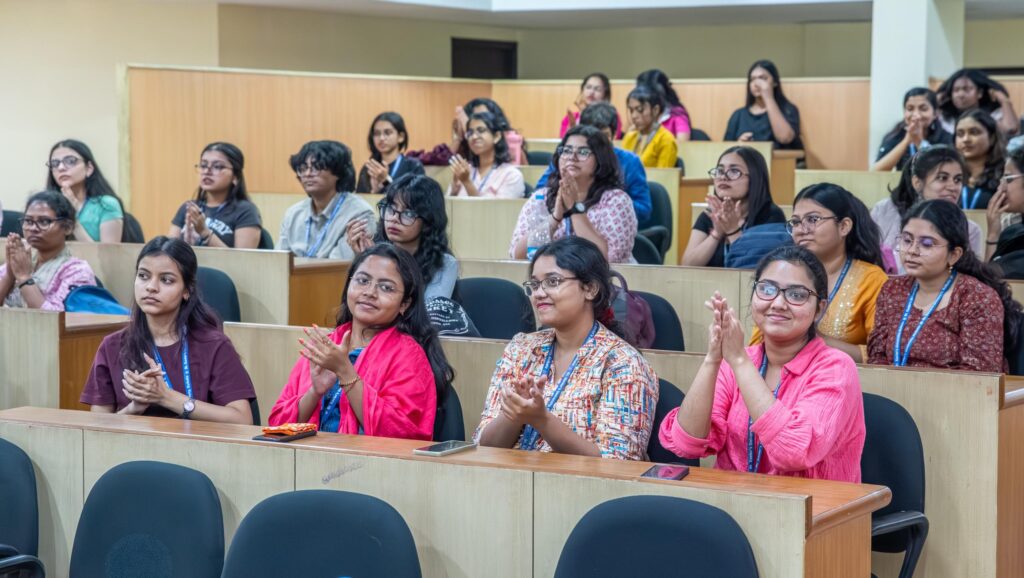
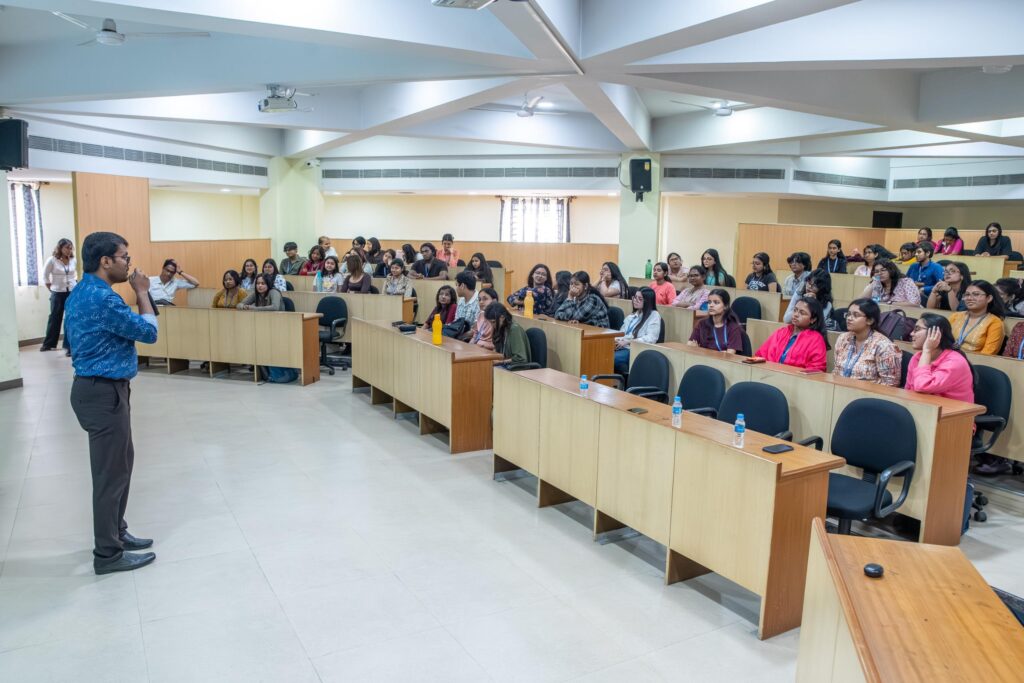
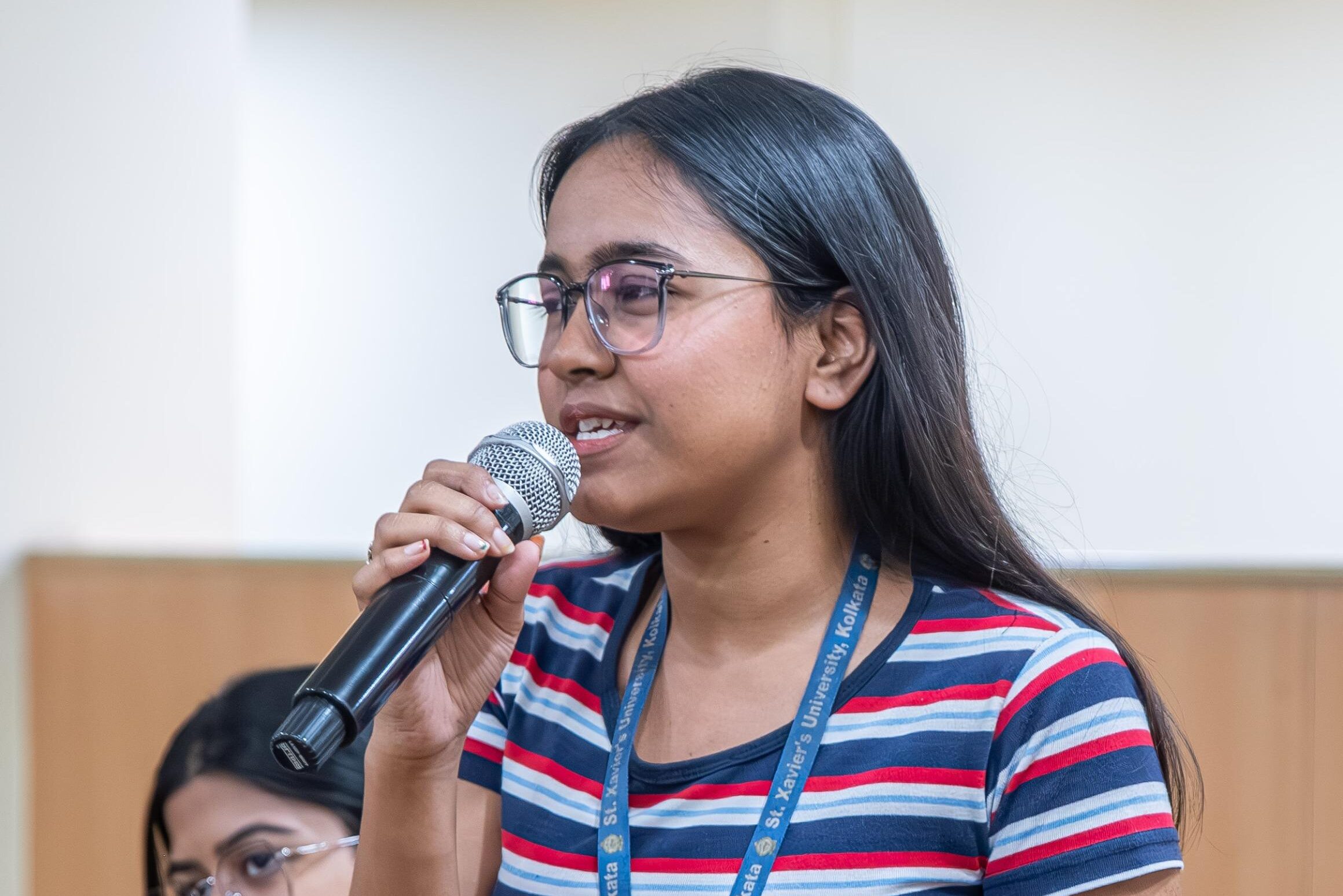
What made the seminar powerful was not just the subject, but the atmosphere. Students responded with openness and courage, sharing observations about procrastination, comparison, loneliness, and the quiet pressure to remain constantly “plugged in.”
The workshop was jointly facilitated by Devdeep Roy Chowdhury, Clinical Psychologist; Sritama Ghosh, Counselling Psychologist; and Sayan Bhador, AGM Marketings. Their interdisciplinary approach blended clinical insight with relatable, real-world examples.
Participants were introduced to the psychology behind persuasive digital design — infinite scroll, variable rewards, and dopamine-driven feedback loops. The facilitators explained how platforms are structured to activate the brain’s “wanting” system, gradually shifting from seeking pleasure to seeking relief.
Students explored concepts such as the “Wall of Awful,” where avoidance compounds over time, and the loneliness paradox — the phenomenon where increased online engagement can intensify feelings of isolation. The discussion also touched upon how excessive digital stimulation can impair the prefrontal cortex, contributing to decision fatigue and cognitive fog.
Yet, the seminar was not about alarm — it was about awareness. A central theme of the session was neuroplasticity: the brain’s remarkable ability to rewire and reshape itself. Students left not with guilt, but with practical and compassionate strategies to reclaim attention, regulate emotions, and rebuild intentional habits.
Small shifts — mindful pauses, digital boundaries, emotional check-ins — were framed not as rigid rules, but as acts of self-respect.
Through this seminar, Monoshij reaffirmed its commitment to nurturing mental well-being through dialogue, education, and community connection. In an age defined by constant connectivity, the initiative continues to create spaces where young minds can pause, reflect, and reconnect — not just with the world, but with themselves.
Because sometimes, the most important question is not what we are scrolling toward — but what we might be running from.