
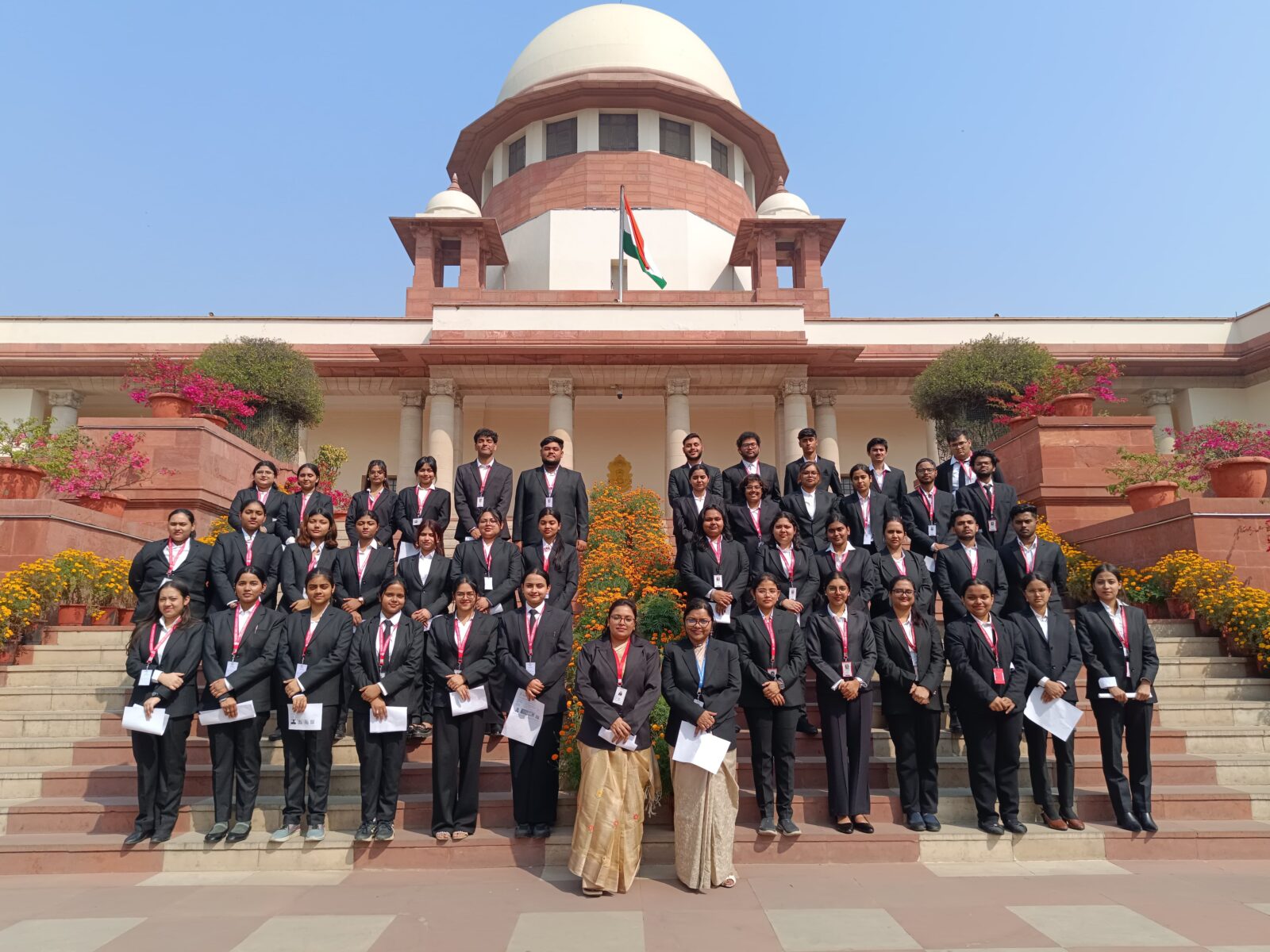
The Department of Law at Techno India University recently organized an enriching educational tour to Delhi and Agra, offering 42 students a unique opportunity to experience India’s premier legal institutions and historic landmarks firsthand. The tour was accompanied and guided by Assistant Professors Sreeparna Chakraborty and Rituparna Mullick, ensuring a well-coordinated and academically insightful journey.
Academic Exposure at India’s Apex Legal Institutions
The academic segment of the tour began at the Supreme Court of India, the highest judicial authority in the country. Students observed live court proceedings and witnessed constitutional litigation in action. This immersive experience enabled them to understand courtroom procedures, judicial reasoning, and the practical application of constitutional principles beyond textbook learning.
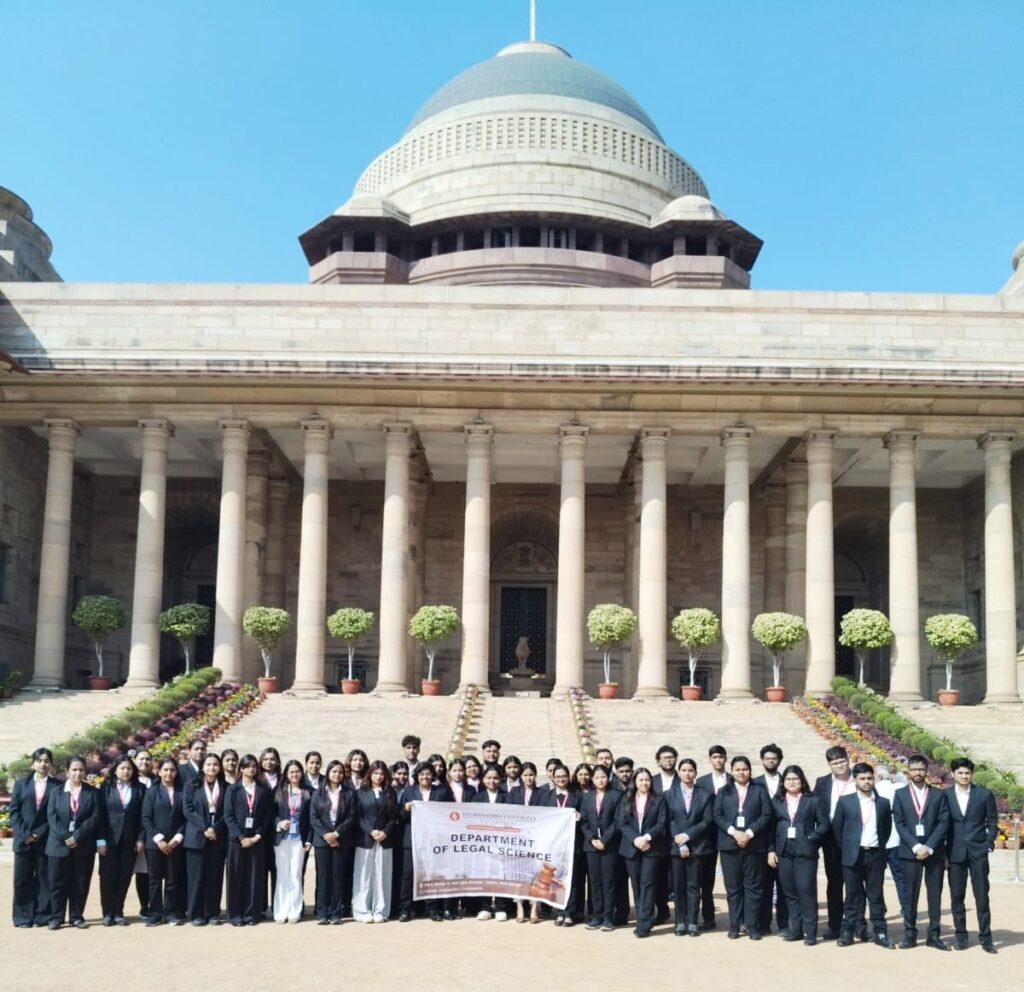
The group also visited Rashtrapati Bhavan, the official residence of the President of India. The architectural grandeur of the estate, combined with its constitutional importance, offered students deeper insights into the executive framework of the Indian government and the ceremonial role of the President in the democratic structure.
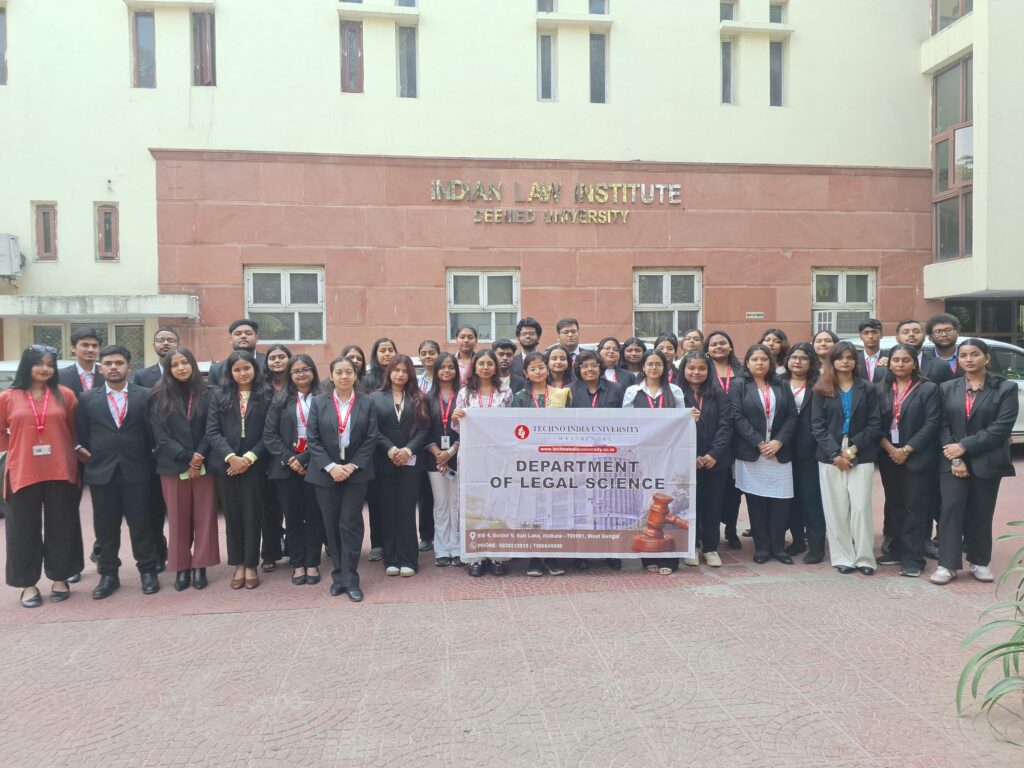
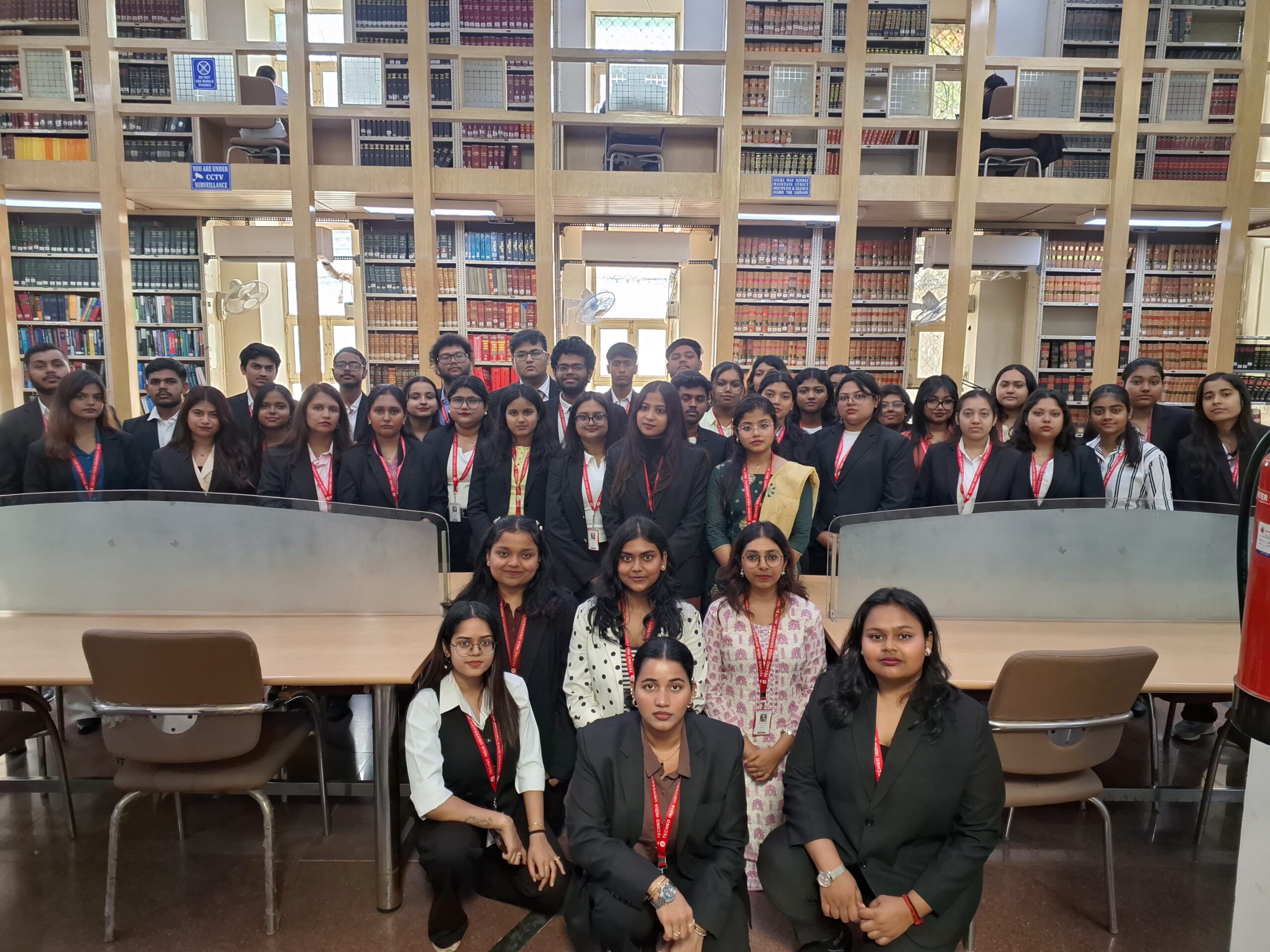
At the Indian Law Institute, students were introduced to advanced legal research methodologies and academic resources. The visit highlighted the importance of scholarly research, policy studies, and publications in shaping contemporary legal systems. It encouraged students to explore research-oriented and academic career pathways within the legal domain.
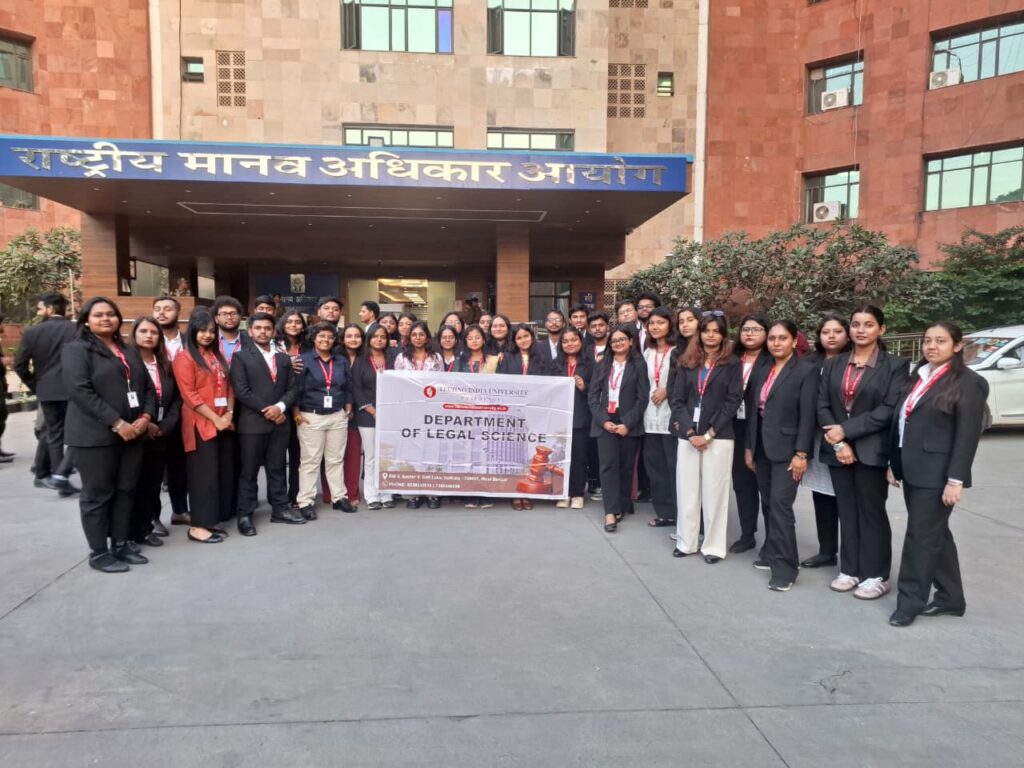
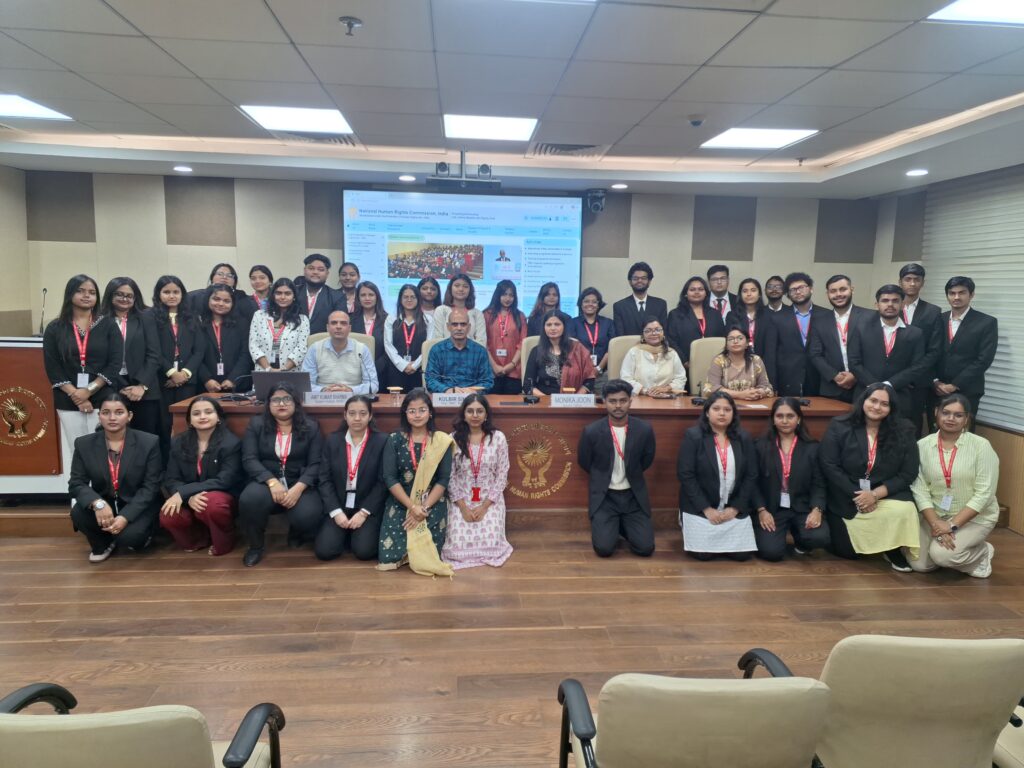
A meaningful interaction took place at the National Human Rights Commission, where students learned about institutional mechanisms dedicated to the protection and promotion of human rights in India. Discussions focused on grievance redressal systems, inquiry procedures, and accountability in cases of rights violations—reinforcing the vital connection between legal education and social justice.
Exploring India’s Historical and Cultural Legacy
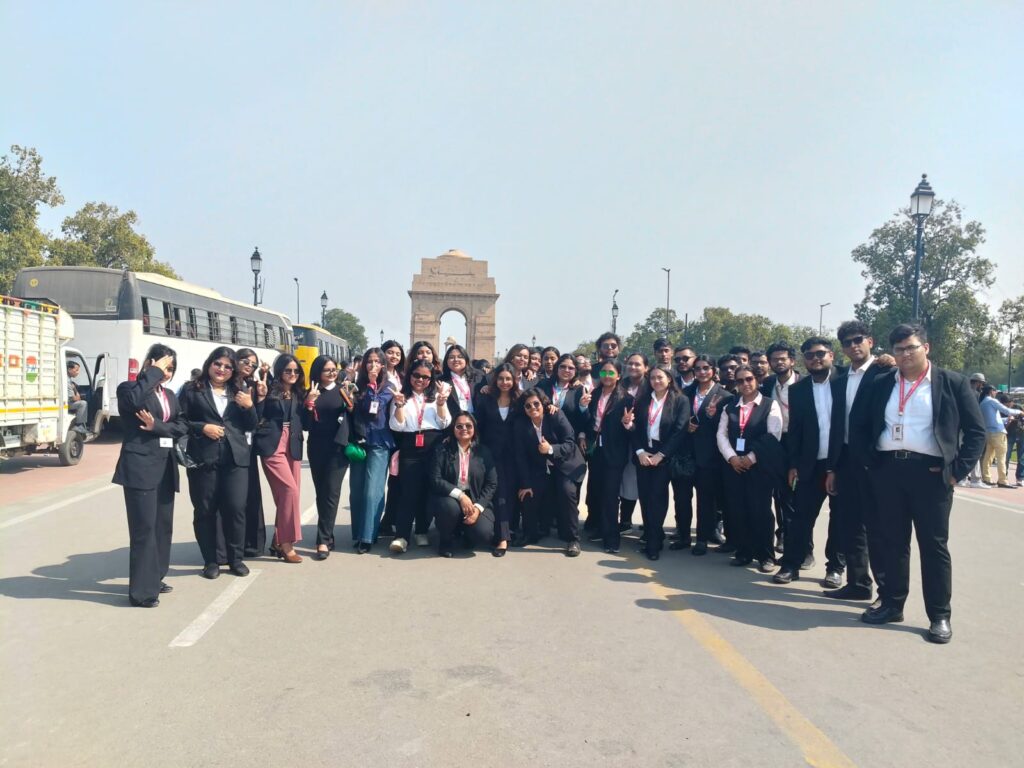
Beyond academic institutions, the tour also allowed students to explore some of India’s most iconic historical landmarks. The majestic Red Fort reflected the grandeur of Mughal architecture and its association with India’s freedom movement. At India Gate, students paid tribute to the brave soldiers who sacrificed their lives for the nation.
The towering Qutub Minar offered a glimpse into early Indo-Islamic architectural brilliance, while the spiritual serenity of Jama Masjid highlighted India’s rich cultural and religious diversity.
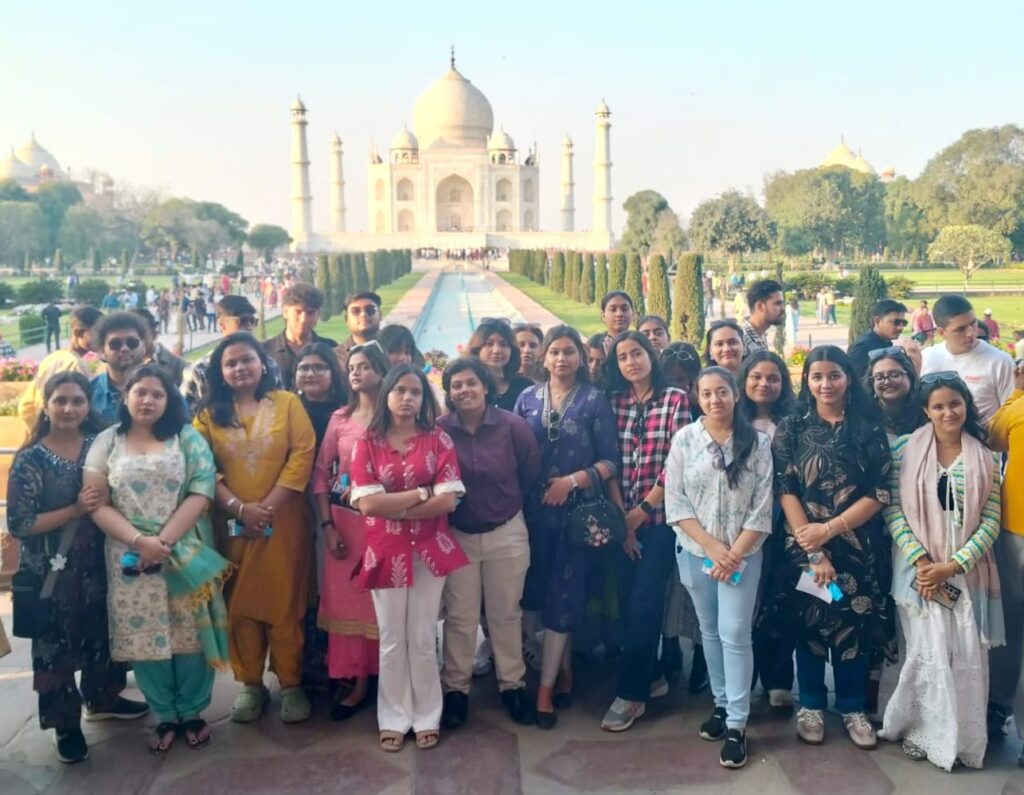
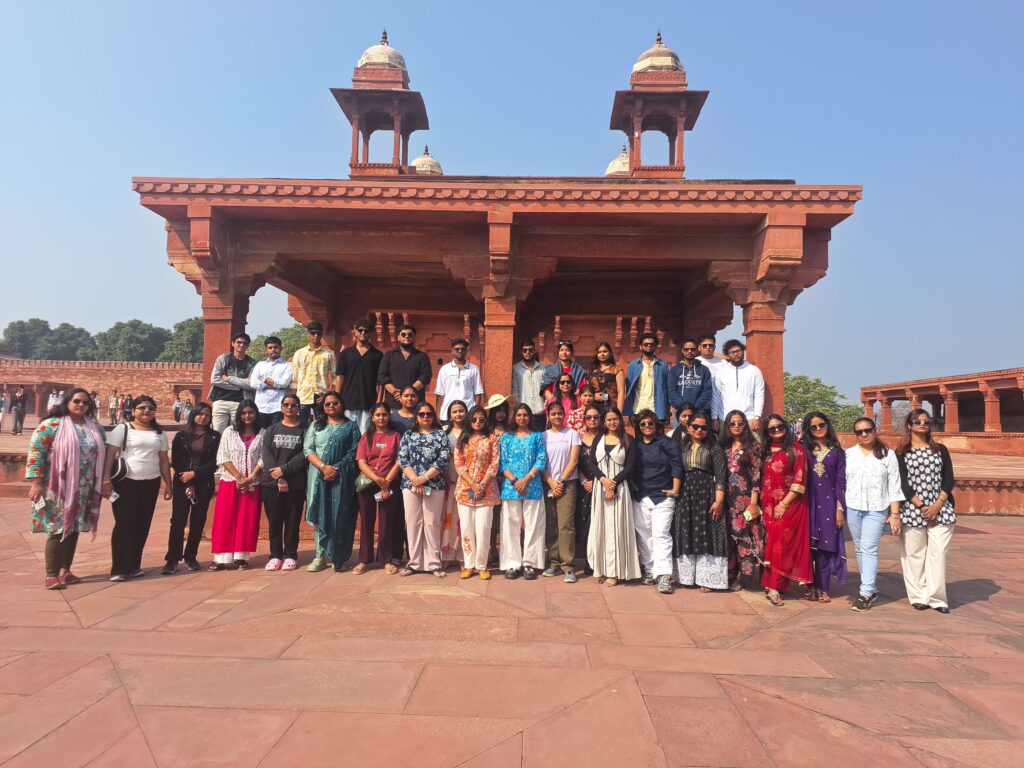
The Agra segment of the journey was equally memorable. The world-renowned Taj Mahal left students awestruck with its timeless beauty and historical significance. The visit to Fatehpur Sikri, the historic city built by Emperor Akbar, further showcased the excellence of Mughal urban planning and architectural mastery.
A Step Toward Holistic Legal Education
Under the dedicated guidance of Assistant Professors Sreeparna Chakraborty and Rituparna Mullick, the tour successfully bridged theoretical legal knowledge with practical exposure. It not only strengthened students’ academic understanding but also fostered cultural awareness, civic responsibility, and national pride.
Such initiatives reflect the Department of Law’s commitment to holistic education and experiential learning, ensuring that students grow not only as competent legal professionals but also as socially aware and culturally enriched citizens.