
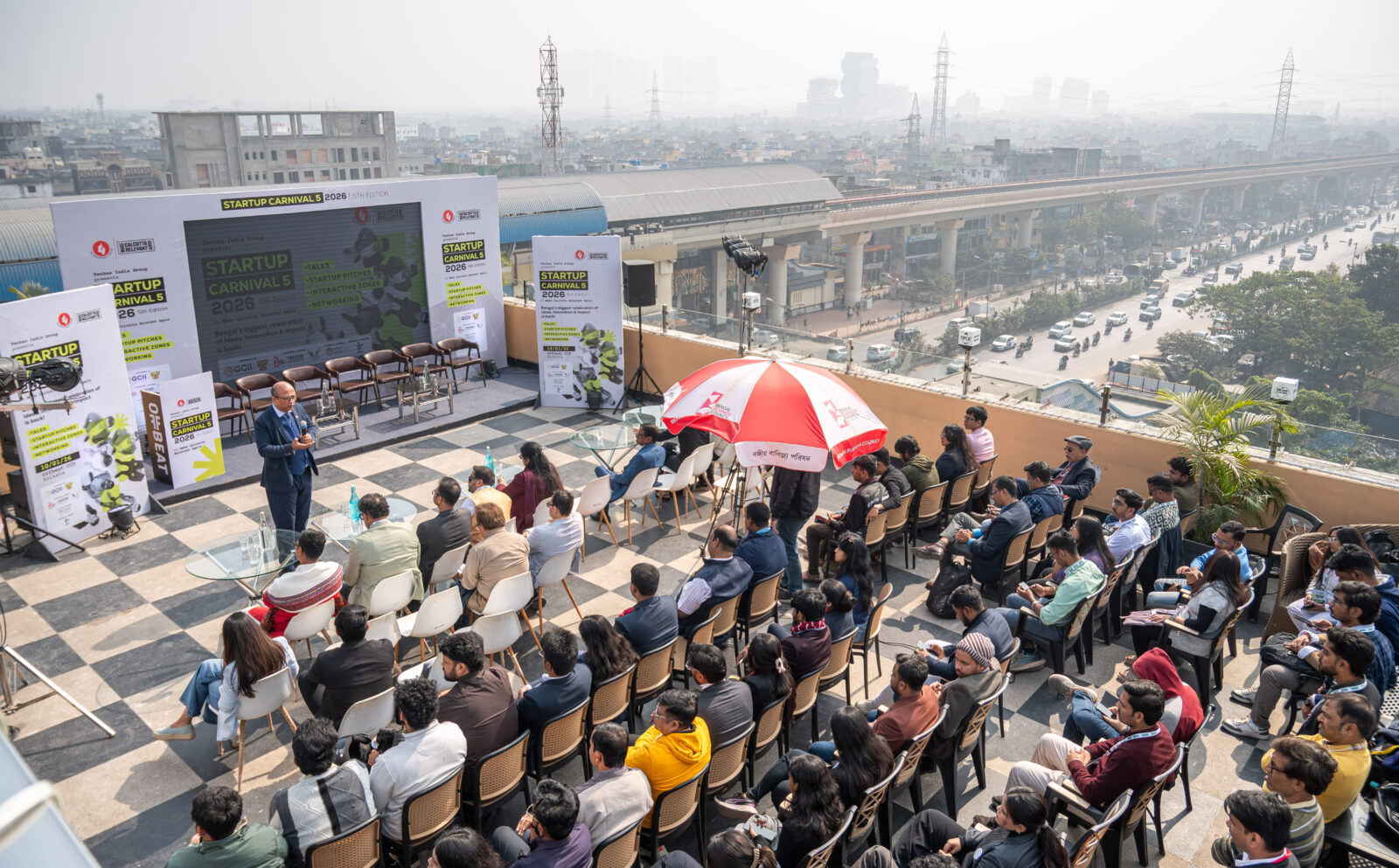
On a January morning in Calcutta, the conversations felt unhurried but intentional. People weren’t rushing between sessions or chasing soundbites. Instead, they stayed—listening, questioning, and engaging. On 10 January 2026, Startup Carnival 5, presented by Techno India Group, returned to Offbeat CCU with a theme that felt both ambitious and deeply local: to Make Calcutta Relevant Again.
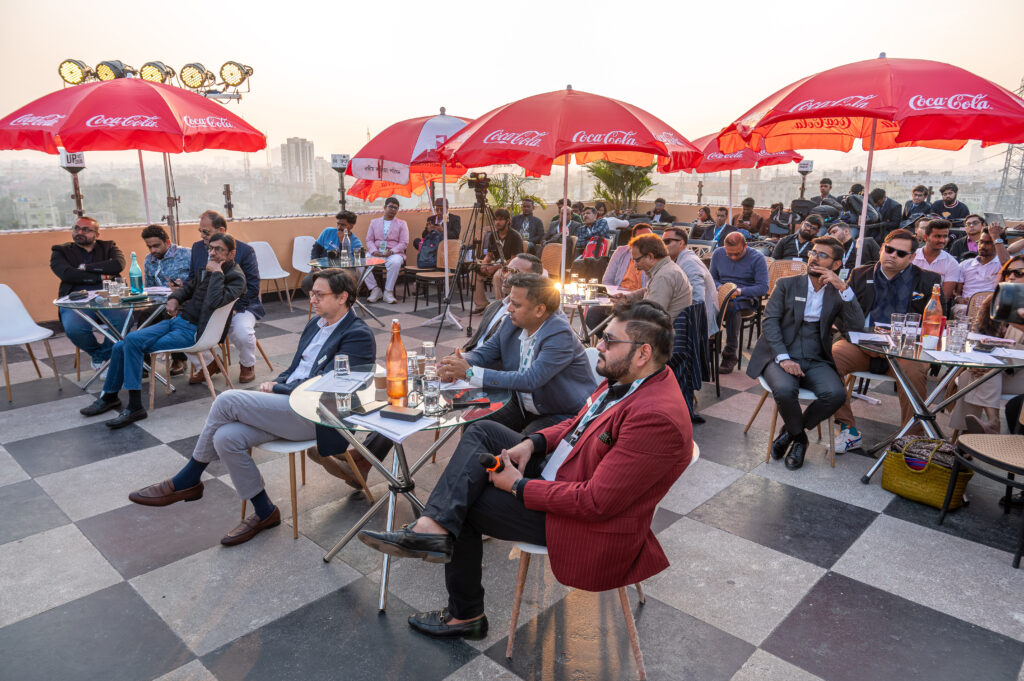
What unfolded over the course of the day was a chance to reflect on what entrepreneurship in Bengal can look like when it is rooted in purpose, culture, responsibility, and long-term thinking. Supported by GCII and Foodka, and strengthened by ecosystem partners including the Bengal Business Council, Pointers Business Forum, and WealthApp, the carnival brought together founders, students, investors, policymakers, educators, and operators under one roof. ASMi Business School joined as the B-school partner, with D2C Insider supporting as the community partner.
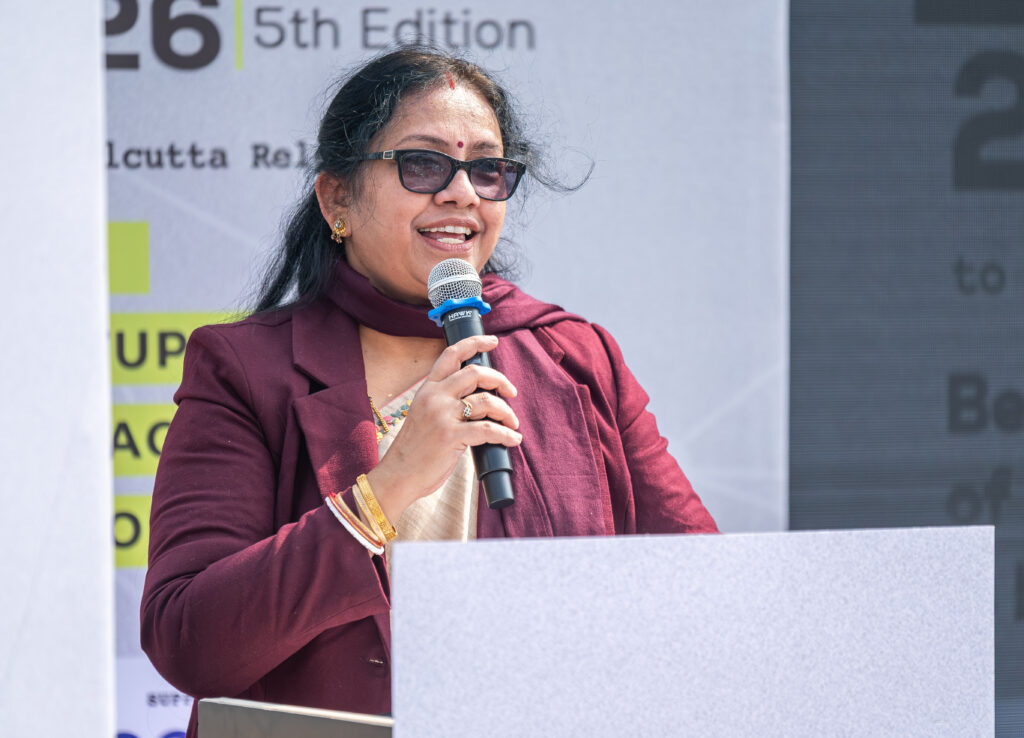

The day began at 11:00 AM with a warm and reflective welcome address by Prof. Manoshi Roy Chowdhury, Co-Chairperson of Techno India Group and Co-Chancellor of Techno India University. Rather than framing Startup Carnival as a one-off event, she spoke of it as a continuing movement—one that asks founders to look beyond valuation, funding, and speed. “This is a movement to Make Calcutta Relevant Again, not as nostalgia, but as a living, breathing powerhouse of enterprise and imagination. A startup does not succeed because of valuation, funding, or speed alone; it succeeds because of purpose, when it solves real problems, uplifts communities, creates jobs, dignity, and opportunities, and when innovation meets empathy.”

That sense of realism carried into the keynote address by Sanjay Kumar Das, WBCS (Executive), Additional Secretary, Science and Technology, Government of West Bengal. Speaking on Policy as a Partner: Leveraging Government Support in the Startup Ecosystem in West Bengal, he unpacked what government support can—and should—look like in practice. From access to state-supported data centres and AI infrastructure to reduced operational costs for startups, he outlined opportunities already in place. At the same time, he issued a clear and timely reminder: the biggest challenge ahead for startups is no longer funding, but compliance. “With the Digital Personal Data Protection Act in place, founders must understand that careless data practices can end their journey. Policy can act as a true partner only when startups match opportunity with responsibility.”

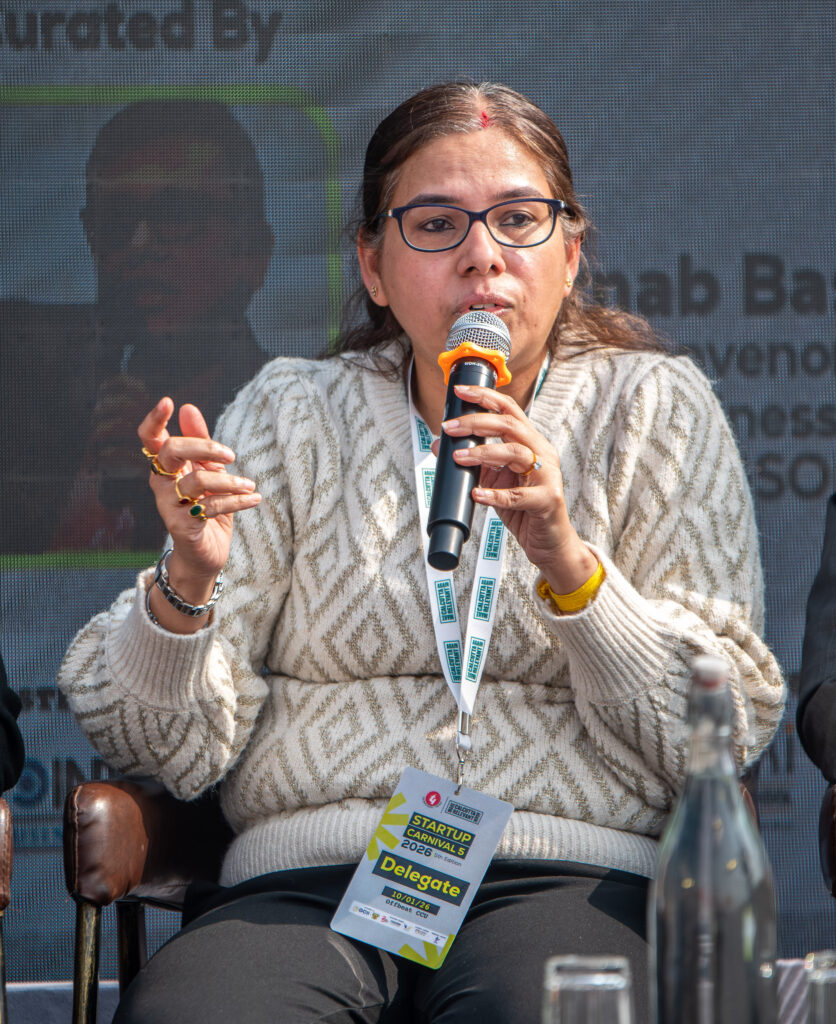
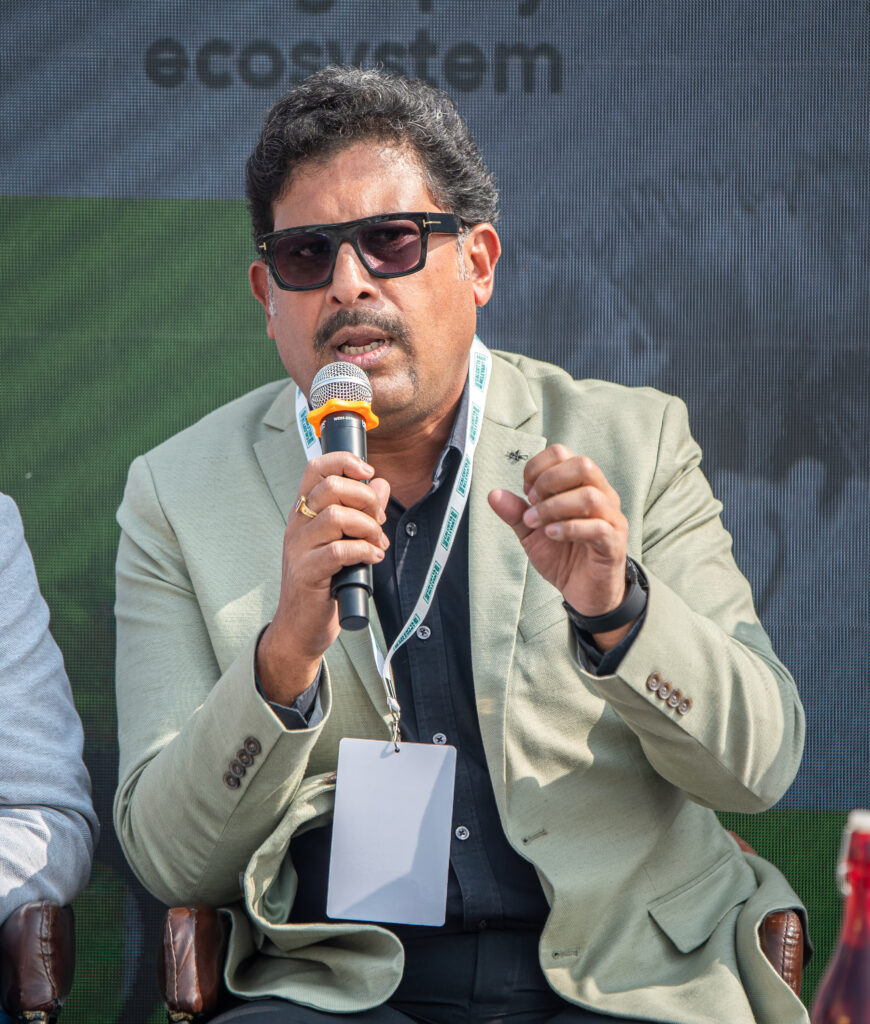
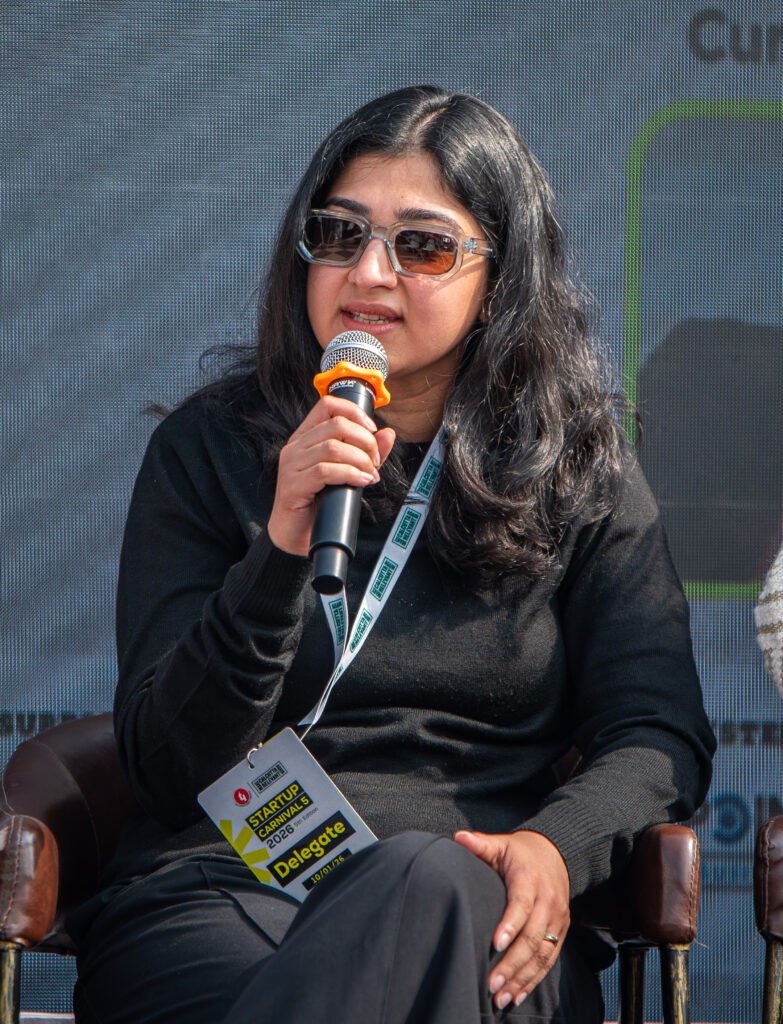
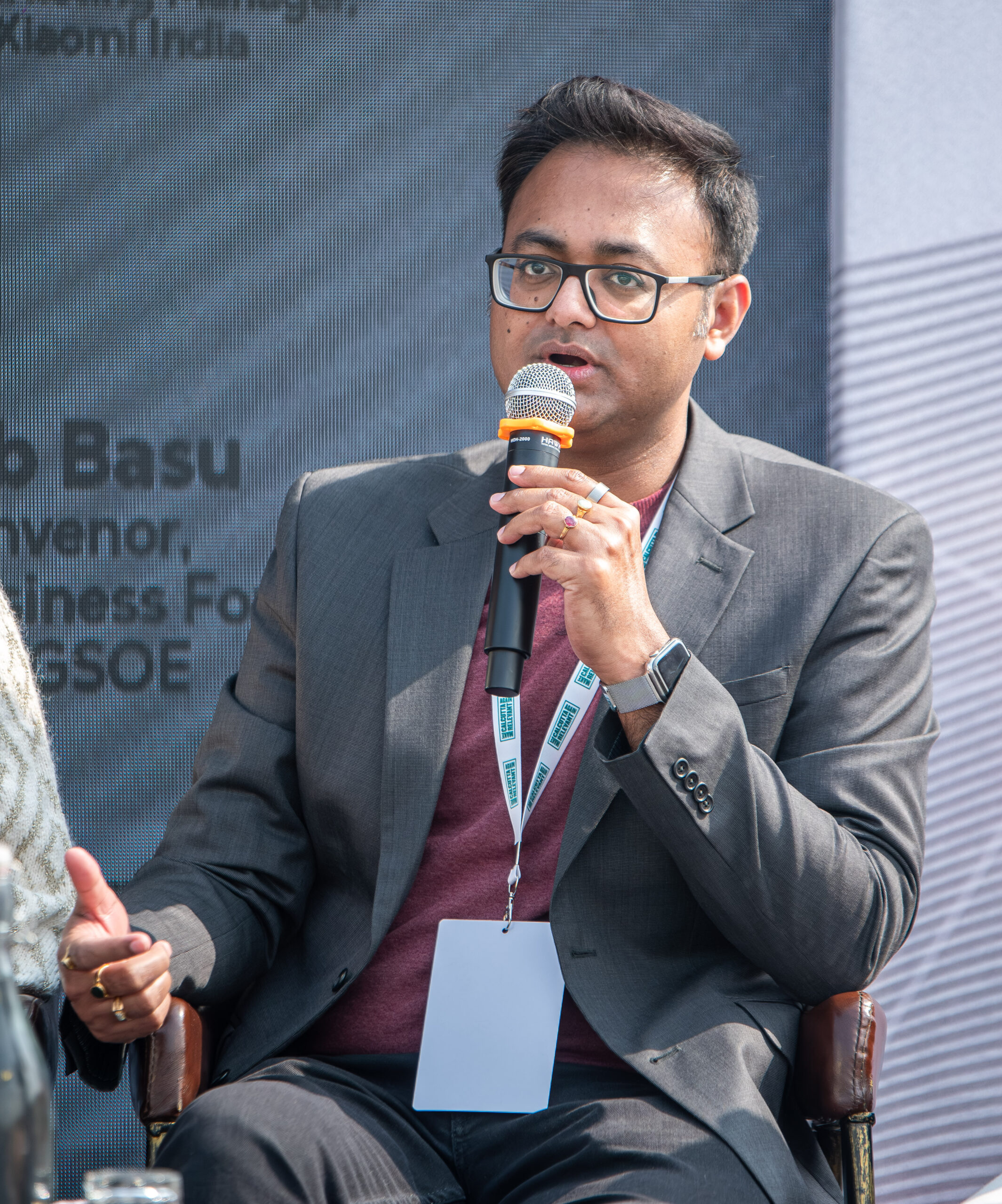
The first panel of the day turned the spotlight to one of Bengal’s most powerful—and often underestimated—economic engines. “The ₹70,000 Crore Opportunity: Durga Pujo & the Bengal Startup Ecosystem” was moderated by Dr. Arnab Basu, Director-Convenor of Pointers Business Forum and Co-Founder of GSOE.
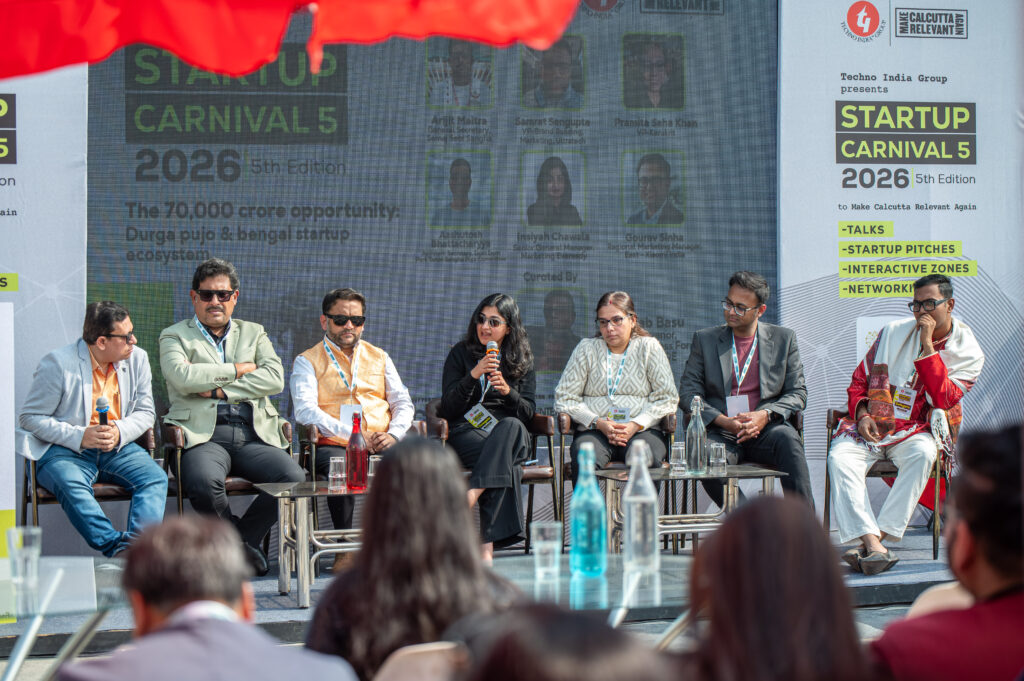
The panel brought together voices from culture, brand-building, law, and marketing, including Arijit Maitra, Samrat Sengupta, Promita Saha Khan, Aashutosh Bhattacharyya, Insiyah Chawala, and Gourav Sinha. The discussion explored Durga Pujo as more than a festival, examining it as a complex ecosystem that blends community leadership, commerce, branding, logistics, and cultural responsibility. The panel reflected on how startups can engage meaningfully with this space while respecting its deeply local roots.
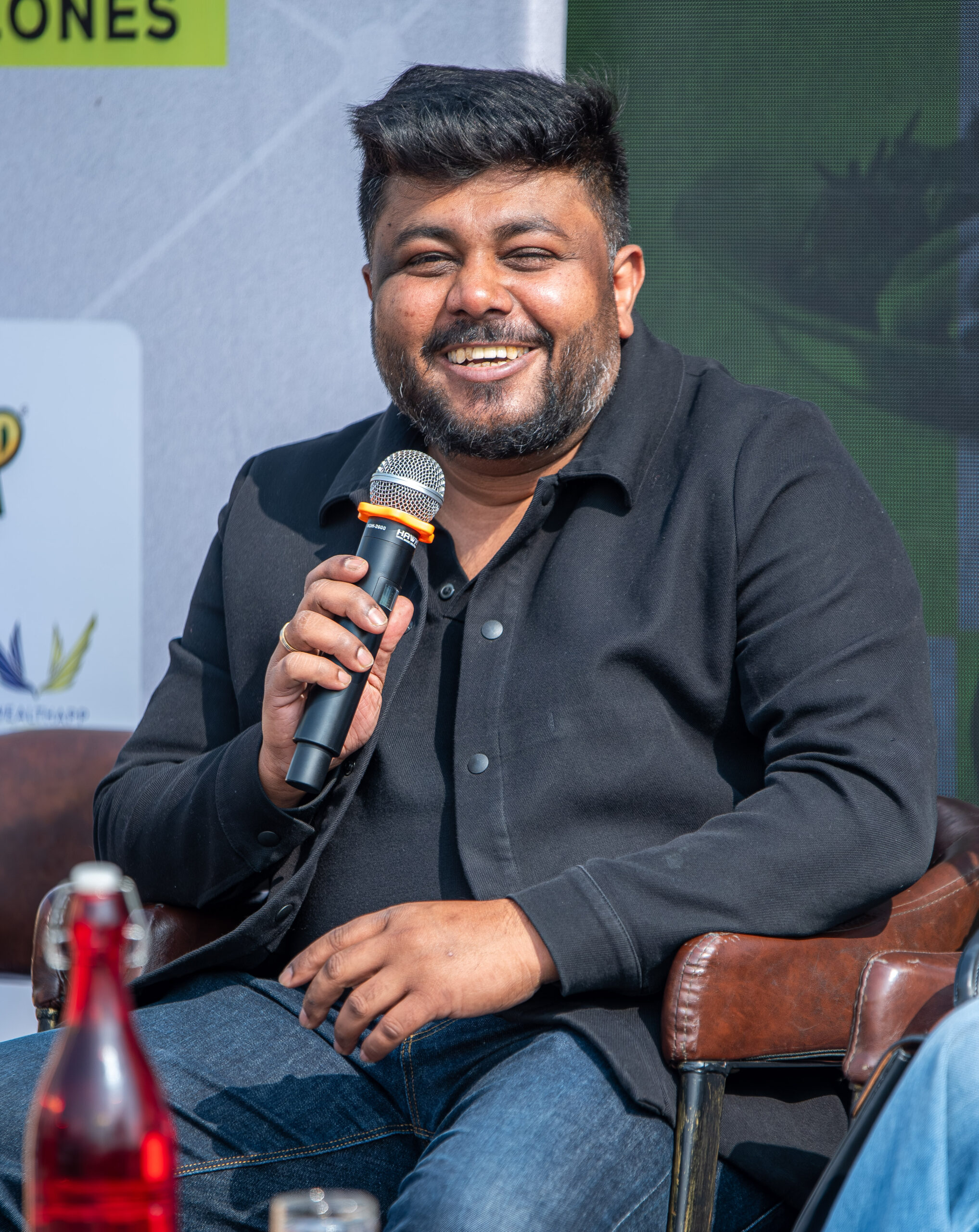

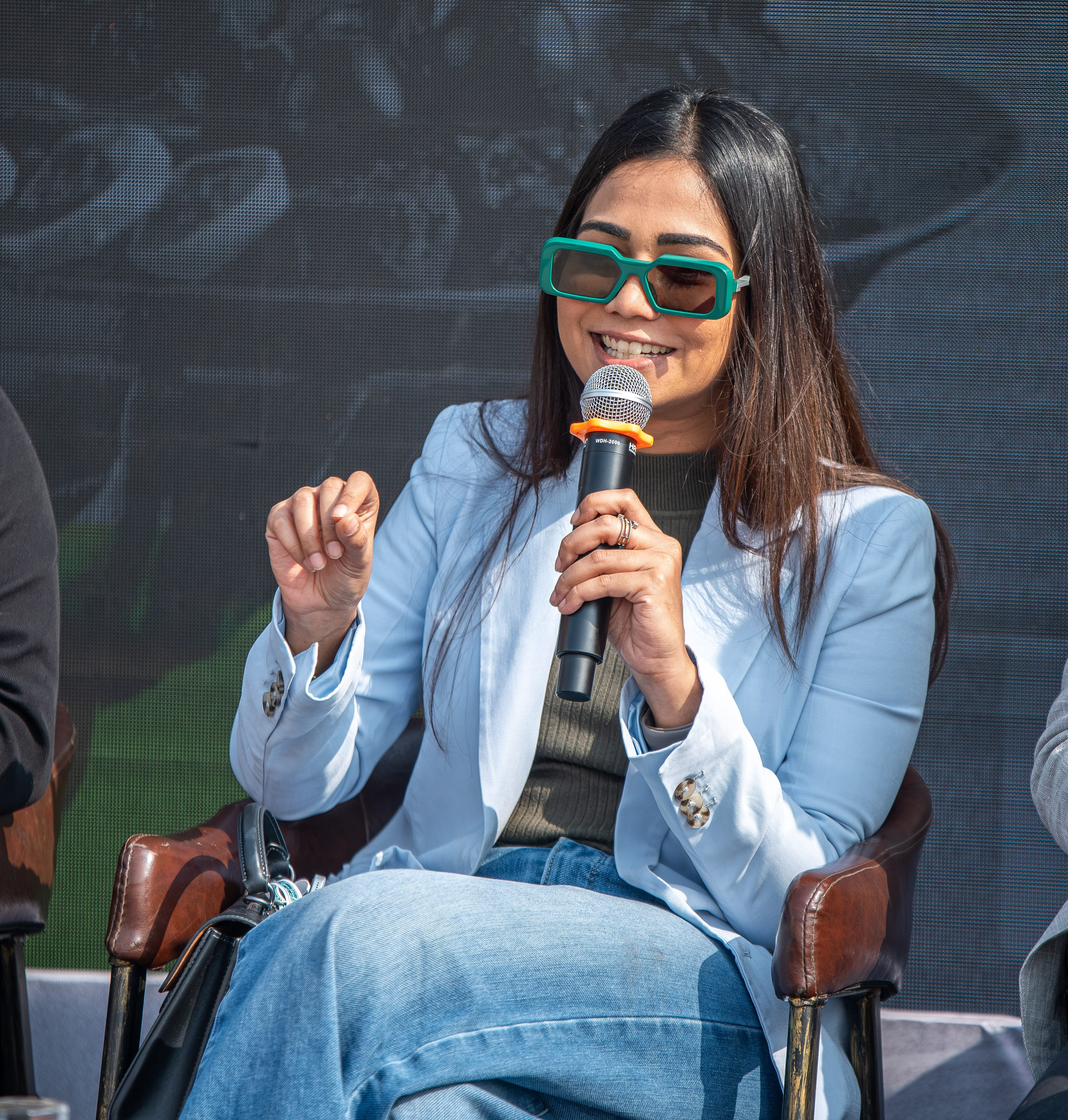
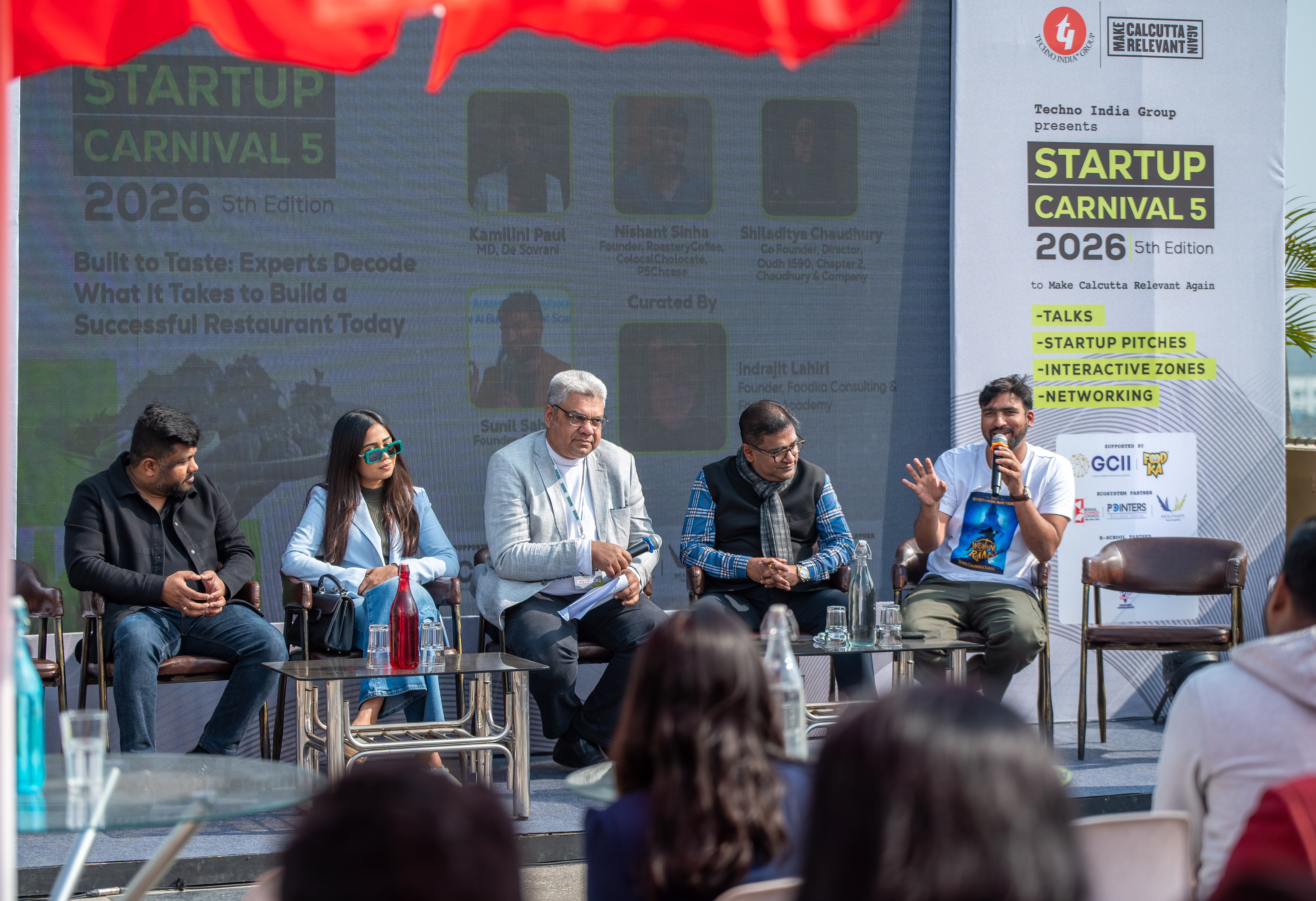
The conversation then moved to food entrepreneurship with the second panel, “Built to Taste: Experts Decode What It Takes to Build a Successful Restaurant Today,” curated and moderated by Indrajit Lahiri, Founder of Foodka Consulting & Foodka Academy. Panelists Kamalini Paul, Nishant Sinha, Shiladitya Chaudhury, and Sunil Saha spoke candidly about what often goes unseen in the restaurant business. From unit economics and supply chains to consistency, consumer trust, and long-term brand building, the panel offered a refreshingly honest look at what it really takes to sustain a food venture today.
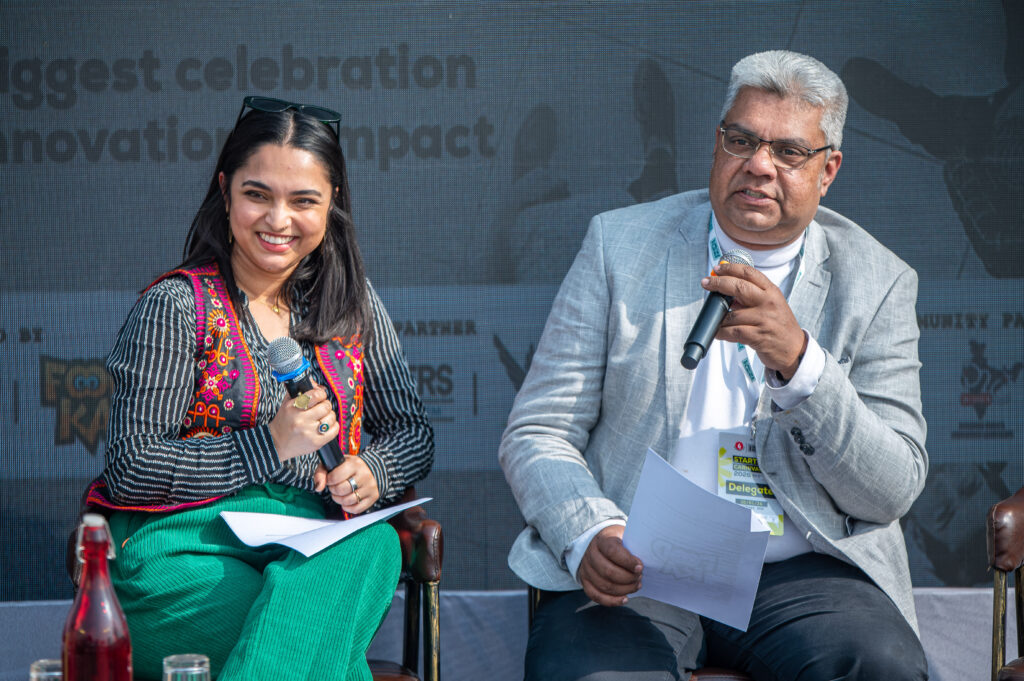
One of the most personal moments of the day came through the fireside chat between Indrajit Lahiri and Sohini Banerjee aka Smoke & Lime, Chef and Food Curator. Titled “Starting Your Own Supper Club,” the conversation moved away from scale and spotlight, focusing instead on intimacy, intent, and craft. Sohini spoke about supper clubs as deeply communal spaces, about feeding people well before thinking about branding, about respecting one’s own time and labour. “I never started out to build a brand, I just wanted to feed people well, because for me taste always comes first… You can make money from a supper club, but only if you respect your own time and understand your costs—it’s serious passion, not just something that looks good on Instagram… And that’s why I only cook food I identify with, because at the end of the day, I have to believe in what I’m serving.”
After a relaxed networking lunch at The Biryani Canteen, the energy shifted to the Startup Pitch Marathon—the most kinetic part of the day. Eighteen startups took the stage in quick succession, pitching their ideas to a panel of investors and ecosystem leaders. The session was intense but constructive, with sharp questions, honest feedback, and visible learning on both sides of the table.

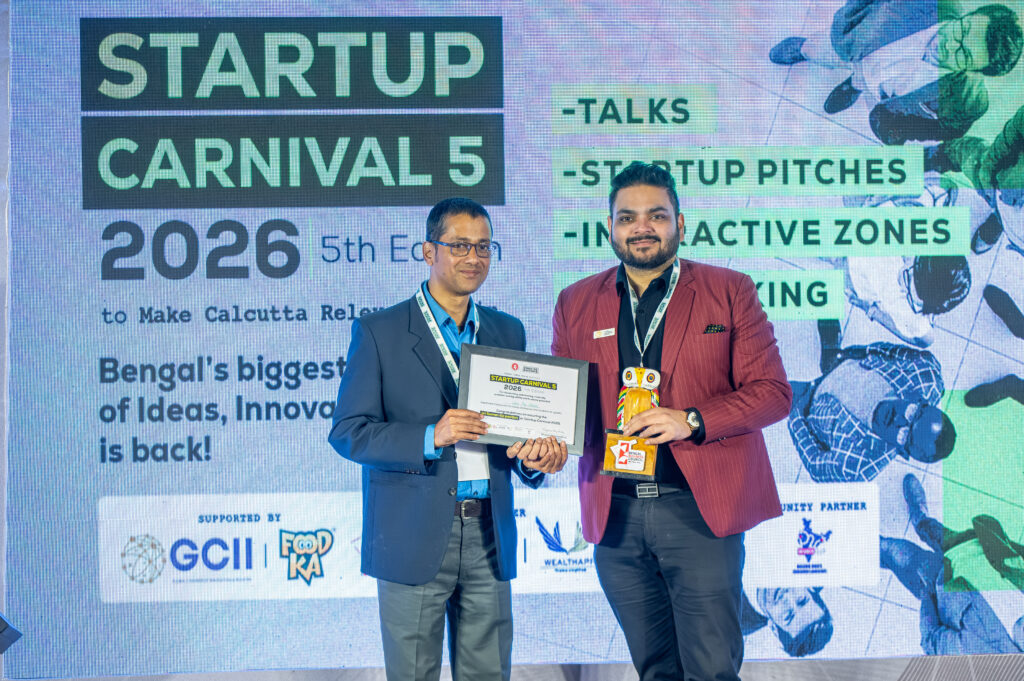

As the day came to a close, the top three startups were announced after careful evaluation. Quekey.io secured first place, followed by LovethyNature in second, and GreenMentor in third. While every pitching startup brought something valuable to the table, these three stood out for their clarity, conviction, and readiness to grow.
Startup Carnival 5 ended with momentum. It left behind conversations still in motion, connections just beginning, and a shared belief that relevance is built slowly, through consistency, collaboration, and care. In bringing together policy, culture, food, capital, and community, the Startup Carnival offered a glimpse of what Calcutta’s entrepreneurial future could be: thoughtful, rooted, and quietly ambitious.